FMC applies for registration of the herbicide rimisoxafen in Brazil
The active ingredient acts on Groups 12 and 32 and targets resistant weeds in soybeans and corn
28.09.2026 | 17:56 (UTC -3)
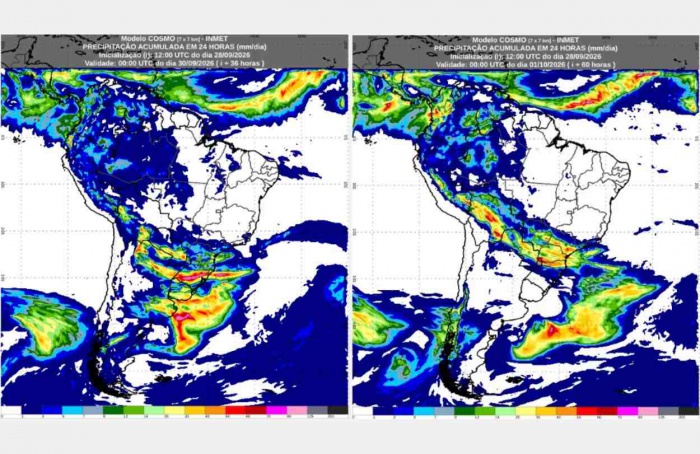
The rains favored the start of sowing and the development of the first crop of 2026/2027, including soybeans in areas where the sanitary break has already ended. At the same time, they impacted the winter crops of the 2025/2026 season at different stages of development, especially in regions with higher accumulated rainfall.
This is according to the ninth edition of the 2026 Agricultural Monitoring Bulletin from the National Supply Company (Conab), which analyzed the main grain-producing regions of the country between September 1st and 21st. The document provides an overview of crop conditions, with data on rainfall patterns and the progress of planting and harvesting.
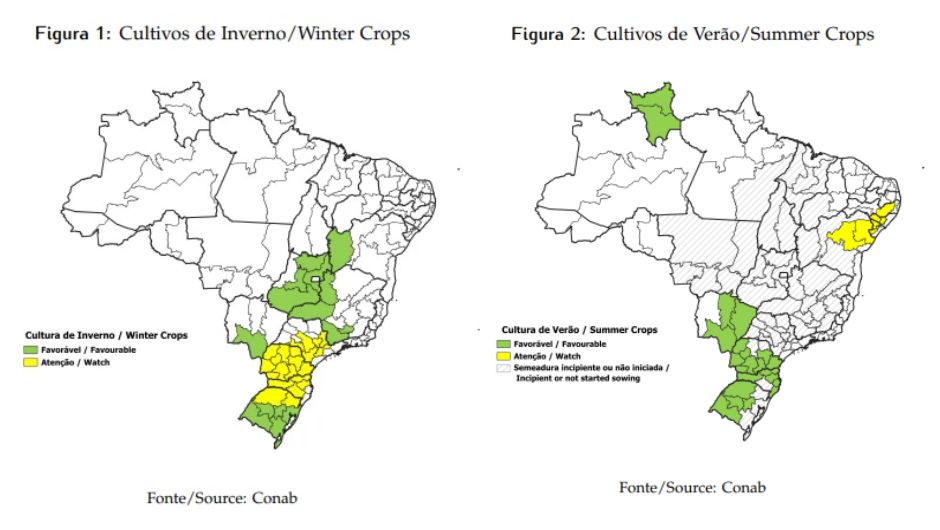
With rainfall volumes above the climatological norm, the most intense rains occurred in parts of Amazonas, Mato Grosso do Sul, São Paulo, southern Minas Gerais, Paraná, Santa Catarina, and northern Rio Grande do Sul. In other producing regions, such as Matopiba, the rainfall mitigated the risk of fires, but was insufficient to replenish soil water storage and allow sowing in most rainfed areas. In the semi-arid regions of Minas Gerais and the Northeast, however, there was practically no rain.
The progress of the new harvest can already be observed in different crops. In Rio Grande do Sul, approximately 10 hectares of rice have been sown in the Western Border region. In Paraná, soil moisture has boosted the planting of the first corn crop, while in Santa Catarina, work also continues, although the high humidity limits the pace of the machinery. In Mato Grosso do Sul, the first soybean crops have begun to be planted.
As the new harvest progresses, excess moisture poses challenges for wheat. In Paraná, harvesting is being adjusted to avoid rainy periods and preserve grain quality. In Santa Catarina, the sequence of rains maintains high phytosanitary pressure, requiring attention to diseases such as Fusarium head blight, rusts, powdery mildew, and leaf spots. In São Paulo, the combination of rain and low temperatures compromises grain quality and can cause germination of the cereal while still on the ear.
This scenario can also be observed in satellite monitoring. After being above the previous harvest and the historical average in most periods between July and August, the wheat vegetation index fell below the previous cycle in the most recent data from most monitored regions. According to Conab, this behavior may indicate crop deterioration, mainly due to excess moisture, although factors such as the corn harvest and changes in vegetation cover also influence the indicator.
Other crop highlights:
The 2025/2026 harvest is progressing at different stages, depending on the producing region. In Bahia, some crops are still maturing, while in Minas Gerais the harvest is nearing completion. In Mato Grosso, Mato Grosso do Sul, and Goiás, the work has already been completed.
Planting is progressing in the main producing regions under generally favorable conditions, although excess moisture is limiting the pace of work in some areas. In Rio Grande do Sul, a break in the rains has allowed machinery to enter the market, particularly in the earliest planting areas, which are nearing completion.
Harvesting continues in the main producing regions. In São Paulo, excess water in the soil initially prevented harvesters from entering the area, but reduced rainfall and rising temperatures have allowed operations to resume, albeit at a slower pace. In Mato Grosso do Sul, the rainy and humid weather is still preventing the harvest from being completed.
The harvest is progressing with contrasting results between irrigated and rainfed areas. In western Bahia, irrigated crops are showing good yields; however, in northeastern Bahia, the drought that began in June has compromised the crop's potential. In Sergipe, irregular rainfall has affected crops, and in Simão Dias and Poço Verde, some areas have been allocated to silage production.
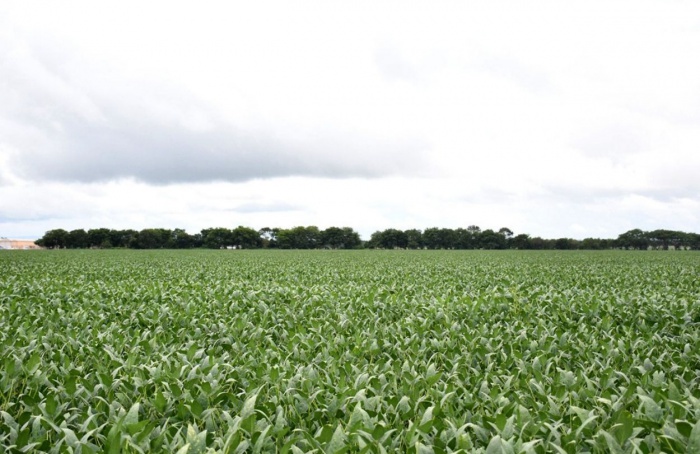
Soybean planting is progressing at different rates across the country. In Mato Grosso, planting is mainly occurring in irrigated areas, with only occasional rainfed planting. In Mato Grosso do Sul, moisture conditions are favorable for the start of sowing in almost the entire state. In Paraná, where the sanitary break has already ended in some regions, climatic conditions have favored sowing.
Sowing is progressing in different rice-producing regions, favored by moisture conditions in some areas. In Santa Catarina, planting is underway and water availability favors crop establishment, although it may restrict operations and make management difficult in some areas. In Maranhão, irrigated rice is in an advanced stage, with the first areas already being harvested, while rainfed planting is expected to begin only in December.
Receive the latest agriculture news by email



Receive the latest agriculture news by email