Pirated seeds cause losses of R$ 10 billion per year in Brazil.
The use of illegal materials reduces productivity and generates losses for the seed market.
27.08.2026 | 17:29 (UTC -3)
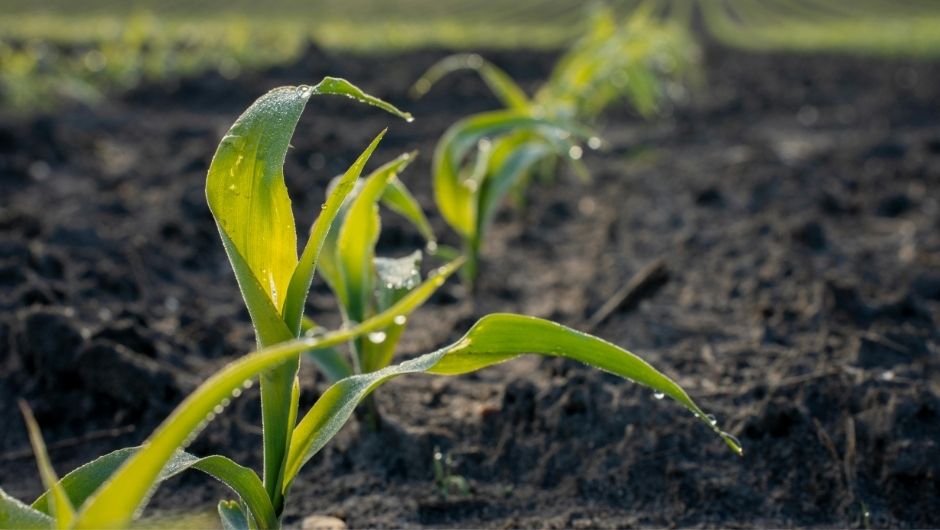
The planting of the first corn crop of the 2026/27 cycle is in its initial phase in Rio Grande do Sul. According to the Emater/RS Conjunctural Report, the pace of work has been conditioned by the high soil moisture and rainfall, which limits machinery access and, in some locations, impairs planting conditions.
The already planted areas are progressing to the initial stages of emergence and vegetative development, favored by the higher temperatures recorded at the beginning of the period. In regions where there was a greater opening of the operational window indicated by the Agricultural Zoning of Climatic Risk (Zarc), especially in the northwest of the State, sowing progressed more significantly.
In colder areas or those with more persistent humidity, planting is still occurring sporadically. Producers have intensified pre-planting preparations, and the expectation is that sowing will accelerate as periods of low rainfall increase.
In the first areas to emerge, sucking insects were observed, especially leafhoppers and stink bugs. In some of the crops, control interventions were necessary.
The area designated for corn cultivation in Rio Grande do Sul for the 2026/27 crop season is still being surveyed by Emater/RS. Initial projections indicate a trend of increasing cultivated area.
Wheat
Wheat crops are developing normally, although low sunlight and frequent rains have limited the growth rate and the ability to carry out management operations in different producing regions.
The predominant phenological stage is vegetative development, which accounts for 61% of the area. The most advanced plots are in flowering (28%), grain filling (10%), and maturation (1%).
In flowering areas, the combination of high relative humidity, cloud cover, and rainfall increased the risk of ear diseases, especially Fusarium head blight, requiring monitoring for possible floral infection. Symptoms of foliar diseases and powdery mildew were also observed, particularly in crops with higher nitrogen availability.
Excessive soil moisture has restricted the entry of machinery and delayed applications of nitrogen and pesticides. The frosts of varying intensity recorded during the period do not yet allow for a consolidated assessment of any potential damage, considering the predominance of areas in vegetative stages.
Despite the restrictions imposed by environmental conditions, the crops generally present satisfactory conditions, with their productive potential still preserved.
Emater/RS projects an area of 814.220 hectares of wheat for the 2026 harvest, with an estimated average productivity of 2.701 kg/ha.
Canola
Canola is predominantly in reproductive stages, with 62% of the area in flowering and 28% in grain filling. The later-planted areas, which account for 8%, are still in vegetative development, while 2% are in maturation.
Crop performance is generally satisfactory, and the productive potential in the main producing regions remains adequate.
The availability of moisture has supported plant development, although excessive rainfall and low light levels have caused occasional restrictions, mainly on machinery access and maintaining the pace of management. In flowering areas, the humid environment requires phytosanitary monitoring. Crops in the formation and silique-filling stages show adequate development.
According to Emater/RS, it has not yet been possible to assess the potential impacts of frost on cultivated areas. The canola area is estimated at 353.397 hectares, with an average productivity of 1.619 kg/ha.
Carinata
Carinata crops are primarily in reproductive stages, with 63% of the area in full bloom and 27% in grain filling. The vegetative and maturation stages correspond to 9% and 1% of the cultivated area, respectively.
Development is considered satisfactory, with adequate evolution of reproductive structures. Improved light levels during this period favored pollinator activity in flowering areas and contributed to the advancement of grain filling in more advanced crops.
White oats
White oat crops are distributed among the vegetative development stages (30%), flowering (35%), grain filling (33%), and maturation (2%). Some specific areas have already been harvested, but without statistical significance yet.
Crop health is considered adequate, although temperatures and rainfall patterns have influenced the cycle's progression. In areas where phytosanitary management has been more intensive, better sanitary conditions are observed, while the incidence of diseases remains localized.
The approaching end of the crop cycle in some fields also highlights differences related to planting time, including in areas sown before the preferred period indicated by Zarc.
The estimated planting area is 387.697 hectares, with a projected average state productivity of 2.322 kg/ha.
Barley
Barley exhibits a phenological distribution concentrated in vegetative development, which corresponds to 78% of the state's area. Another 16% are in flowering and 6% in grain filling.
Excess moisture and persistent unfavorable weather conditions have slowed the growth rate of the plants, resulting in yellowing at the base.
High soil moisture also restricts mechanized operations at the beginning of the reproductive phase, increasing the sensitivity of crops to moisture and the risk of ear diseases, especially Fusarium head blight.
The estimated cultivation area is 20.320 hectares, with an average productivity of 3.020 kg/ha.
Excessive soil moisture in recent weeks has posed challenges to vegetable producers in some regions of the state. In Bagé, plant rot is already jeopardizing the fulfillment of contracts with schools, as well as the supply of markets and fairs.
Small areas of cassava that have not yet been harvested are practically lost. Losses were also recorded in areas of cabbage, lettuce, and arugula, mainly due to high humidity and low solar radiation.
In Hulha Negra, hail caused damage to greenhouses producing vegetables, directly affecting crops of onions, cabbage, lettuce, and beets.
Emater/RS also highlights the increased pressure from invasive plants and recommends greater attention from producers, with reinforcement of control strategies.
The harvest of late-maturing citrus varieties is underway in the Emater/RS administrative region of Ijuí. After satisfactory results in early-maturing crops, the outlook for production remains positive.
The price received by the producer, however, remains low: R$ 0,50/kg for the industry and between R$ 2,50 and R$ 2,87/kg for the fresh market.
In strawberry cultivation, the warm, sunny days favored plant development and fruit ripening. The harvest is progressing with good quality and stable prices.
In viticulture, vine budding should begin in the coming days, as the buds are already showing swelling. Early-ripening cultivars are already fruiting. Producers continue with pruning, tying, and cleaning the vineyards.
Peach cultivation is currently in the fruit thinning phase and is receiving phytosanitary treatments. Melon and watermelon transplanting, however, is proceeding slowly due to difficulties faced by producers in preparing the fields.
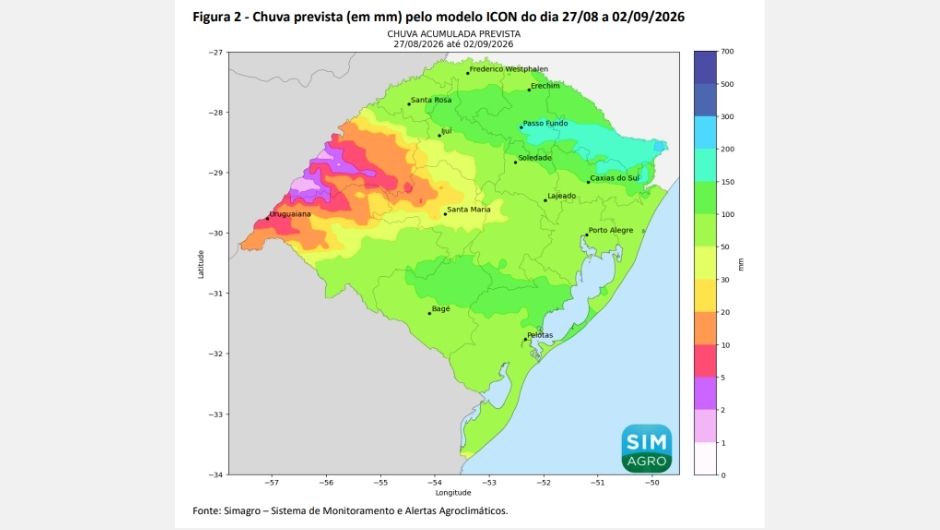
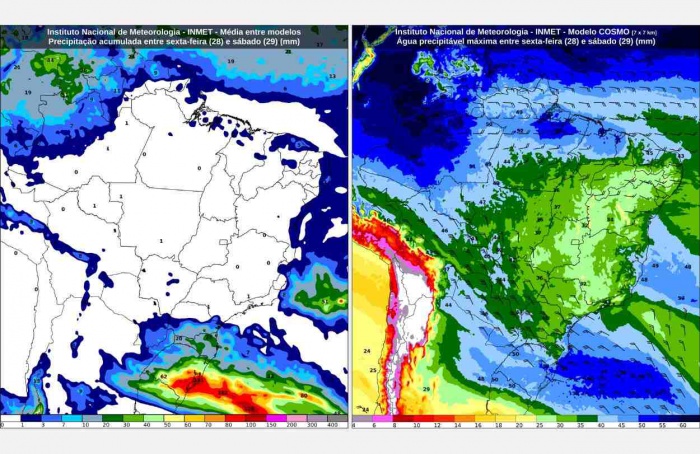
Next week will be marked by the return of rain to Rio Grande do Sul. Between August 27th and 31st, the advance of a cold front will cause instability in different regions. On the 27th and 28th, rainfall will be more concentrated in the southern half and along the coast. Between the 29th and 31st, the rain will advance to the northern half and the coast, while temperatures will be rising.
On September 1st and 2nd, the presence of a high-pressure area should bring greater stability to the state, with a drop in temperatures and rain expected only in isolated areas. The accumulated rainfall predicted for the week ranges from 0 to 150 mm, with the possibility of higher volumes in some locations.
Receive the latest agriculture news by email


Receive the latest agriculture news by email