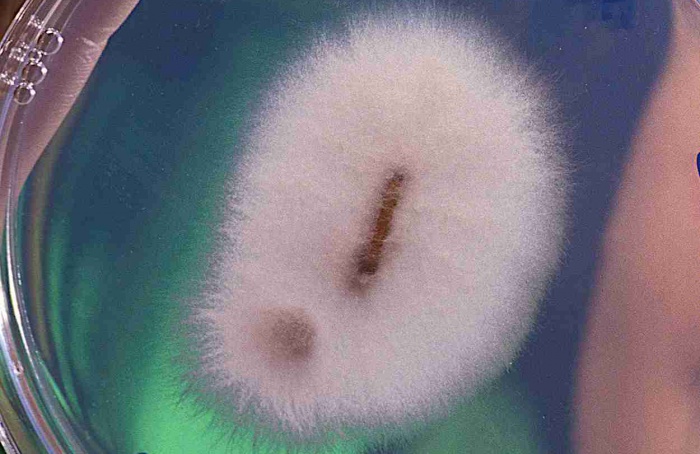
Lycorine affects detoxification in Spodoptera litura
Alkaloid represses CYP6AE genes, reduces P450 activity, and increases larval mortality
21.06.2026 | 16:27 (UTC -3)
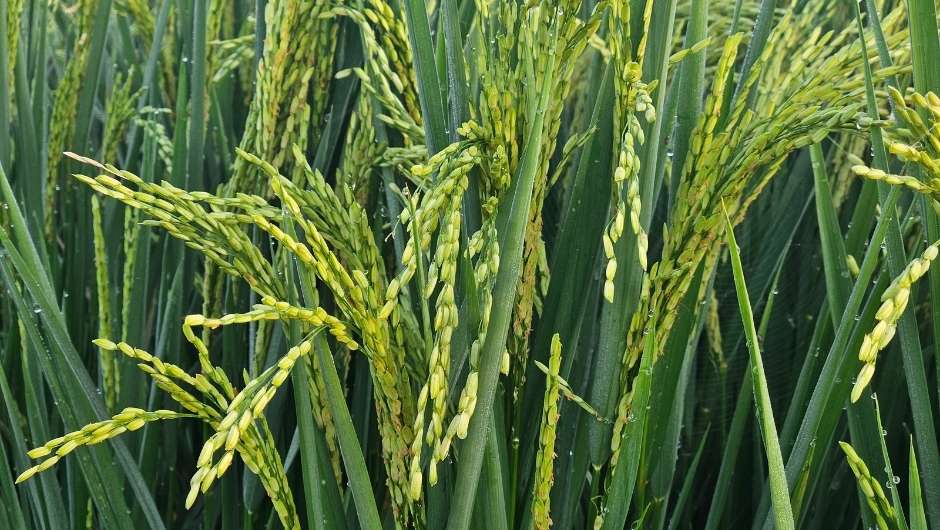
Agricultural production costs remained virtually stable in Rio Grande do Sul in May, but the drop in prices received by producers has once again put pressure on the sector's profitability. This data comes from the Economic Advisory Office of the Farsul System.
The Production Cost Inflation Index (IICP) registered an increase of only 0,04% in the month, reflecting a scenario of relative stability. According to the entity, the reduction in the exchange rate contributed to the lower cost of imported inputs, such as fertilizers and pesticides, while the drop in the price of diesel helped to reduce costs related to freight and mechanized operations.
Despite the relief seen in May, costs continue on an upward trajectory year-to-date. Over 12 months, the IICP (Cost Index of Public Costs) advanced 3,11%, while the accumulated increase in 2026 reaches 5,94%, concentrated mainly in the months of March and April.
On the revenue side, the scenario was less favorable. The Inflation Index of Prices Received by Rural Producers (IIPR) fell 1,98% in May, interrupting a sequence of increases observed in previous months. The decline was mainly driven by the devaluation of soybeans, rice, and pork.
With this result, the indicator has accumulated a drop of 7,64% in the last 12 months, signaling that the prices paid to producers remain below the levels recorded in the same period last year.
Farsul also highlights the mismatch between prices received in the field and the values paid by consumers. While the IIPR (Rural Producer Index) has accumulated a decline over 12 months, the IPCA Food Index (Broad Consumer Price Index for Food) registered an increase of 3,87% in the same period. According to the organization, the behavior of the indicators suggests that food inflation does not originate in agricultural production, but in later stages of the chain and in macroeconomic factors.
Receive the latest agriculture news by email


Receive the latest agriculture news by email