Embrapa identifies bacteria that fix nitrogen in cotton
Microorganisms have shown potential to replace some nitrogen fertilizers and generate new bio-inputs
10.08.2026 | 18:00 (UTC -3)
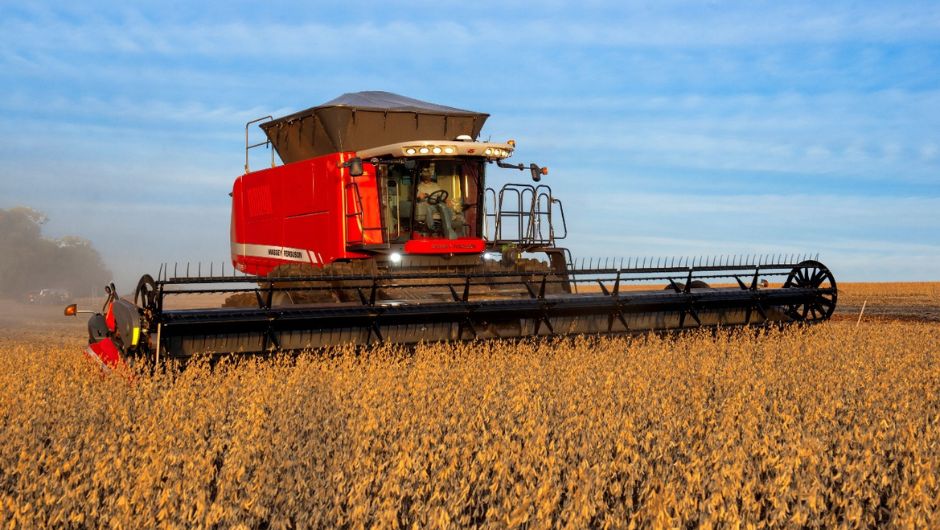
With the approach of a new harvest season, preventive maintenance of agricultural machinery becomes increasingly important in planning. Inspections carried out during the off-season allow for the assessment of the condition of tractors, planters, sprayers, and harvesters before the start of fieldwork.
“Pre-harvest maintenance gives the producer something they almost never have during operation: time to decide. When wear and tear is identified with the machine stopped on the farm or at the dealership, it is still possible to plan the purchase of parts, reserve labor, organize transportation, and test the equipment after the repair,” explains Vinícius Oliveira, AGCO Latin America Services Marketing Manager.
Preventive maintenance reduces the risk of unscheduled downtime. An overheating bearing, a dried-out hose, a restricted filter, or a weakened battery are often simple problems when found early. If ignored, they can damage other components and turn a routine intervention into a long and expensive shutdown.
The inspection begins with a common base for all equipment: engine, fuel, lubrication, cooling, filters, transmission, hydraulic system, electrical system, battery, tires or wheels, brakes, steering, leaks, protections, and fault codes. Then, the evaluation needs to consider the function of each machine.
For tractors, the inspection includes transmission and clutch, power take-off, lift, hydraulic controls, steering, brakes, tires, ballast, hitches, and communication with the implement. For planters, the following should be evaluated: cutting discs, furrow openers, bearings, chains, metering devices, delivery tubes, pneumatic system, row pressure, depth, compaction wheels, sensors, and seed and fertilizer calibration.
In sprayers, the inspection involves the pump, filters, hoses, nozzles, valves, sections, booms, height control, pressure, flow rate, agitation, sensors, and application calibration.
In combine harvesters, attention should be focused on the platform and cutting system, feeder channel, belts, chains, bearings, rotor or threshing system, separation and cleaning, elevators, augers, final drives, hydraulic and hydrostatic circuits, cooling, electrical system, sensors, and cleaning of residue accumulation areas.
“Many breakdowns begin with familiar signs: cracked or out-of-tension belts, loose or overheated bearings, clogged filters, dirty radiators and screens, deteriorated hoses, leaks, oxidized battery terminals, charging failures, and contaminated fuel. Problems caused by improper adjustment or by components that were already nearing their wear limit are also frequent,” says the expert.
The process should begin during the off-season, as soon as the equipment is released from its previous operation. Instead of setting a single deadline, the producer can work from the expected return date to the field, allowing time for inspection, diagnosis, approval, parts arrival, service execution, and a new test.
Larger fleets, machines without backup equipment, and harvesters that may require more complex interventions should be prioritized in the scheduling. The most common mistake is leaving the complete assessment for the last week. In this situation, even a simple repair can be contingent on the workshop's schedule or the delivery time of a component.
Scheduled maintenance also allows for purchasing the correct part, coordinating travel, organizing labor, and testing the machine without the pressure of operation. Furthermore, clean filters, properly inflated tires, a functioning cooling system, and correct adjustments help the equipment operate closer to its designed performance, without unnecessary strain or fuel consumption.
Autopilot systems, monitors, sensors, and software also need to be evaluated. The inspection should begin with the power supply, including the battery, alternator, ground connections, fuses, wiring harnesses, and connectors. Low voltage or unstable connections can generate various fault codes and give the impression of a software problem.
Next, the terminal, receiver and positioning antenna, sensors, cameras, electronic units, communication with the implement, correction source, calibrations, and software versions come into play. Updates should follow the guidelines applicable to the model and be completed with configuration and testing. It is also recommended to preserve maps, parameters, and important data before any intervention.
The overhaul doesn't end when the repair is complete. After the services, the equipment needs to reach operating temperature and undergo a functional test. When possible, the test should be performed with the platform or implement that will be used. It is at this stage that leaks under pressure, overheating, intermittent failures, and adjustments that seemed correct when the machine was stationary can become apparent.
Visual inspection can also be combined with battery testing and fluid analysis. Oil, fuel, and coolant can reveal contamination, dilution, or wear before the problem becomes apparent.
The operator also plays an important role. They are the machine's first sensor and can perceive changes in noise, temperature, vibration, power, and work quality. The daily routine should include cleaning, fluid levels, leaks, lubrication points, tires, guards, alarms, and visual inspection of the main components.
Among the errors that most accelerate wear and tear are continuing to work with an active alarm or symptom, operating above capacity, using settings incompatible with the crop conditions, neglecting the cleaning of radiators and areas with straw, delaying lubrication, refueling with fuel of dubious origin, and bypassing protections or interlocks.
“The operator doesn’t need to perform a complete diagnosis, but they need to know when to stop and call for support. A symptom that only appears under load or after a few hours may not recur in the workshop. Therefore, it’s worth recording the working conditions, the displayed code, and, when possible, photos or videos,” adds Vinícius Oliveira.
Receive the latest agriculture news by email


Receive the latest agriculture news by email