Study redefines avirulence gene of Phytophthora sojae
Rare recombination identifies Avr3c as a recognized target for Rps6, Rps3c, and Rps4 in soybeans
16.08.2026 | 15:11 (UTC -3)
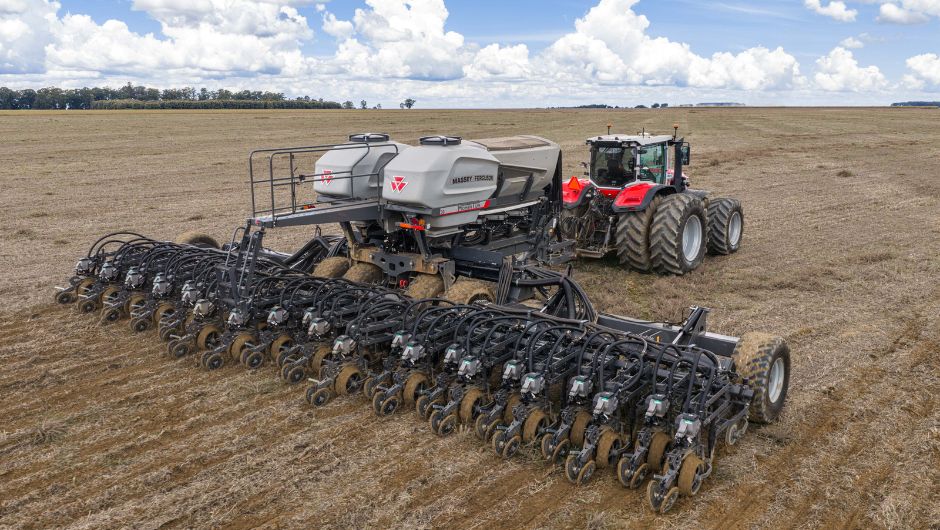
Celebrated on August 21st, Seed Day draws attention to one of the main inputs in agricultural production. The result of years of research and genetic improvement, seeds have a high productive potential, but their performance in the field depends on a number of factors, including the quality of the planting operation.
Uniform seed distribution, correct planting depth, and proper soil contact are crucial for even plant emergence, a step that directly influences crop development and yield potential.
"Even when using high-quality seeds, the result can be compromised if planting is not done precisely. Uniform sowing is fundamental to ensure that all plants have similar conditions for development from the beginning of the cycle," explains Lucas Zanetti, Product Marketing Manager at Massey Ferguson.
To meet this need, the evolution of planters has incorporated technologies that automate adjustments and enhance operational control. One example is the Massey Ferguson Momentum planter, developed for large-scale operations and equipped with features that maintain uniform seed placement even on terrain with variations in relief.
Among the machine's distinguishing features are the exclusive Smart Frame and Weight Transfer technologies. The Smart Frame automatically distributes weight throughout the planter's structure, ensuring greater uniformity in planting depth. Weight Transfer allows the operator to apply additional load to the machine's sections directly from the cab, preventing row lift in uneven areas and preserving seeding quality.
Another highlight is the VSet technology, responsible for high precision in seed singulation, combined with the VDrive system, which controls the seeding rate and performs row-by-row section cutting, reducing overlaps and failures during operation. The Momentum also incorporates the vApply system for controlling fertilizer application and the new generation 20/20 monitor, which allows real-time monitoring of the performance of each planting row, expanding the operator's monitoring and decision-making capabilities.
“In addition to the embedded technologies, the new configuration of the planting lines improves straw flow and reduces the risk of clogging, favoring the continuity of the operation even in no-till planting areas over corn straw. According to field trials, the combination of these solutions can provide gains of up to 3% in soybean productivity and 2,3% in second-crop corn, resulting from better uniformity in plant emergence,” explains Zanetti.
Receive the latest agriculture news by email


Receive the latest agriculture news by email