Agrihold buys stake in Agrivalle
The deal anticipates synergies between chemicals and biologicals.
05.03.2026 | 18:22 (UTC -3)
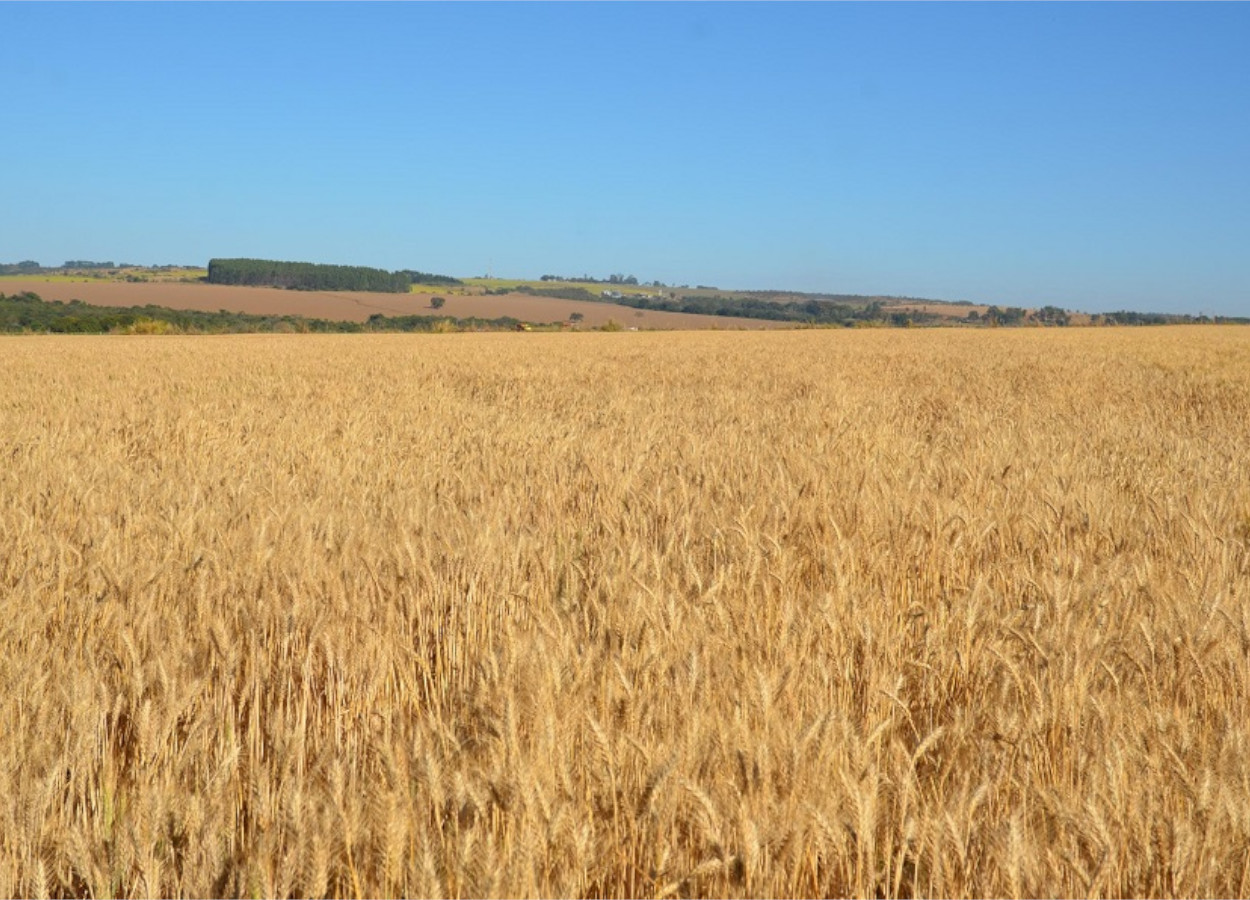
Wheat planting in the Cerrado region of Central Brazil entered the recommended window in early March. The 2026 harvest requires attention to climate, soil and crop management, as well as cultivar selection, according to Embrapa guidelines. In the region, the cereal is planted immediately after the soybean harvest, without irrigation, using the moisture from the end of the rainy season.
Even with a projected reduction in wheat acreage in the country, producers in the Cerrado region remain optimistic. By 2025, Minas Gerais, Bahia, Goiás, Mato Grosso, and the Federal District totaled approximately 290 hectares, with over 80% of the area under rainfed farming systems. In Goiás, the estimate for this year ranges from 80 to 90 hectares. The trend in the region indicates maintenance or a slight increase in the area.
Embrapa highlights agronomic and economic advantages. Wheat expands crop rotation, helps break the cycle of pests and diseases, covers areas that would otherwise fallow, and also contributes to the management of glyphosate-resistant weeds. In the Cerrado region, harvesting takes place between June and July, during the dry season, which favors grain quality. Yields have varied from 35 to 85 sacks per hectare in years with average rainfall.
The recommendation applies to areas with an altitude of 800 meters or higher. Before planting, the producer needs to check the climate zoning, analyze the soil, and correct acidity and aluminum levels at depth. The no-till planting system also helps conserve water and reduce the effects of dry spells.
Sowing should proceed from the beginning to the end of March, depending on the rainfall regime. At the beginning of the window, the recommendation is to use cultivars that are more tolerant to diseases such as blast and leaf spots. After March 15th, more drought-tolerant varieties gain prominence. Among Embrapa's options, BRS Savana is available for planting in the first half of March, with a potential yield of 80 sacks per hectare. BRS 404 is better suited to the end of the window, after March 20th, and can reach 60 sacks per hectare in the Central Plateau.
Receive the latest agriculture news by email



Receive the latest agriculture news by email