Inmet forecasts dry weather and a longer window for harvesting.
Conditions favor operations with corn, cotton, and coffee in producing regions.
29.07.2026 | 18:22 (UTC -3)
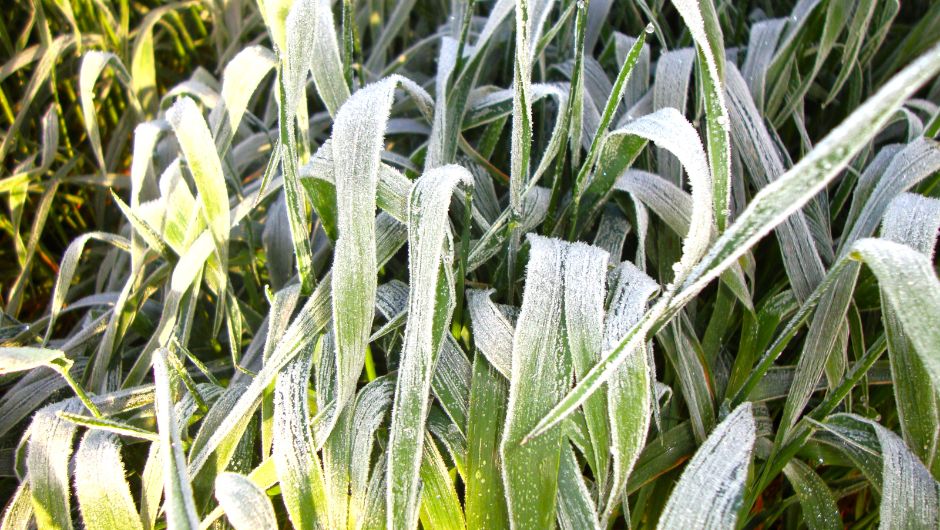
Frost damage to black oats is very frequent in the Southern Region, harming the supply of forage to feed livestock. A study by Embrapa Trigo showed that adjustments in plant density can reduce the impact of frost on black oats.
Black oats are the most widely cultivated forage crop in the world. In the southern states of Brazil, black oats are used as a cover crop or as forage in meat or milk production. Despite their good adaptation to cold weather, black oats are very susceptible to frost, with damage ranging from reduced biomass to plant death.
A study conducted at Embrapa Trigo, in Passo Fundo, RS, sought strategies to reduce frost damage in black oats, especially during the reproductive phase of the crop. An experiment evaluated three black oat genotypes at three sowing densities: 200, 300, and 400 viable seeds per square meter (plant/m2). The results showed that crops with lower plant densities may better withstand frost.
According to researcher Osmar Rodrigues, the best response in biomass production after frost was obtained with a population of 200 plants/m2: “The black oat plant density of 200 plants/m2, in addition to reducing seed costs in its establishment, compared to high densities (300 and 400 plants/m2), improved the plants' resistance to frost damage, with positive effects on biomass production.”
He explains that the greater availability of radiation in a population of 200 plants/m2, favoring greater photosynthetic efficiency, may have had a positive impact on the osmotic concentration of the tissues (relative water content), increasing resistance to frost. “Open canopies or low plant populations store more water-soluble carbohydrates in the tissues, as a consequence of greater light penetration into deeper areas. On the other hand, less vegetation cover can lead to greater soil heating during the day, and at night, with the cooling of the soil and air due to heat dissipation into the atmosphere, it can reduce cooling and the damage caused,” the researcher details.
The researcher emphasizes that proper seeding density is a strategy capable of mitigating the negative effects of frost on forage crops: “High plant density is a common practice among forage producers in southern Brazil. However, despite initial gains in biomass production, very high populations can cause self-shading, reducing tillering and increasing plant sensitivity to freezing due to greater soil moisture retention from low sunlight penetration.”
Researcher Jane Machado emphasizes the importance of the study: “Black oats are the most widely cultivated species in the Southern region of Brazil. Proper planting density can be a strategy to minimize crop damage under adverse weather conditions.”
Receive the latest agriculture news by email



Receive the latest agriculture news by email