Abapa highlights safety in the launch of Operation Harvest 2026/27
Initiative expands use of technology in monitoring properties and highways in western Bahia.
01.10.2026 | 16:54 (UTC -3)
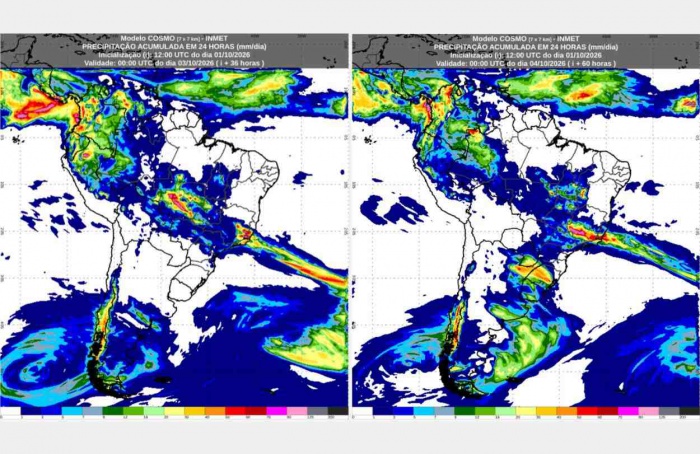
Farmers in Paraná should be aware of the high rainfall volumes expected in the first ten days of October, with peak intensity between Sunday (October 4th) and Tuesday (October 6th). The National Institute of Meteorology (Inmet) indicates that, in most agricultural regions of the state, the accumulated rainfall should vary between 70 mm and 150 mm.
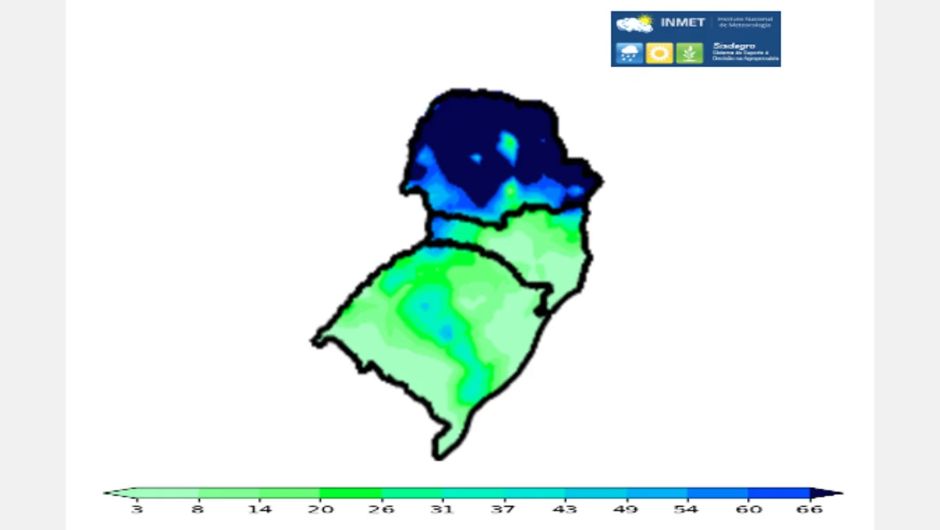
The most severe situations are expected across much of the state, where rainfall could exceed 150 mm, mainly in the western and southern portions. In addition to the high rainfall volumes, the forecast indicates excess soil moisture in much of the state's agricultural regions, with values above 50 mm. This scenario suggests that the available water may exceed the soil's storage capacity, favoring saturation and waterlogging conditions, especially in areas with poorer drainage.
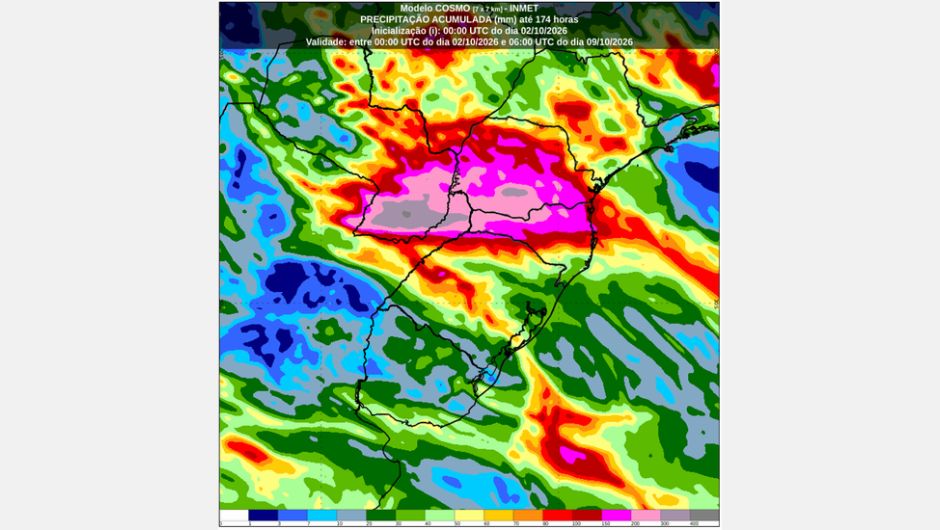
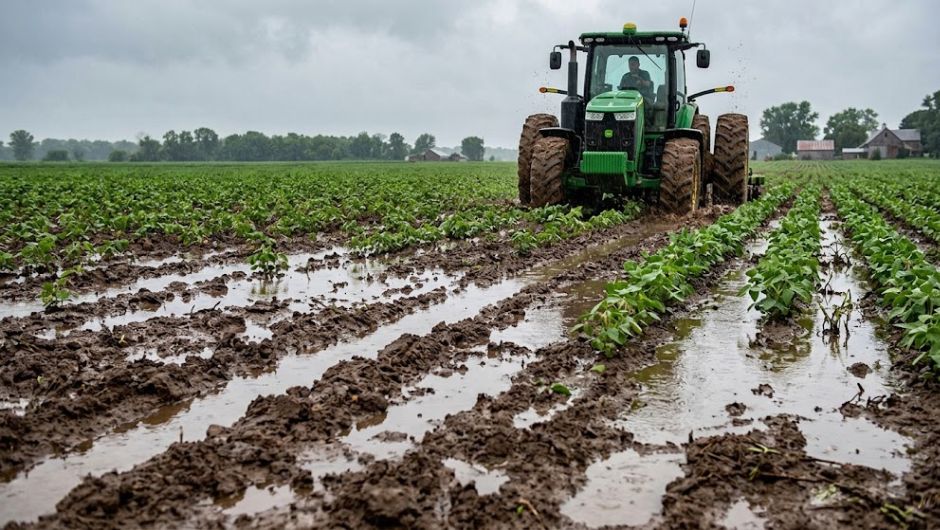
This high volume of predicted rainfall coincides with a strategic moment in the agricultural calendar: the end of the sanitary break and the beginning of planting for the 2026/2027 summer crop (soybeans and corn). According to updated data from the Department of Rural Economy (Deral), approximately 28% of the area destined for soybeans has already been sown, with greater progress in the western region of the state, especially in Cascavel and Toledo. Waterlogging of the soil tends to paralyze machinery traffic, delaying desiccation and sowing. In recently sown areas, there is a risk of runoff, seed washing, and burial, which can lead to stand loss.
The situation is even more critical for producers who still have winter crops, such as wheat and barley, in the field. In some areas, the crops are in the final stage of grain filling or already at the beginning of harvesting, as is the case in regions of Guarapuava and Ponta Grossa, increasing the vulnerability of the crops to the impacts of excess moisture.
In this context, the frequent rains recorded in the last week had already been deteriorating plant conditions, reducing product quality and increasing losses. The continued rainfall raises an alert, as high humidity not only favors seed germination in the ear and loss of grain quality, but also, prolonged periods of high humidity favor conditions for the development and spread of fungal diseases, such as Fusarium head blight and blast, especially in crops still in a susceptible phase.
Experts consulted by Inmet advise suspending heavy machinery traffic on waterlogged soils to prevent compaction. Furthermore, they emphasize the need to review contour lines, maintain conservation practices to control erosion, and monitor plant health in areas affected by disease.
Receive the latest agriculture news by email



Receive the latest agriculture news by email