Inmet: weather forecast for Thursday (16) and Friday (17)
Storms return to Rio Grande do Sul; cold front keeps rain in eastern Northeast Brazil.
15.07.2026 | 16:51 (UTC -3)
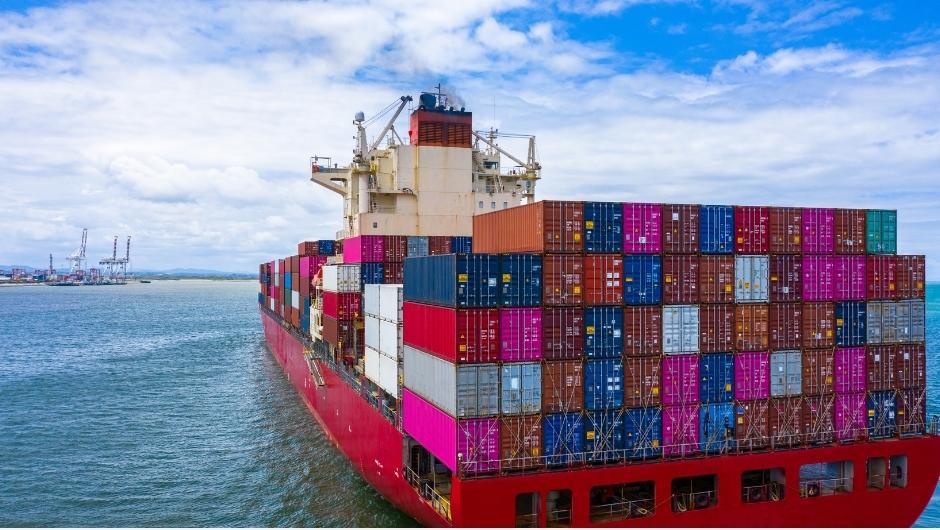
A decision from the United States brings new challenges to the trade balance of Rio Grande do Sul. The final action of the United States Trade Representative (USTR), published on July 15, 2026, established the application of an additional 25% surcharge on various Brazilian imports. The measure, based on Section 301 of the Trade Act of 1974, comes into effect on July 22 and affects products that were not included in the list of exceptions of the American government.
A Technical Note from Farsul's Economic Advisory reveals a scenario of greater exposure for Rio Grande do Sul compared to the national scenario. While the measure affects 38% of the total value of Brazilian exports to the US — equivalent to US$ 14,33 billion — in Rio Grande do Sul, this index reaches 79%, totaling US$ 1,30 billion.
In agribusiness, the disparity persists. The share of Brazilian agricultural exports impacted is 32,7%, while in the state of Rio Grande do Sul, the exposure reaches 70,4%. This high concentration stems from the specific composition of Rio Grande do Sul's exports, which are heavily dependent on products now subject to the surcharge.
The potential tariff impact (calculated based on export values in 2025) could reach US$325 million for total exports from Rio Grande do Sul and US$135 million specifically for the state's agribusiness sector.
The ranking of the most affected products in Rio Grande do Sul's agricultural sector points to a central concern: the tobacco sector. Unmanufactured tobacco (Virginia type) alone leads the list of risks, followed by sawn timber (Pinus), leather footwear, Burley tobacco, and beef tallow. To give an idea of the concentration, the five main affected products in Rio Grande do Sul's agricultural sector account for 64% of the sector's total exposure in the state.
The list of exceptions published by the USTR, expanded compared to the preliminary version from June, served as an important mitigating factor. Among the products that were excluded from the surcharge are pig iron, bovine hides, fish, organic honey, unflavored instant coffee, and scrap iron and steel.
Expanding these exclusions in the final list reduced the overall burden on Brazil, decreasing the share of affected exports from 43,7% to 38%. In the case of Rio Grande do Sul, the affected share fell from 81,1% to 79%.
Farsul warns that tariff impact values do not automatically mean direct losses of the same magnitude. The market is expected to react in various ways, which may include compression of profit margins and price increases, as well as the search for alternative suppliers or trade diversion.
Starting next week, monitoring will be crucial. Producers and exporters should closely follow not only the customs implementation of the measure, but also any potential scope revisions that may occur, impacting contracts and the competitiveness of products from Rio Grande do Sul in the American market.
Receive the latest agriculture news by email


Receive the latest agriculture news by email