Mechanism can protect tomatoes against heat
Brown University study reveals critical phase and molecular mechanisms for high temperature tolerance
10.11.2024 | 16:32 (UTC -3)
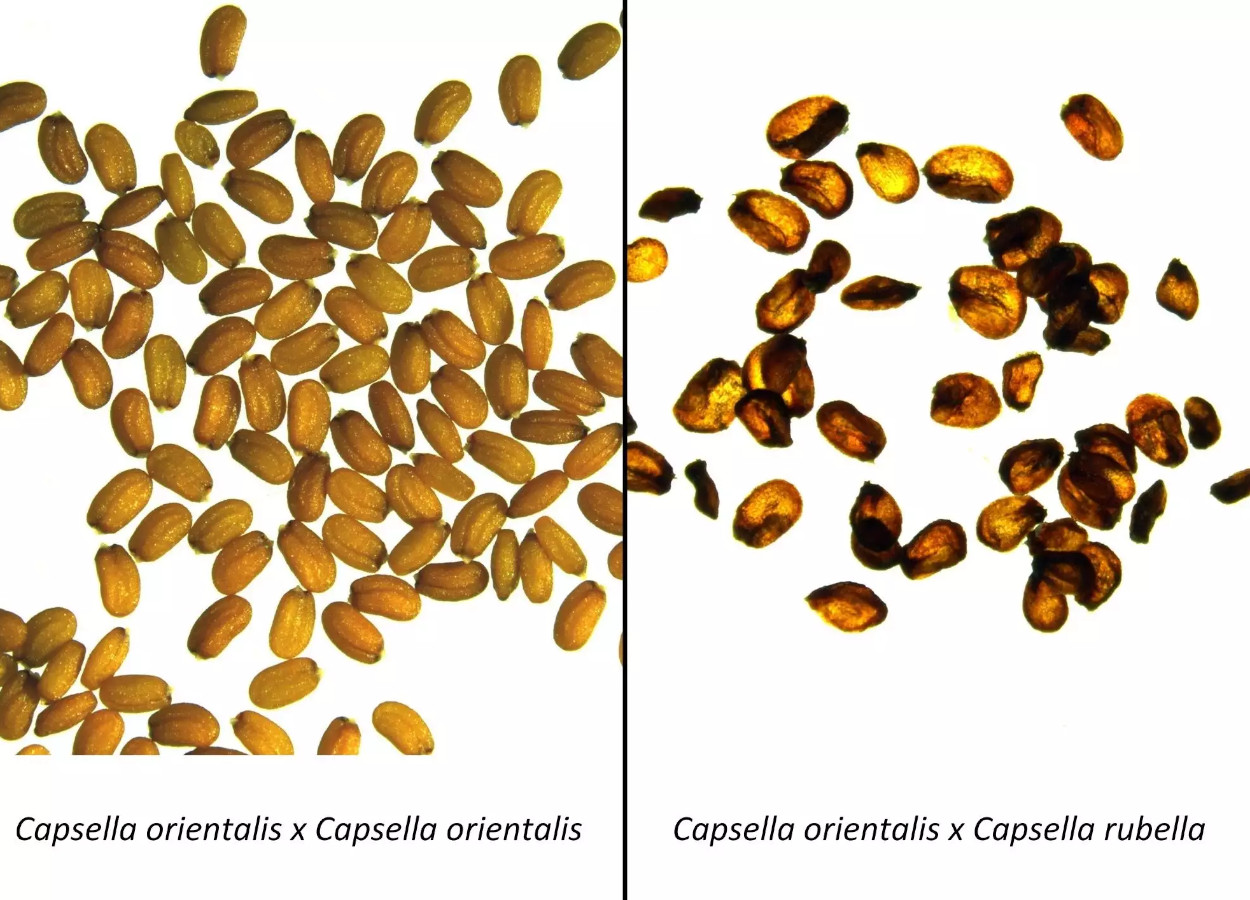
Researchers at the Max Planck Institute of Molecular Plant Physiology have discovered that small RNA molecules may be responsible for the failure of hybrid seeds in Brassicaceae plants. These RNAs are transferred from the maternal plant to the endosperm, where they regulate gene expression. The absence of these molecules prevents the development of the endosperm and, consequently, of the seed, preventing successful hybridization.
The study, conducted by the research group led by Claudia Köhler, investigated the Brassicaceae family, which includes plants such as mustard, broccoli and rapeseed.
When crossing different species, scientists observed the loss of DNA methylation and chromatin decondensation in the endosperm of incompatible seeds, which is directly related to the reduction of small maternal RNAs.
These RNAs, called sirenRNAs, are crucial for regulating gene expression and maintaining endosperm viability.
Scientists have discovered that the reduction of maternal sirenRNAs in hybrid crosses leads to an increase in the expression of genes from the AGAMOUS-like family (AGLs), which play a central role in endosperm development. These genes are located in pericentromeric regions of the genome and are activated when DNA methylation decreases, compromising seed development.
The research results suggest that manipulating the levels of sirenRNAs could increase the chances of successful hybridization between different plant species.
The study also showed that altering the maternal genome dosage can restore sirenRNA levels and allow normal development of hybrid seeds, indicating that these small RNAs are a dosage-sensitive element and essential for successful reproduction.
Furthermore, scientists have observed a similar phenomenon in fruit flies: small maternal RNAs protect against genetic disorders, showing that these mechanisms may be common to organisms other than plants.
The next step in the research will be to understand how these RNAs are generated and transferred to the endosperm, which could pave the way for new techniques for genetic improvement and increasing crop resilience.
More information can be found at doi.org/10.1038/s41477-024-01844-3
Receive the latest agriculture news by email


Receive the latest agriculture news by email