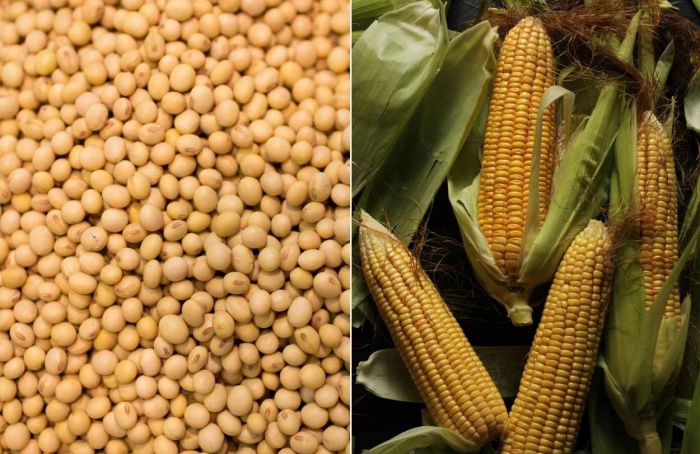
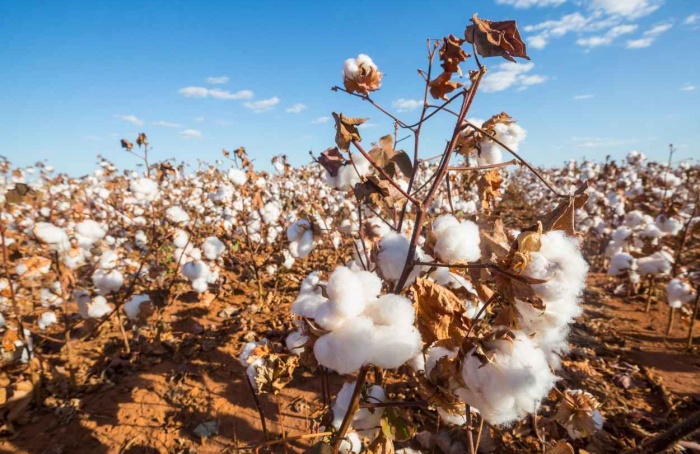
Copacol invests R$ 1,6 billion in grain storage.
Cooperative expands receiving capacity and modernizes facilities in Paraná.
19.06.2026 | 17:09 (UTC -3)
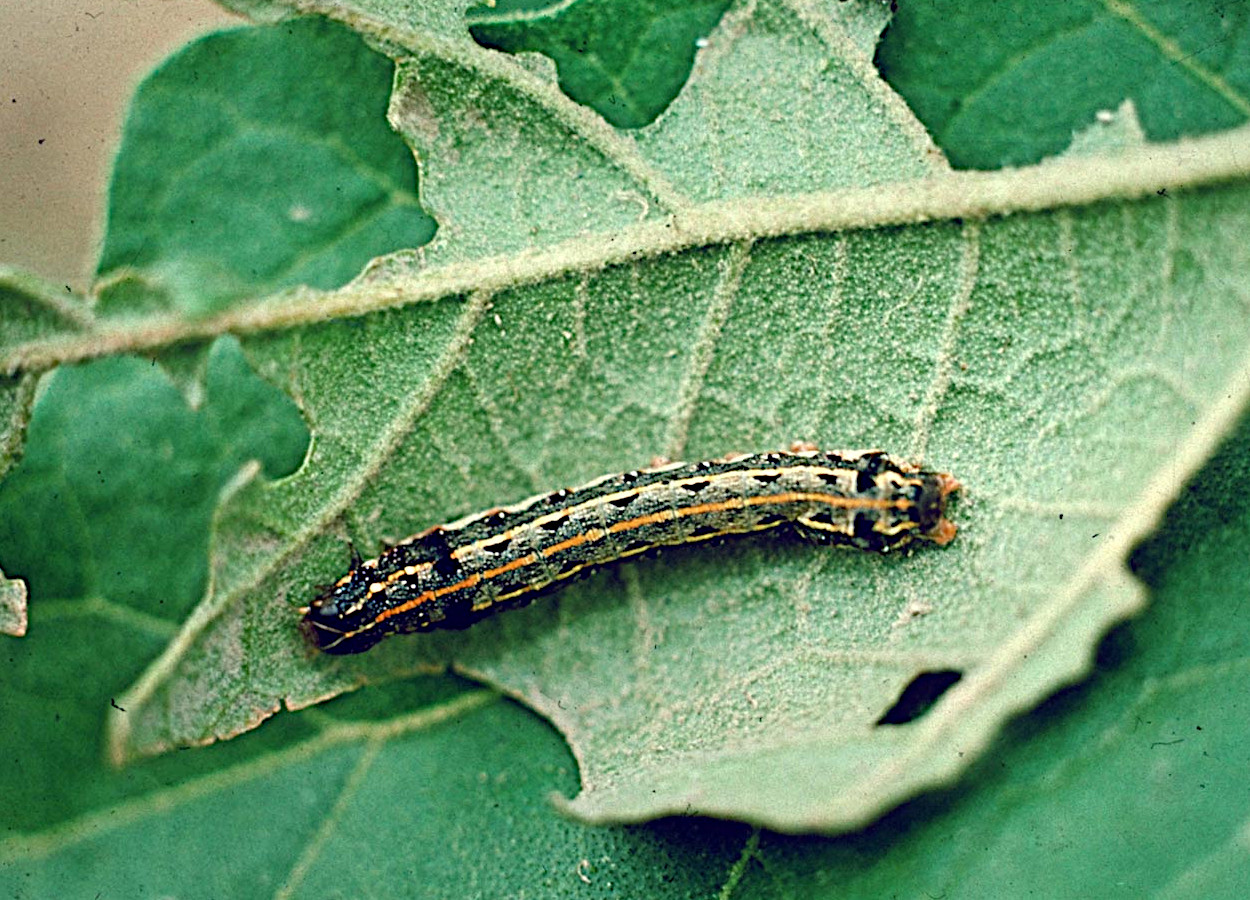
Lycorine acts against Spodoptera litura by compromising the cytochrome P450-mediated detoxification system. The compound, an alkaloid produced by plants of the Amaryllidaceae family, reduced the expression and function of a group of CYP6AE genes. This effect favored the accumulation of the molecule in the insect and increased larval mortality in scientific research (DOI: 10.1002/ps.71003).
The study evaluated the insecticidal mechanism of lycorine, focusing on the detoxification of xenobiotics. The substance showed toxicity against first instar larvae of Spodoptera litura. The median lethal dose reached 0,55 micrograms per larva.
In fifth-instar larvae, exposure to a sublethal dose, equivalent to the lethal dose for thirty percent of individuals, altered metabolic pathways. The treatment also damaged Malpighian tubules and induced oxidative stress.
Lycorine repressed a set of CYP6AE genes in the Malpighian tubules. The group included CYP6AE47, CYP6AE50, CYP6AE70, CYP6AE138, and CYP6AE139. Total P450 activity fell to 45 percent in this tissue.
The researchers also used RNA interference to jointly silence genes in the CYP6AE cluster. With silencing, larval mortality under lycorine treatment increased by 30 percent.
Molecular docking and microscale thermophoresis analyses confirmed a direct link between lycorine and the CYP6AE cluster. The highest affinity was observed with CYP6AE47. The Kd value reached 518,5 nanomolar. The ARG170 residue may play an important role in the interaction between lycorine and CYP6AE47.
The results indicate an insecticidal mechanism based on the suppression of detoxification. Interference with CYP6AE genes reduces the ability to metabolize lycorine. This process contributes to the mortality of Spodoptera litura and may guide management strategies against noctuid moths.
Receive the latest agriculture news by email



Receive the latest agriculture news by email