Higher credit costs put pressure on soybean producers in Mato Grosso.
Imea report points to greater participation of the financial system and a reduction in the use of public resources.
04.12.2025 | 16:24 (UTC -3)
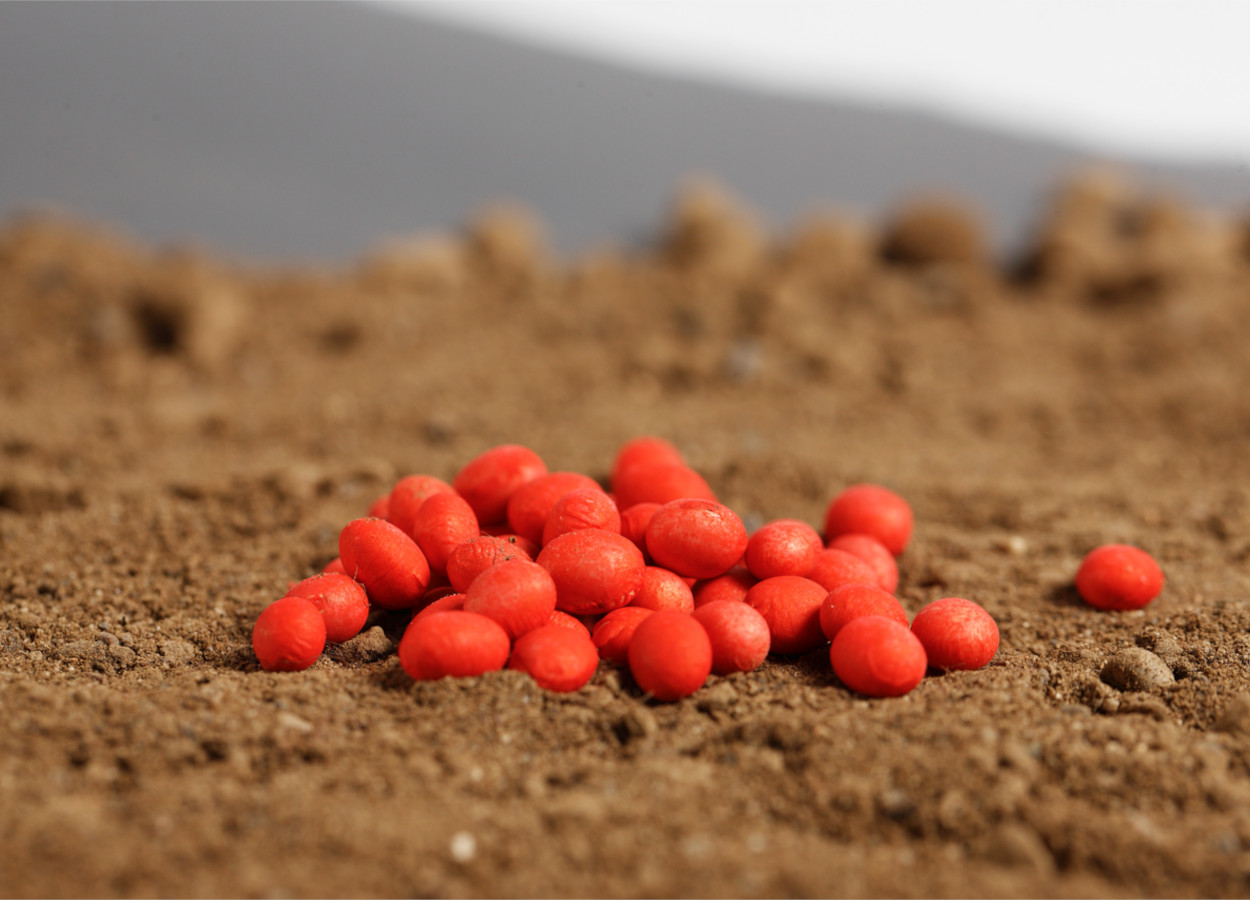
The choice of sowing date defines the success in soybean seed production in low-altitude subtropical regions. Research conducted over four growing seasons in Los Cedrales, in the Alto Paraná department, Paraguay, indicates that late sowing, carried out between January 15 and 31, is the only strategy capable of guaranteeing seeds with high vigor, viability, and longevity.
The study evaluated 15 soybean cultivars with varying growth cycles (RMG 5.5 to 6.9) over four years (2019 to 2023). Researchers compared three sowing times: early (September), normal (November), and late (January). Production occurred under a no-till system with standardized technical management.
The results indicate that early sowing synchronizes flowering and grain filling with the peak of solar radiation. This increases grain productivity by up to 62,8% compared to late sowing. However, this advantage poses a high risk to seed quality.
During maturation, crops sown early in the cycle face temperatures exceeding 35°C and water deficits. This thermal and water stress causes the formation of green seeds with an incidence up to 95% higher than in crops sown later. The damage directly impacts the vigor and longevity of the seeds.
Under the evaluated conditions, no crop sown in September or November maintained germination above the commercial limit (80%) after 150 days of storage. However, all seeds from late sowing exceeded 95% germination and vigor after this period.
In one of the years evaluated, under severe drought and extreme heat (2021/22), late sowing was the only one that maintained physiological quality and also recorded the highest grain productivity, surpassing the other treatments by up to 54,6%.
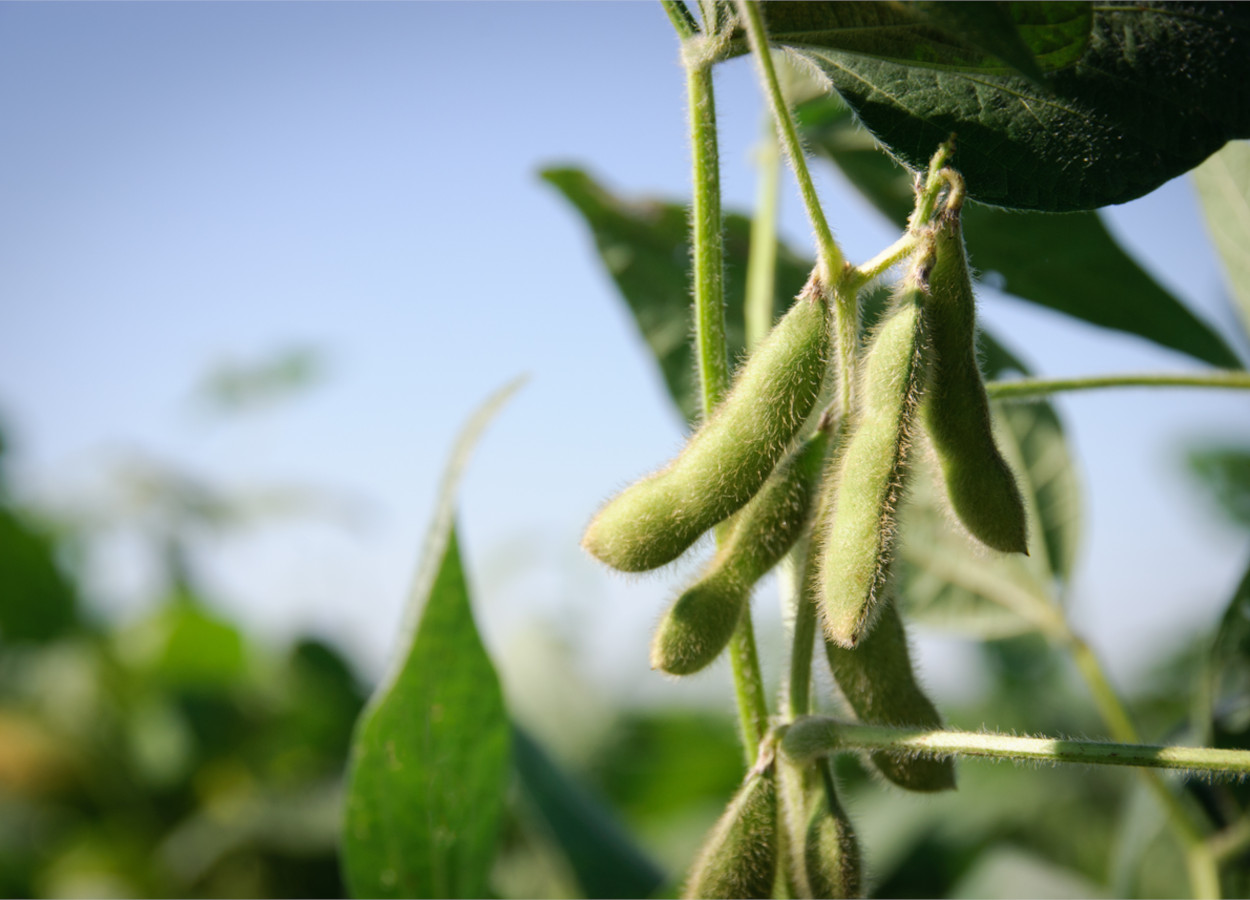
Researchers warn of the inevitable antagonism between yield and physiological quality in low-altitude regions. Seed production requires the maturation phase to occur under mild temperatures, which is only possible with late sowing. Even with a lower production volume, the added value compensates: the revenue per hectare with late seeds exceeded the revenue from grains from more productive crops by 60%.
The study concludes that managing the sowing date is crucial. For grains, early sowing offers greater yield potential, but at a high climatic risk. For seed production, late sowing is essential. This practice avoids maturation stress and ensures the production of high-vigor seeds, fundamental for the success of the next harvest.
The work was carried out by Jose Ricardo Bagateli, Ricardo Mari Bagateli, Giovana Carla da Veiga, Ivan Ricardo Carvalho, Willyan Junior Adorian Bandeira and Geri Eduardo Meneghello.
Further information at doi.org/10.3390/seeds4040064
Receive the latest agriculture news by email



Receive the latest agriculture news by email