Supergasbras invests in specialization to expand its portfolio of solutions in Agribusiness
Energy efficiency must be central to the planning of agricultural activities
07.07.2025 | 19:20 (UTC -3)
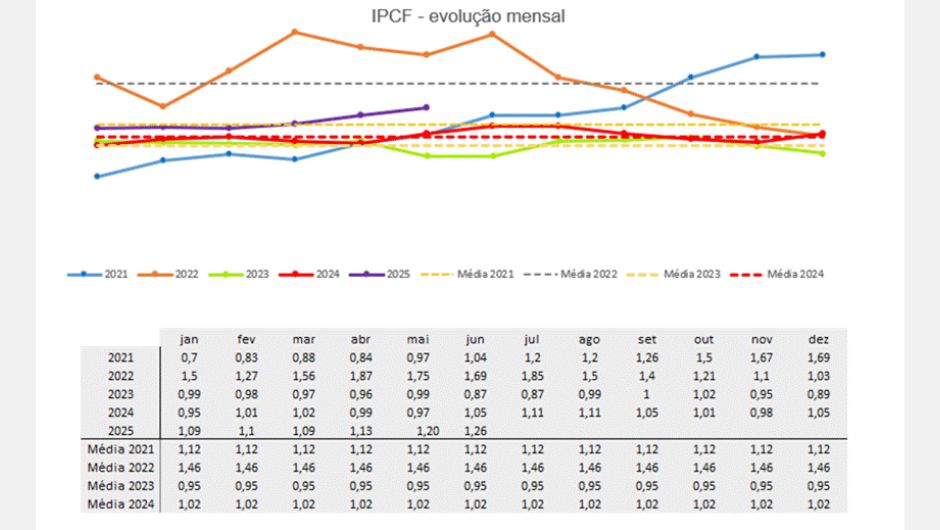
The Fertilizer Purchasing Power Index (IPCF) for June closed at 1,26, up 4,8% from the previous month. The increase reflects a global scenario marked by geopolitical tensions and fluctuations in agricultural input markets. Despite the appreciation of the real against the dollar, the main pressure on the index came from the rise in fertilizer prices, which rose by an average of 3,7%. Highlights include urea, which rose 9%, followed by phosphate (4%), simple superphosphate (2%) and potassium chloride (1%).
Agricultural commodity prices fell by an average of just over 1% in the month. While soybeans rose slightly by 3% and cotton remained stable, the sharp declines in corn (almost 7%) and sugarcane (around 5%) pulled the overall average down. The decline is directly linked to the good progress of soybean and corn planting in the United States, which continues to have positive prospects, in addition to the harvest of the second crop in Brazil, which has shown good results, especially in the Central-West region. However, the intense cold recorded at the end of the month brought concern, affecting some producing areas in the South of the country.
With the increase in the IPCF during the period, the moment of purchase must be assessed with caution. With the summer harvest approaching and approximately 25% of the market still to be traded, it is essential that decisions are made in advance, avoiding leaving them to the last minute and, thus, reducing potential logistical bottlenecks. The market remains attentive to the weather conditions in the United States and Brazil, which may directly impact agricultural production. On the international scene, the geopolitical context still inspires attention and uncertainty, requiring caution on the part of rural producers.
Receive the latest agriculture news by email


Receive the latest agriculture news by email