




Luxor Agro announces investment in Trailhead, a regenerative agriculture startup fund
Business, which takes place through the Gaia Ventures fund, is the vehicle's first international investment
14.01.2022 | 15:54 (UTC -3)
Risk is something common in the routine of any rural producer. As the farm is an open-air factory, it is necessary to count on good weather conditions throughout the harvest, buy inputs at the right price and also hope that the market is warm when the production is sold. To avoid having to rely on luck or this combination of factors, the solution for farms is to diversify their crops. With this strategy, in recent years the producer and mechanical engineer, Henrique Osório Dornelles, has stood out and become more efficient in the same area with the implementation of crop-livestock integration (ILP).
Administrator of two farms in the municipality of Alegrete/RS, which together total 3.000 hectares, after a few years working in São Paulo, Dornelles decided to return to his hometown to help his father. “We had extensive livestock farming and rice farming on 180 hectares. When I returned, we increased the area, planting 1.000 hectares of the cereal and continuing with extensive livestock farming”, highlighted the producer.
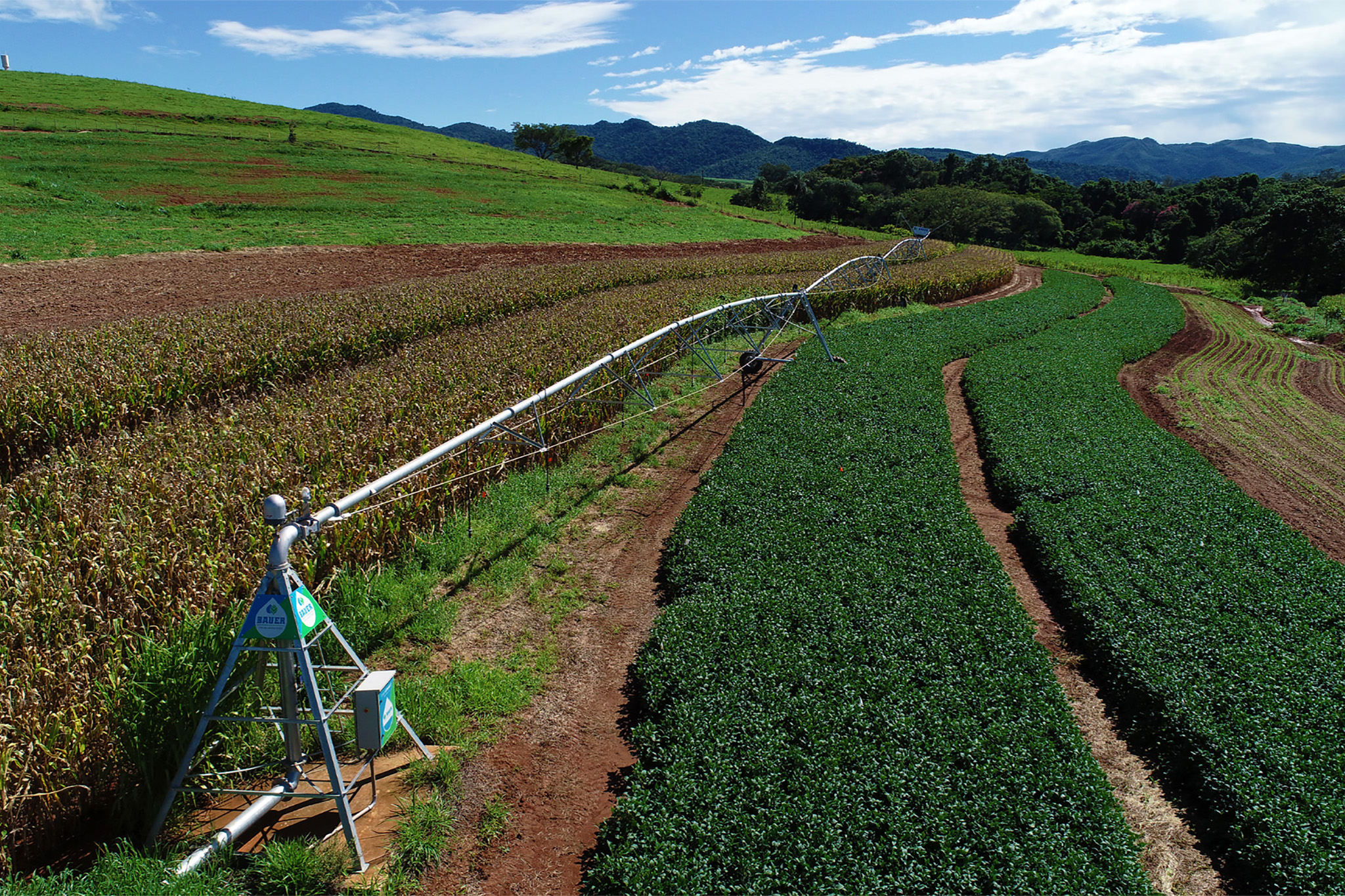
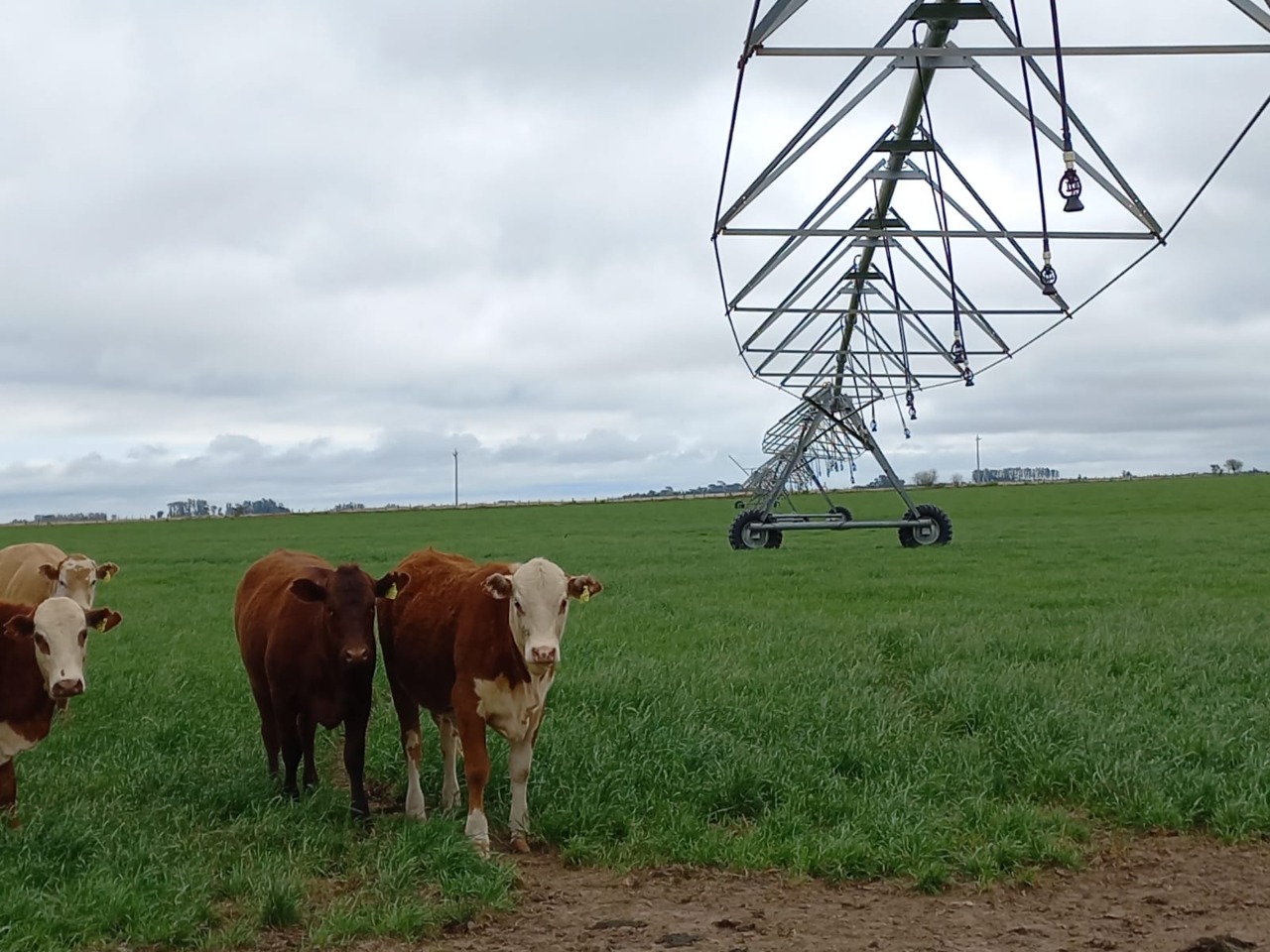
Focused on good management and results, they invested in an irrigation system to expand the range of crops produced. They acquired the first pivots, from the Zimmatic by Lindsay brand, which made it possible to grow soybeans. The pivots were actually planned for an intensification of livestock farming, however soybeans increased in value and it was obvious that over time it occupied the total irrigated area, for a considerable period. But at the same time, livestock farming was intensified in these irrigation areas and we began to rotate with soybeans in the pastures”, he added.
With irrigation, the average per hectare in soybean cultivation reached 70 bags per hectare in the last harvest, while in the non-irrigated area production was 35 sc/ha. According to the producer, the irrigation system provided the farm with greater business security. “We have started to further intensify livestock farming and we also have the ambition to increase the irrigated area, which currently stands at 220 hectares, by at least 50% in the next two years and double the space in a maximum of 5 years”, says the producer.
With an increase in productivity in the irrigated areas and the very well consolidated ILP system, the farm considerably increased its revenue. Furthermore, cash flow became more constant and stable, very different from the scenario of a few years ago. “Only with rice cultivation, for example, our revenue was good, however, it is a very punctual crop, and the graph was always strong ups and downs”, recalled Dornelles.
With the entry of soybeans and more intensive livestock farming, the property was in fact able to stabilize the revenue curve of the business in general. In this way, earnings from crops and livestock also increased. Today the farm has a herd with an average turnover of 2.000 heads, with a focus on beef cattle farming.
Evidently, more intensive production increases the need for cash above all, so good management is necessary. After all, it is necessary to produce more pasture, more food, with the aim of keeping the animals' weight gain curve constantly increasing. “The livestock farming strategy is similar to farming, you have to have strong planning, well in advance. This is what we have invested in and it has worked very well”, concluded the administrator.
Receive the latest agriculture news by email



Receive the latest agriculture news by email