American study indicates lower soybean production costs in Brazil
Research indicates lower total cost in the country, despite higher spending on fertilizers and pesticides
02.11.2026 | 16:26 (UTC -3)
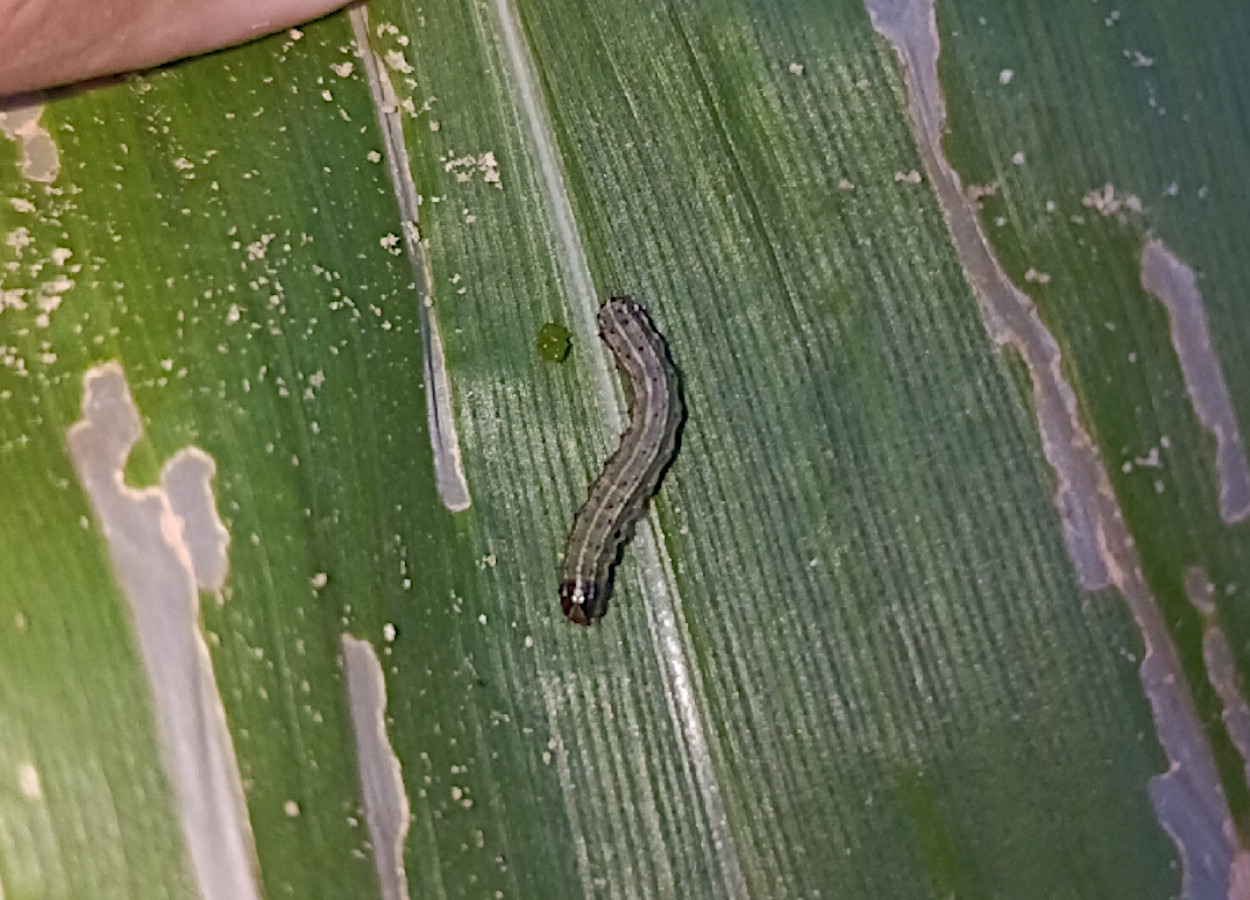
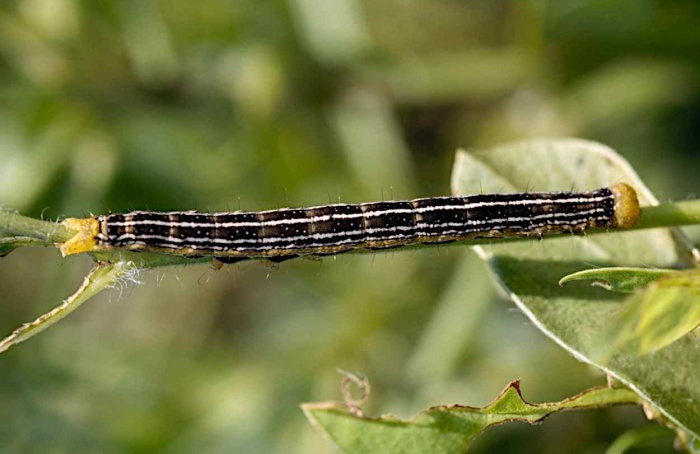
Researchers have identified a gut bacterium capable of increasing the resistance of the fall armyworm (Spodoptera frugiperda) to baculovirus infection SfMNPV. The bacterium Glutamicibater soli preserves the integrity of the peritrophic matrix, the structure responsible for protecting the insect's gut.
The study, with Lin Guo as the first author, investigated the influence of the gut microbiota on the susceptibility of caterpillars to the virus. The scientists used antibiotics to reduce the bacterial populations in the gut. The treatment increased the larvae's susceptibility to SfMNPV infection.
Transcriptomic analyses revealed reduced expression of genes associated with immune defense, digestive functions, and maintenance of the peritrophic matrix. Among seven cultivable bacterial isolates, Glutamicibacter soli showed the ability to increase the resistance of caterpillars after its reintroduction into the intestine.
Prior administration of bacterial culture supernatant or precipitate obtained from cell lysis also increased resistance to the virus. The treatments partially reversed alterations in gene expression caused by the reduction in microbiota, including decreased expression of peritrophin-1.
To investigate the mechanism, the researchers silenced the peritrophin-1 gene using RNA interference (RNAi). The procedure compromised the structure of the peritrophic matrix, increased its permeability, and made the caterpillars more susceptible to baculovirus.
The reintroduction of Glutamicibater soli restored the integrity of the intestinal matrix, which had been damaged by the elimination of the bacteria.
The results indicate the maintenance of this intestinal barrier as an important mechanism of resistance to SfMNPV conferred by the bacterium. The discovery points to possible microbial and molecular targets to improve baculovirus-based pest management strategies (doi 10.1002/ps.71453).
Receive the latest agriculture news by email



Receive the latest agriculture news by email