Inmet: weather forecast for Wednesday (9/9) and Thursday (10/9)
Low-pressure areas and troughs are favoring rain and thunderstorms in south-central Brazil.
08.09.2026 | 17:32 (UTC -3)
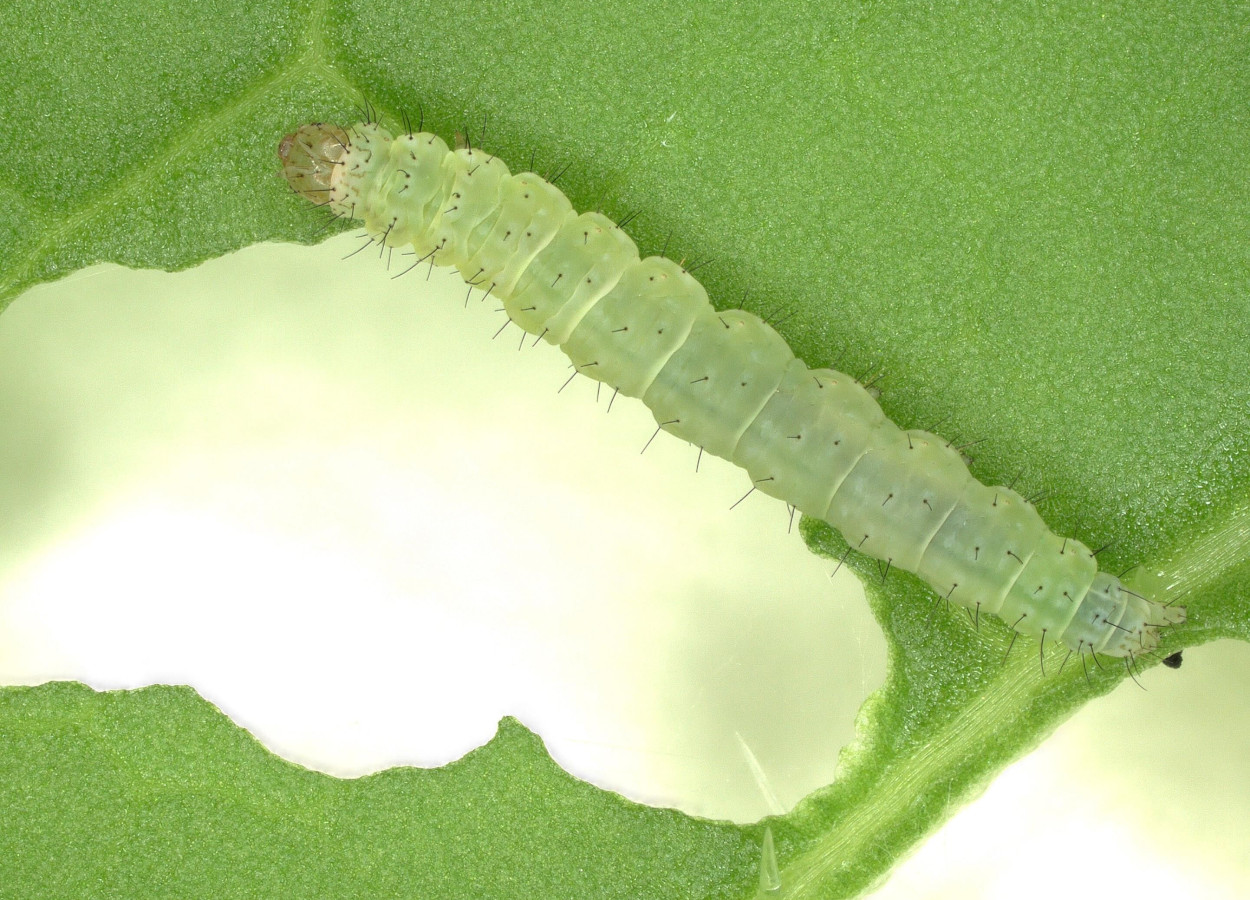
Herbivorous insects utilize different detoxification systems to consume plants rich in specialized metabolites with toxic or deterrent action. Among the main mechanisms are enzymes capable of modifying plant molecules, increasing their solubility, and promoting excretion. Part of this process may also depend on microorganisms associated with the insects.
Detoxification is the most studied strategy, but not the only one. Herbivores also resort to behavioral avoidance, rapid excretion, sequestration of compounds, and target site insensitivity. The relative weight of each of these routes remains unknown, explain scientists Kristina Kshatriya and Jonathan Gershenzon of the Max Planck Institute (doi 10.1016/j.pbi.2024.102577).
Detoxification occurs in stages similar to those described in other animals. In what is called phase I, enzymes promote oxidation, reduction, or hydrolysis of metabolites. These reactions form more polar derivatives. In many cases, the new compounds exhibit lower toxicity and are more easily excreted.
Cytochrome P450s occupy a central position in this process. These enzymes occur in large gene families in insects. Their most common reaction involves the hydroxylation of lipophilic substrates. Studies with Lepidoptera show the participation of P450s in the detoxification of furanocoumarins produced by plants of the Apiaceae family.
The range of substrates varies according to the insect's feeding habits, scientists say. Generalist species tend to have larger families of detoxification genes compared to specialists. The genome of different herbivores can contain up to two hundred genes in some of these families. Few members, however, have yet undergone functional characterization.
In phase II, insects attach polar groups to plant metabolites or to products formed in the previous stage. UDP-glycosyltransferases represent one of the main enzymatic groups involved. These proteins add sugars to different lipophilic molecules.
The two-spotted spider mite, Tetranychus urticae, possesses eighty genes encoding UDP-glycosyltransferases. One of these enzymes can glycosylate different flavonoids. According to researchers, this diversity may contribute to the arthropod's ability to feed on more than one hundred and fifty crops.
Another case involves the whitefly Bemisia tabaci. The insect modifies glycosylated flavonols from tomato plants by adding malonate residues. This transformation reduces the toxicity of these compounds to the whitefly and increases their polarity. The process also facilitates excretion. The gene responsible for malonyltransferase is believed to have originated in plants and reached the insect through horizontal gene transfer.
Glutathione S-transferases also participate in phase II, the scientists say. These enzymes conjugate glutathione to electrophilic regions of certain molecules. Among the targets are isothiocyanates formed after the degradation of glucosinolates.
This mechanism has a physiological cost. Spodoptera littoralis caterpillars were fed a diet with isothiocyanates at a concentration similar to that found in damaged Arabidopsis thaliana leaves for ten days. Glutathione content dropped by up to ninety percent. The level of cysteine, a precursor of glutathione, decreased by fifty percent. The insects also showed a reduction in protein content and body weight.
Plants still have defense systems activated by damage, scientists explain. Some metabolites remain stored as low-toxicity glycosides. The herbivore's feeding disrupts cellular compartments and allows contact between these precursors and plant enzymes. The result can generate toxic compounds.
Glucosinolates, benzoxazinoids, cyanogenic glycosides, and iridoid glycosides comprise this group. Insects have developed distinct strategies to neutralize these defenses.
Diamondback moth caterpillars, Plutella xylostella, utilize glucosinolate sulfatases. These enzymes remove sulfate groups from glucosinolates before the formation of toxic isothiocyanates. Experiments silencing these sulfatases have led to an increase in isothiocyanates. The result included decreased growth, survival, and reproduction of the insect.
Plutella xylostella possesses three glucosinolate sulfatases, each associated with different groups of these metabolites. Expression occurs in the intestine and salivary glands. Thus, chemical processing can begin early in the feeding process.
Other herbivores first allow the activation of plant defenses. Then, they neutralize the toxic products. The conjugation of isothiocyanates with glutathione represents one of the most studied examples.
Sucking insects also face activated compounds, researchers say. In Bemisia tabaci, cyanogenic glycosides can receive an additional glucose molecule. This modification prevents the release of hydrogen cyanide. If the toxic compound does form, the whitefly can convert it into beta-cyanoalanine.
The microbiota expands the detoxification repertoire. One example involves the coffee berry borer, Hypothenemus hampei. The insect completes its life cycle inside caffeine-rich beans. Individuals fed a diet containing antibiotics began to excrete caffeine levels similar to those found in coffee itself. The result indicated the participation of intestinal bacteria in the degradation of the alkaloid.
Researchers isolated Pseudomonas fulva from the gut of the woodworm. The bacterium possesses a gene for caffeine demethylase. Inoculating insects treated with antibiotics with Pseudomonas fulva restored their ability to degrade caffeine.
The microbiota also influenced Plutella xylostella. Larvae kept without intestinal bacteria showed reduced growth after consuming the flavonol kaempferol. Reintroduction of the bacterial community, or a strain of Enterobacter, improved development. This bacterium was able to degrade the compound.
Despite the results, the relative importance of the microbiota remains uncertain. Scientists point to the need for studies capable of separating the contribution of microorganisms from enzymes produced by the insect itself and other resistance mechanisms. Available evidence suggests a possibly greater microbial participation in Coleoptera and Hymenoptera than in Lepidoptera.
Advances in characterizing these pathways also broaden our understanding of plant chemical defenses. Identifying the most easily degraded metabolites can help predict the effectiveness of certain defenses against herbivores. The wide detoxification capacity of insects also offers a possible evolutionary explanation for the high diversity of specialized metabolites found in plants.
Scientists caution, however, that a large part of these transformations has not yet been confirmed as actual detoxification. The toxicity of plant compounds and that of their products metabolized by the insect has rarely been directly compared. Until this test accompanies the chemical, genetic, and enzymatic characterization of the pathways, it remains unclear how much of the herbivores' resistance is explained by detoxification.
Receive the latest agriculture news by email


Receive the latest agriculture news by email