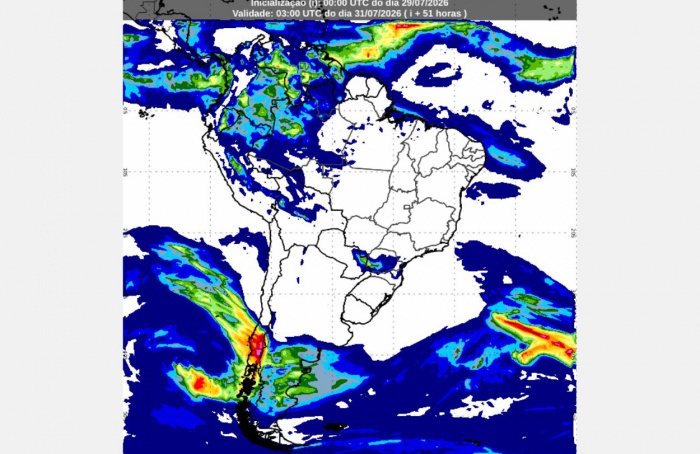
Inmet forecasts dry weather and a longer window for harvesting.
Conditions favor operations with corn, cotton, and coffee in producing regions.
29.07.2026 | 18:22 (UTC -3)
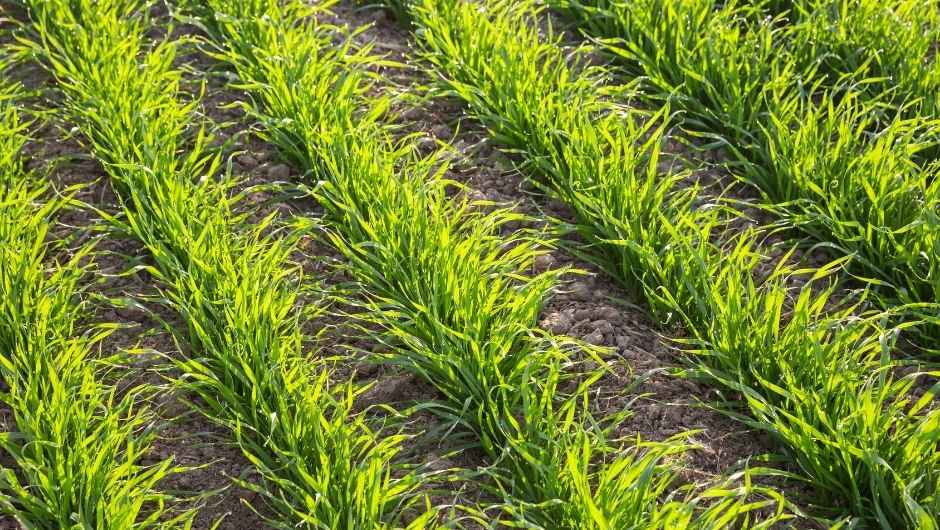
Wheat sowing has been completed in all regions of Paraná, totaling 727,5 hectares. According to the Conjunctural Bulletin released by the Department of Rural Economy (Deral) of the Secretariat of Agriculture and Supply, the area is 11% smaller than that recorded in the previous harvest.
The coordinator of the Economic Outlook Division at Deral, Carlos Hugo Winckler Godinho, explains that the reduction in planted area should result in a smaller harvest. The July projection points to a production of 2,38 million tons, below the 2,88 million tons harvested in 2025. "For this number to be confirmed, the weather needs to continue cooperating, as it has been so far," he assesses.
Despite the reduction in cultivated area, crops are showing the best performance in the last ten years. Currently, 97% of the area is classified as being in good condition and the remaining 3% in average condition, with no areas considered poor.
Nevertheless, the situation demands attention given the high probability (81%) of El Niño reaching very strong intensity in the coming months. So far, the effects on wheat farming in Paraná have been moderate, with excessive rainfall mainly hindering sanitary management in some areas of the Southwest of the state.
The smaller planted area, coupled with weather uncertainties, has sustained the rise in wheat prices. In July, prices received by producers are expected to register their fifth consecutive month of increase, exceeding R$ 70,00 per sack for the first time after nine months below that level. Even so, the monthly average is expected to remain below the R$ 76,97 per sack recorded in July 2025.
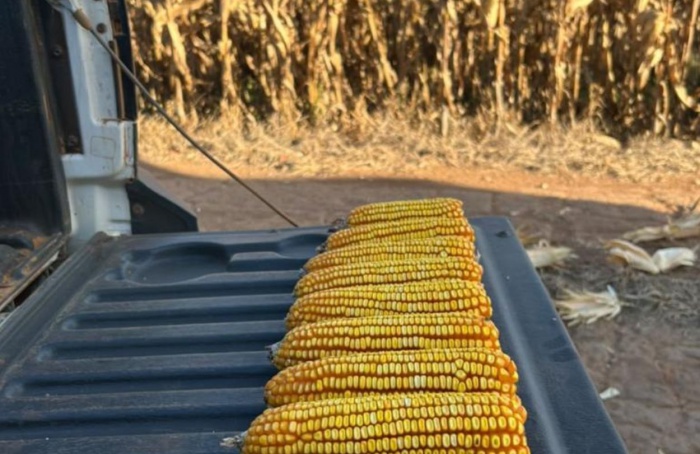
Deral also revised its estimates for the 2025/26 second corn crop, with adjustments to both the planted area and production. According to market analyst Edmar Wardensk Gervasio, the current estimate indicates planting of 2,9 million hectares, a 2,4% increase compared to the previous cycle.
The production forecast has been revised to 17,05 million tons, down from the initial projection of 17,83 million. According to Deral, the reduction is mainly due to a period of drought during crop development, which compromised the productive potential.
To a lesser extent, isolated frosts also affected crop performance. In the field, harvesting has progressed to 38% of the cultivated area. Compared to the last two harvests, the pace remains slower, reflecting later planting in some regions, which delayed the crop cycle.
Receive the latest agriculture news by email



Receive the latest agriculture news by email