BNDES releases an additional R$ 15,3 billion for the 2025/26 Harvest Plan.
Resources support both commercial and family farming, raising approved credit to R$ 30,8 billion.
13.01.2026 | 16:53 (UTC -3)
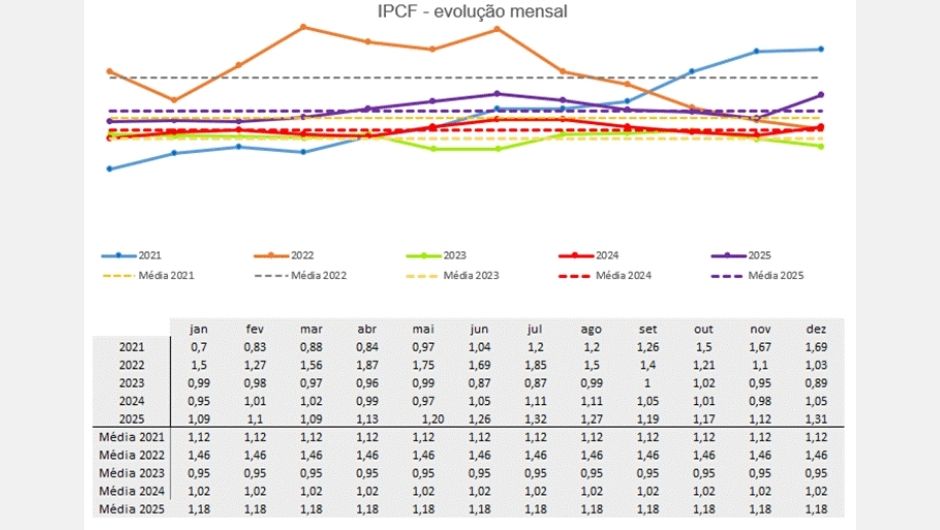
The Fertilizer Purchasing Power Index (IPCF) closed December at 1,31, compared to 1,12 in November. This result reflects a combination of factors, such as the devaluation of agricultural commodities and variations in fertilizer prices.
Also noteworthy is the appreciation of the dollar, which rose 2% during the period, driven by global political uncertainties and the latest domestic economic indicators. This set of factors reinforces the importance of continuously monitoring global variables, especially regarding sulfur—a key input for the phosphate chain—whose supply and demand balance does not, for now, point to immediate normalization.
Commodities registered an average drop of -0,8%, mainly driven by soybeans (-2,3%) and cotton (-2%). This decline was influenced by expectations of a large harvest and the start of harvesting in the states of Paraná and Mato Grosso. Sugarcane and corn remained stable, although corn continues to be pressured by the prospect of a good second crop in Brazil.
Fertilizers showed an average decline of -0,3%, with urea (-2%) standing out, impacted by low liquidity and inventory pressure. Single superphosphate (+3,8%) and potassium chloride (+2,6%) registered increases, supported by higher demand for crop requirements and increased production costs.
The domestic market remains focused on the soybean harvest and the start of the second crop planting, factors that should influence price dynamics in the coming months. Internationally, the phosphate supply chain remains tight, influenced by the temporary reduction in Chinese exports. Meanwhile, global sulfur prices remain firm, supported by increased demand from other industrial sectors, such as batteries. This movement adds further attention to phosphate production costs, albeit gradually and managed by the market.
In 2025, the IPCF recorded an annual average of 1,18, reflecting a year marked by volatility in agricultural and input markets. Despite this scenario, the IPCF demonstrated resilience throughout 2025, reflecting the sector's ability to adapt to international conditions and maintaining a healthy competitive environment for Brazilian producers.
Receive the latest agriculture news by email


Receive the latest agriculture news by email