Heat wave in central-southern areas of the country persists until Saturday
Inmet issued warnings for part of Rio Grande do Sul, western Santa Catarina and Paraná
05.03.2025 | 17:00 (UTC -3)
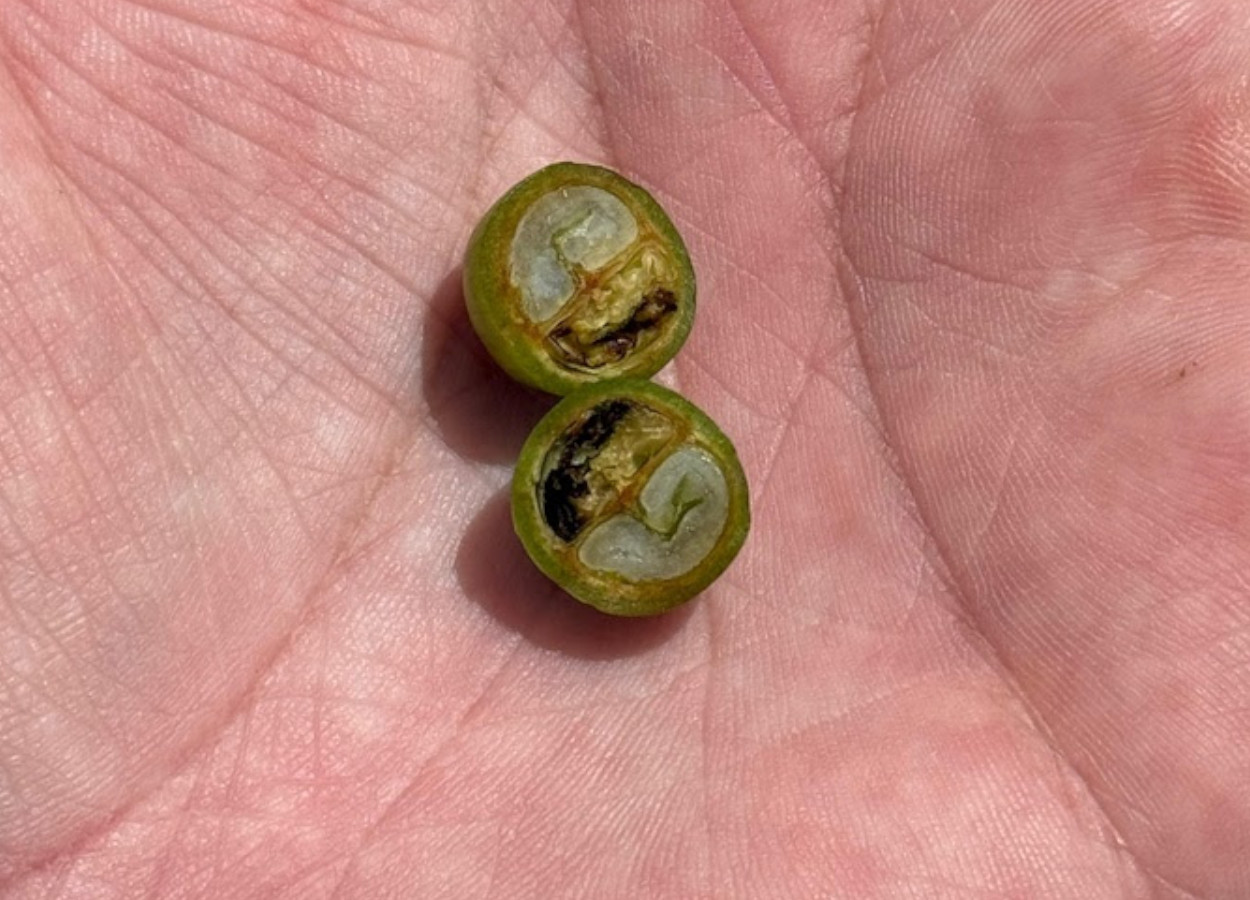
High temperatures and lack of rainfall are severely impacting coffee crops in Brazil, raising concerns among producers and experts. The extreme heat wave is compromising photosynthesis, damaging the formation of beans and increasing the incidence of shriveled and malformed fruits, increasing risks for the 2025 harvest.
According to Marcelo Jordão, an agricultural engineer and researcher at the Procafé Foundation, excessive temperatures can cause necrosis of leaf tissue and leaf burn.
“Intense heat reduces the plant’s ability to capture and use sunlight to produce energy, impacting not only its growth but also the formation of grains. Prolonged exposure to extreme heat compromises the structure of the leaves and reduces their photosynthetic efficiency,” he explains.
The drought further aggravates the situation, causing water stress and impairing the filling of the beans. The impact is more severe in crops with late flowering, which is common this year due to the delay in rainfall. Since the beans still contain a high water content at this stage, they become more vulnerable to dehydration, increasing the risk of deformation and compromising the productivity and quality of the coffee.
Crops with early flowering – stimulated by early rains or irrigation – present a slightly more favorable scenario, as the grains are already at an advanced stage of granulation, reducing thermal damage.
To reduce losses, experts recommend an integrated management approach.
“The adoption of resilient practices is essential to ensure the sustainability of the sector. The use of sunscreens validated by research, well-nourished plants – with an adequate balance of calcium, magnesium, potassium, manganese and nitrogen – and efficient irrigation are factors that help with thermal regulation and reduce the impacts of heat stress,” highlights Jordão.
Faced with this challenging scenario, producers need to monitor their crops closely and implement adaptive management strategies to minimize climate impacts, protecting the productivity and quality of Brazilian coffee.
Receive the latest agriculture news by email


Receive the latest agriculture news by email