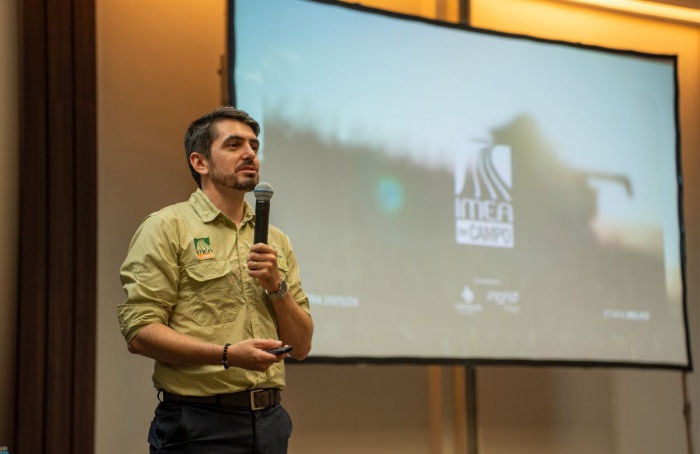
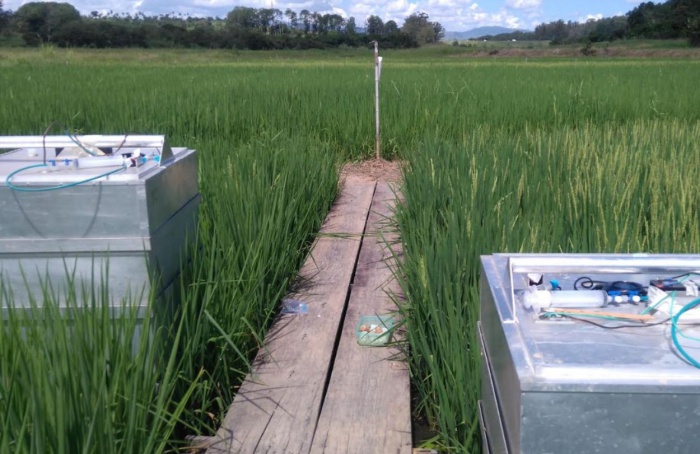
Sicoob leads in rural credit disbursements in Santa Catarina.
Across the entire area served by Sicoob SC/RS, rural credit disbursements totaled R$ 12,6 billion in the 2025/26 harvest.
13.07.2026 | 17:31 (UTC -3)
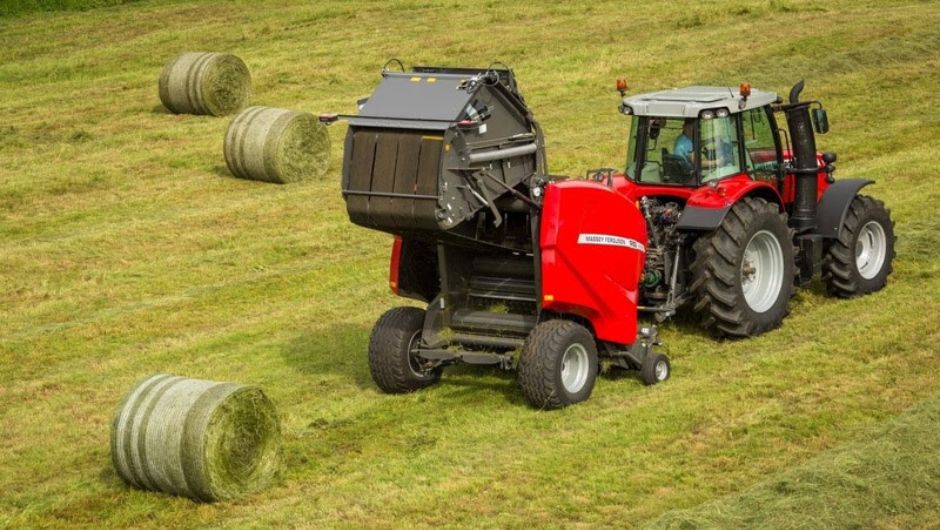
Hay production on one's own property has been gaining ground in the field as an alternative for livestock farmers seeking to reduce costs, ensure quality feed for their herds, and increase predictability throughout the year. What was once seen only as a reserve for periods of pasture scarcity is now part of the strategic planning of many rural properties.
Marcelo Pupin, Product Marketing Coordinator at Massey Ferguson, explains that animal feed represents one of the main expenses in livestock farming. “By depending on purchases from third parties, the producer is subject to product availability, transportation costs, and market price fluctuations. Producing their own hay allows for greater autonomy and contributes to more efficient financial management,” he states.
In addition to cost savings, this practice offers greater control over the quality of feed provided to the herd. "Monitoring all stages of production, from forage development to harvesting and storage, contributes to a more uniform product that is better suited to the nutritional needs of the animals," the expert points out.
Another factor driving this movement is the need for greater security in the face of climate change. Prolonged droughts or out-of-season rainfall can directly compromise pasture availability. “The climate is becoming increasingly unpredictable, and this directly impacts pasture availability. Having a reserve of produced pasture on the farm provides more security to face periods of drought or irregular rainfall,” he explains.
Technology has also played an important role in advancing the activity. The hay production process requires precision in steps such as forage cutting, drying, windrow formation, and baling. Equipment developed for these operations allows for greater speed and better use of weather conditions, reducing losses and increasing the final quality of the product.
Pupin points out that the evolution of equipment has made the process more efficient and accessible. “The quality of the hay depends heavily on the correct timing of each operation. Today there are technologies that help producers gain agility, make better use of the weather window, and reduce losses during the process,” he comments.
In addition to domestic use, hay production can become a supplementary source of income. In several regions of the country, the demand for the product has increased, especially among horse, cattle, and small ruminant breeders. "When the producer manages to have a production exceeding domestic demand, the sale of hay bales becomes a supplementary source of income," concludes Pupin.
Receive the latest agriculture news by email


Receive the latest agriculture news by email