




Soybean architecture reduces brown stink bug parasitism
The increased complexity of the plants reduces the effectiveness of Telenomus podisi and may require adjustments in releases
23.08.2026 | 13:42 (UTC -3)
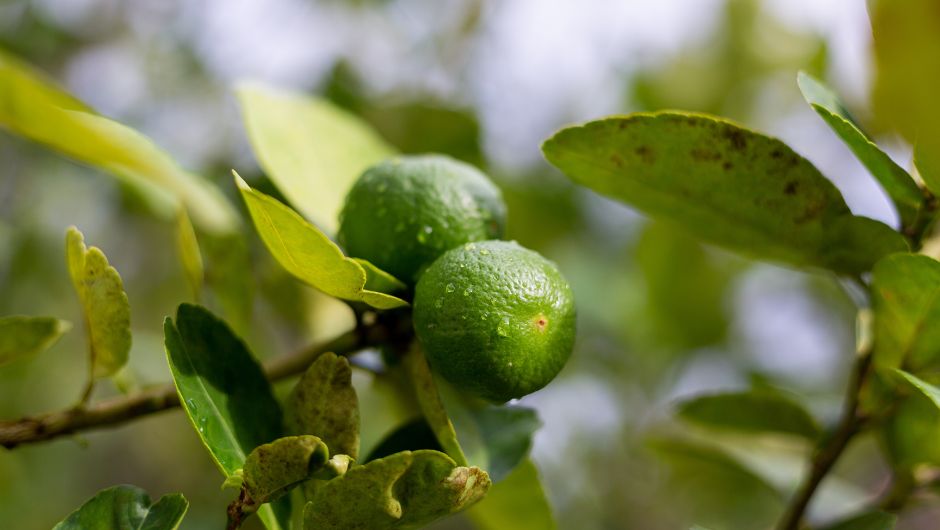
Brazil is among the world's largest lemon producers, but citrus farming faces challenges in maintaining supply due to the occurrence of citrus greening, a disease that compromises orchard productivity and can lead to the eradication of infected plants. The crop represents 8% of national citrus production, with 97% being the Tahiti variety.
“The disease is caused by the bacterium Candidatus Liberibacter spp transmitted by the psyllid Diaphorina citri. Despite measuring only up to 3 millimeters and having a lifespan of 12 to 43 days, the insect has a high reproductive potential, with females capable of laying 600 to 800 eggs. By feeding on the sap of lemon trees, it also weakens the plants and expels a substance that can attract ants,” explains Fabio Kagi, regulatory affairs manager at Sindiveg.
Also known as Huanglongbing (HLB), citrus greening presents signs such as yellowing leaves or leaves with irregular spots. Fruits do not ripen normally and may remain small, deformed, and asymmetrical. Young plants can be completely compromised in one or two years, while adult trees take three to five years to die.
"Without an available treatment, the only alternative to contain the spread of the disease is through the complete elimination of infected trees, which can generate economic impacts, reducing the supply of the fruit and its derivatives," he warns.
According to the manager, the strategy to reduce the spread of the disease begins with frequent monitoring of crops and the adoption of integrated psyllid management. This process involves using insecticides with different mechanisms of action, an important measure to prevent the development of resistance. The labels and package inserts of the products display, just below the brand name, a table with numbers indicating the respective mode of action.
"Early diagnosis and vector control are fundamental to reducing the impacts of citrus greening on orchards. Therefore, monitoring the plants and adopting management measures should be part of the producer's routine," he states.
Receive the latest agriculture news by email



Receive the latest agriculture news by email