Inmet: weather forecast for Wednesday (9/9) and Thursday (10/9)
Low-pressure areas and troughs are favoring rain and thunderstorms in south-central Brazil.
08.09.2026 | 17:32 (UTC -3)
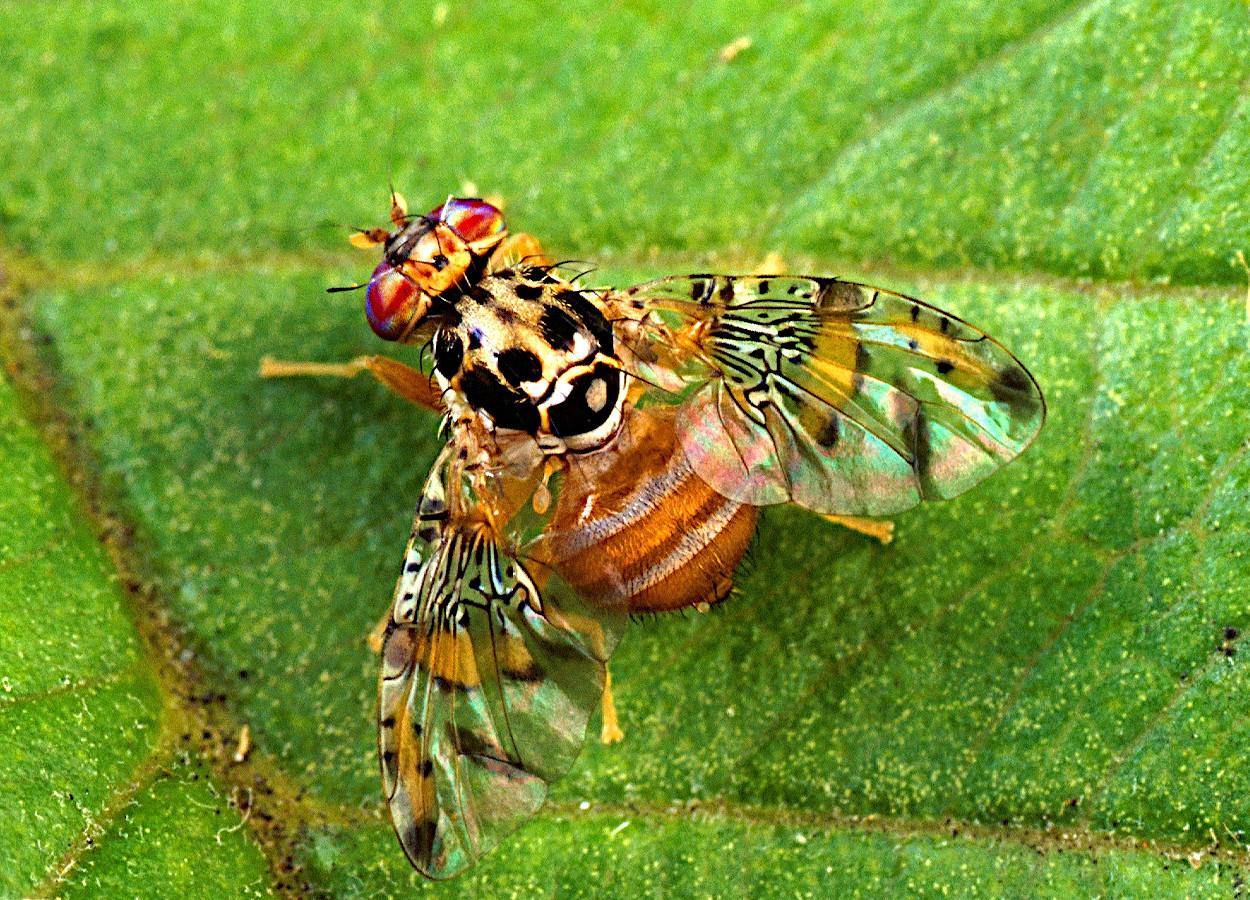
A heterogeneous duplication of the Ccace2 gene favors the maintenance of malathion resistance in Ceratitis capitata populations. The mechanism showed a lower adaptive cost than the isolated G328A mutation. The result helps explain the persistence of resistance even after insecticide withdrawal.
Spanish scientists evaluated two mechanisms. The R allele contains the G328A mutation in the acetylcholinesterase gene. The RS haplotype has two copies of Ccace2: one mutated and one without the mutation. Bioassays indicated semi-dominant resistance in both cases.
The R/R genotype showed the worst performance in biological characteristics. Development from egg to pupa was delayed by about two days. Pupa weight decreased by 9,5% compared to the susceptible S/S genotype. The RS/RS genotype showed a pupa weight similar to S/S and intermediate development.
The difference also appeared in genetic stability. Without selection pressure in the laboratory, the frequency of the R allele fell from 68% to 1,4% after 24 generations. The RS haplotype fell from 75% to 9% after 29 generations.
Monitoring of seven localities in the Valencian Community reinforced the result. The frequency of the R allele decreased from 18,6% during malathion use to 4,6% six years after its withdrawal. The RS haplotype varied between 5,4% and 10% during the same period.
An evolutionary model also attributed a higher adaptive cost to genotypes carrying the R allele. In simulations of the eventual return of malathion, greater exposure and a higher number of applications accelerated the selection for resistance. The RS/RS genotype became predominant in scenarios associated with loss of control (doi 10.1002/ps.71269).
Receive the latest agriculture news by email


Receive the latest agriculture news by email