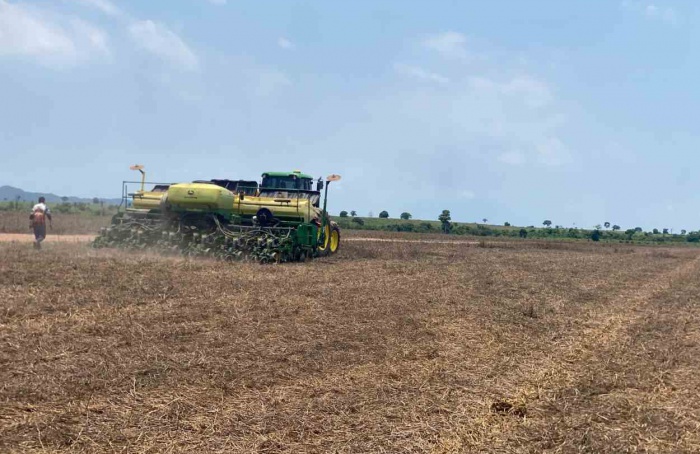
STIHL presents stationary engines and lawnmowers at Hortitec.
The company is showcasing a new generation of engines and four models of combustion-powered lawnmowers at the trade fair.
17.06.2026 | 17:27 (UTC -3)
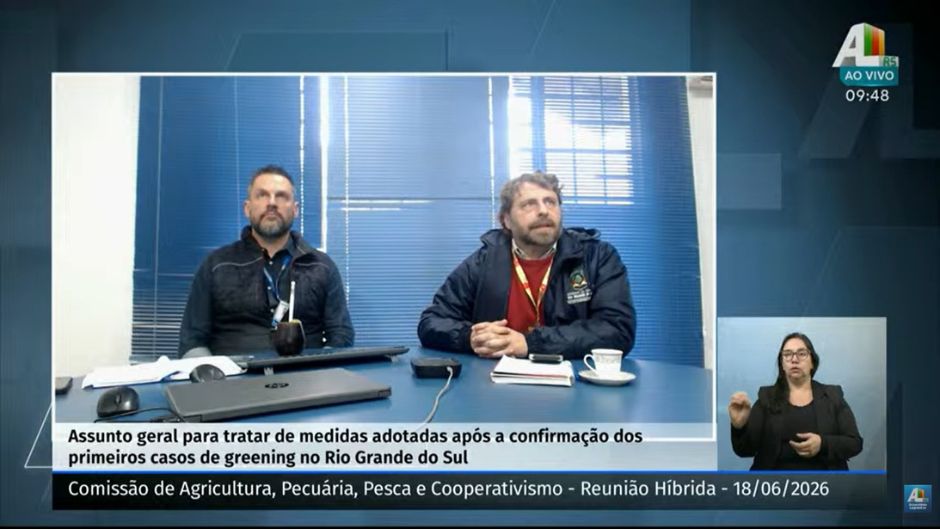
Following the confirmation of the first outbreak of human greening (HLB) in Rio Grande do SulA task force mobilized by the Secretariat of Agriculture and the Ministry of Agriculture (Mapa) has already inspected 522 properties and eradicated 201 citrus plants in Palmitinho, in the Médio Alto Uruguai region. The teams have been working to contain the spread of the disease by eliminating infected plants, controlling the vector insect, and monitoring areas neighboring the outbreak.
In presenting an overview of the situation to the Agriculture, Livestock, Fisheries and Cooperativism Committee, the director of the Plant Protection Department of the Secretariat of Agriculture, Ricardo Felicetti, highlighted that the emergency protocol was put into practice immediately after the disease was confirmed.
Inspection and eradication efforts within a 500-meter radius of the fire outbreak have already been completed, while actions in the 2,4-kilometer monitoring area are in their final phase. The next step involves the possible expansion of surveillance to neighboring municipalities, with the aim of identifying any occurrences early.
The actions follow the guidelines of the National Huanglongbing Prevention and Control Program (PNCHLB). The main target is the psyllid. diaphorina citri, an insect responsible for transmitting the bacteria associated with citrus greening.
As of Wednesday (June 17), teams had inspected 42 properties located within a 500-meter radius of the property where the disease was identified. Within this perimeter, 178 plants were eradicated, 100 samples were collected for laboratory analysis, and another 217 plants without symptoms of the disease were inspected.
Within the expanded radius of 2,4 kilometers, 480 properties were inspected. The teams collected 70 samples for analysis and identified 13 properties requiring the eradication of citrus trees, resulting in the removal of a total of 23 plants.
According to Felicetti, the large number of citrus plants found in urban areas led to the expansion of surveillance efforts. "Since we saw many citrus plants in people's yards, we opted to expand monitoring in the urban area and, in the coming weeks, we will conduct further surveys in the rural area," he stated.
The superintendent of the Ministry of Agriculture in Rio Grande do Sul, José Cleber Dias de Souza, stressed that the situation is under control and that there is no reason for alarm. According to him, state and federal teams remain mobilized and are working in a coordinated manner to contain the outbreak identified in Palmitinho.
“We have the structure and personnel working to contain the disease. The Ministry maintains agreements and joint actions with Seapi to strengthen the state's plant health defense, and all protocols are being followed systematically,” he stated.
Considered one of the main threats to citrus farming worldwide, citrus greening has no cure. The disease compromises productivity, reduces fruit quality, and can lead to the death of plants. Therefore, the rapid identification and elimination of outbreaks are considered essential measures to protect citrus orchards in Rio Grande do Sul.
Receive the latest agriculture news by email



Receive the latest agriculture news by email