Agricultural Market - 22.Sep.2026
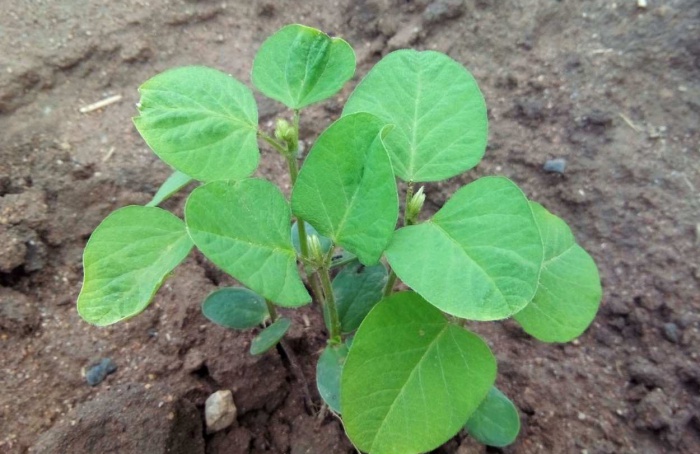
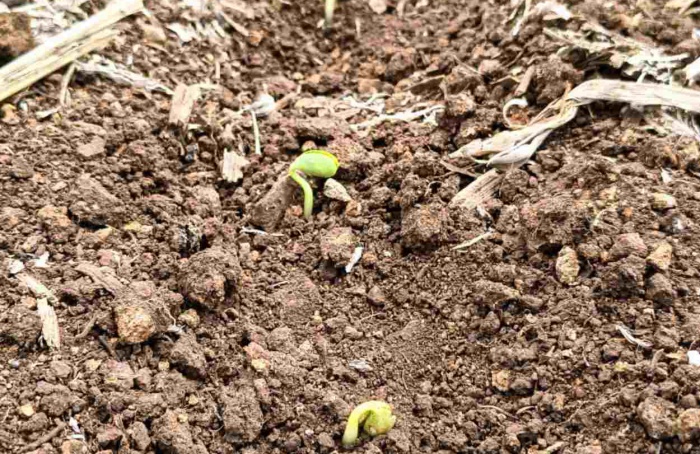
Soybean production advances in the US, while Brazil maintains strong exports.
22.09.2026 | 19:09 (UTC -3)
Embrapa Amazônia Ocidental is participating, this Saturday (September 26th), in the Field Day on Moko Disease in Bananas, in Caroebe, in southern Roraima. The event will take place from 8 am to 12 pm and is part of the actions to structure the contingency plan developed by the Roraima Agricultural Defense Agency (Aderr) to contain the impacts of the disease on local production.
Caroebe maintains commercial relations with the Amazonas market and is considered the main banana-producing center in Roraima. The occurrence of Moko disease, also known as bacterial wilt, reinforces the need for technical guidance for producers due to the potential impacts on banana plantations and the region's economic activity.
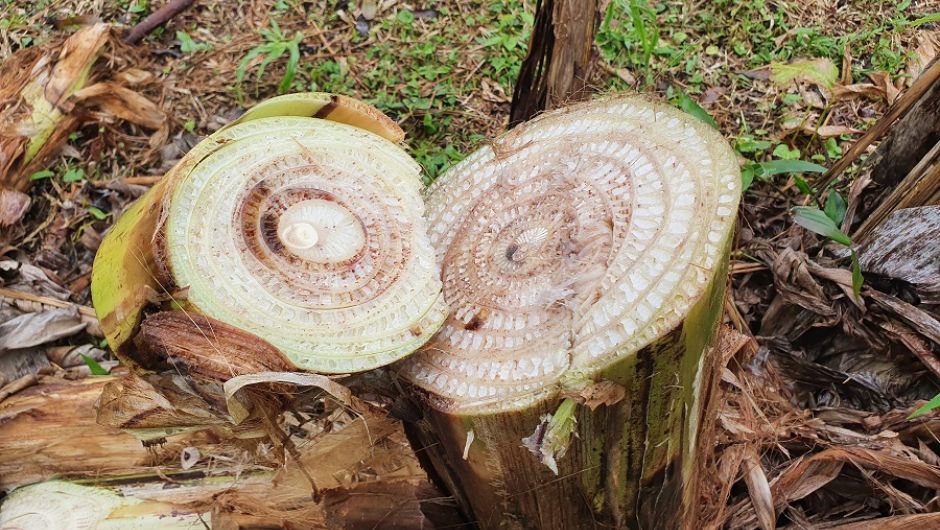
caused by bacteria Ralstonia solanacearum Race 2, the disease affects the vascular system of plants and can compromise production. Currently, there are no resistant cultivars or chemical control capable of curing infected plants, which makes prevention, diagnosis, and eradication measures fundamental to containing its spread.
Research on the pathogen's behavior in the Amazon details the manifestation of symptoms in different parts of the banana plant and contributes to early diagnosis by producers and rural extension technicians.
The studies also supported the validation of a disease eradication protocol in upland areas. Since the bacteria depend on the remains of host plants to survive and do not have long-lasting resistance structures in the soil, the method recommended by Embrapa involves a 24-month fallow period.
During the Field Day, plant pathologist and researcher Luadir Gasparotto from Embrapa Amazônia Ocidental will present methods for the chemical eradication of focal plants, as well as biosecurity measures for crop management.
Among the main recommendations is the disinfection of machinery, tools, and footwear used in cultivation areas. This measure aims to prevent the spread of the bacteria from contaminated areas to healthy crops.
The program will also include lectures and field visits, with assistance and technical guidance for rural producers in Roraima. The Embrapa team will address the identification of symptoms of Moko disease in bananas, early diagnosis protocols, biosecurity measures, and recommended procedures for containing the disease in local plantations.
Receive the latest agriculture news by email



Receive the latest agriculture news by email