Inmet: weather forecast for Thursday (16) and Friday (17)
Storms return to Rio Grande do Sul; cold front keeps rain in eastern Northeast Brazil.
15.07.2026 | 16:51 (UTC -3)

The Fertilizer Purchasing Power Index (IPCF) ended the month at 1,42, a result 7,5% lower than that recorded in May 2026. The drop mainly reflects the combination of a decline in agricultural commodity prices and a reduction in the average cost of the main fertilizers used in the country.
Despite the decline in commodity and input prices, the exchange rate acted as a partial offsetting factor. The dollar rose 3% during the period, which helped to contain a sharper reduction in the IPCF (Consumer Price Index).
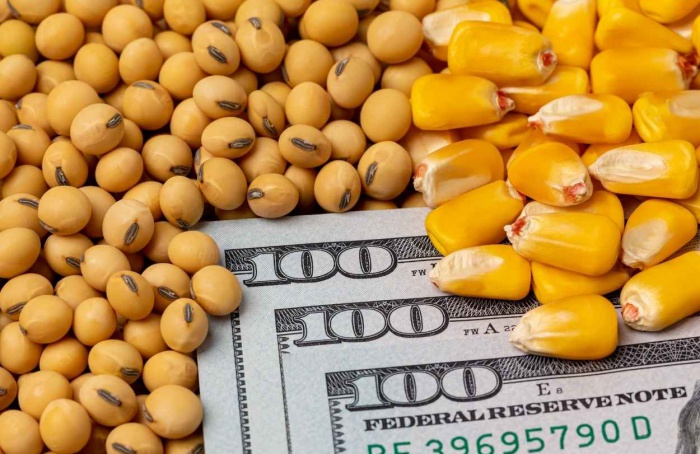
In the commodities market, there was an average drop of approximately 3% during the period. This movement was observed in relevant crops such as soybeans, with a decline of 1,1%; corn, with a drop of 5,2%; cotton, with a decrease of 3,2%; and sugarcane, with a decrease of 4%. This behavior is related to the increase in supply in the market and the entry of volumes from the Brazilian harvest, in addition to the beginning of the second corn crop harvest, which intensified the pressure on prices.
Regarding fertilizers, prices fell by an average of about 8% during the month. The decline was mainly driven by a 30% reduction in urea prices and a 9% drop in the price of single superphosphate. On the other hand, prices for MAP (monoammonium phosphate) and MOP (potassium chloride) remained stable.
In the domestic market, with the approach of the summer crop planting season, there is increased attention being paid to acquiring the remaining fertilizers for soybean planting, especially phosphorus. The international scenario remains unstable. The weaker oil prices have contributed to an environment of less pressure on commodity prices.

Receive the latest agriculture news by email


Receive the latest agriculture news by email