Mosaic reports a loss of US$72 million in the third quarter
The result contrasts with a profit of US$411 million in 2025; Brazilian operations register a drop in sales
03.11.2026 | 19:01 (UTC -3)
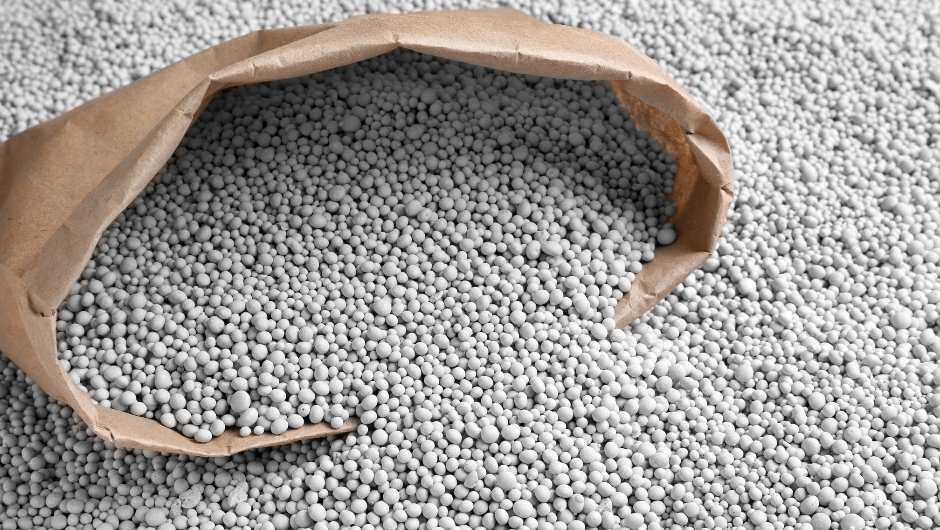
The National Association for the Diffusion of Fertilizers (Anda) reported that fertilizer deliveries to the Brazilian market in the first eight months of 2026 totaled 27,31 million tons. This represents a 10,4% decrease compared to the 30,47 million tons recorded in the same period of 2025. In August, deliveries totaled 4,33 million tons, compared to 5,25 million tons in 2025, a reduction of 17,6%.
Anda notes that the year began favorably, reflecting the positive impact of the good second crop harvest in the first quarter. However, soon after, with the start of the war in Iran in February, there was a slowdown in new business, which was ultimately reflected in the drop in deliveries from May onwards, a cycle that continued in the August data.
The state of Mato Grosso, the leader in deliveries to the market, accounts for the largest quantity in the period from January to August, with 6,77 million tons, or 24,8% of the total. This is followed by: Paraná (3,07 million), Goiás (2,90 million), São Paulo (2,79 million), Rio Grande do Sul (2,24 million), Minas Gerais (2,07 million), and Bahia (1,96 million).
National production of intermediate fertilizers ended August 2026 at 418 tons. This volume represents a 40,2% decrease compared to the same period last year. The accumulated total for the first eight months of the year was 3,75 million tons. This represents a 22,7% decrease compared to the same period in 2025, when 4,86 million tons were produced.
The agency also emphasizes that, despite various efforts due to changes in corporate structure or the resumption of production in assets, not all national production was captured during the period, particularly the production of urea and potassium chloride.
Imports of intermediate fertilizers continue to arrive in Brazil at a reduced rate, totaling 3,03 million tons in August, a decrease of 34%. In the accumulated period from January to August 2026, the total was 24,27 million tons, representing a 12% decrease compared to the same period in 2025, when 27,58 million tons were imported.
At the port of Paranaguá, the main entry point for fertilizers, 5,83 million tons entered the port from January to August, indicating a 17,7% reduction compared to 2025, when 7,08 million tons were unloaded. The terminal accounted for 24% of the total imported from all ports, according to data from the Union of the Fertilizer and Agricultural Corrective Industry in the State of São Paulo and the Ministry of Development, Industry, Trade and Services.
Brazil maintains a high harvest outlook, but enters a critical period for purchasing inputs with slower imports, lower national production, and declining domestic deliveries. The Brazilian harvest continues to grow, which sustains structural demand. What has changed is the financial capacity and the timing of the purchase decision.
Receive the latest agriculture news by email



Receive the latest agriculture news by email