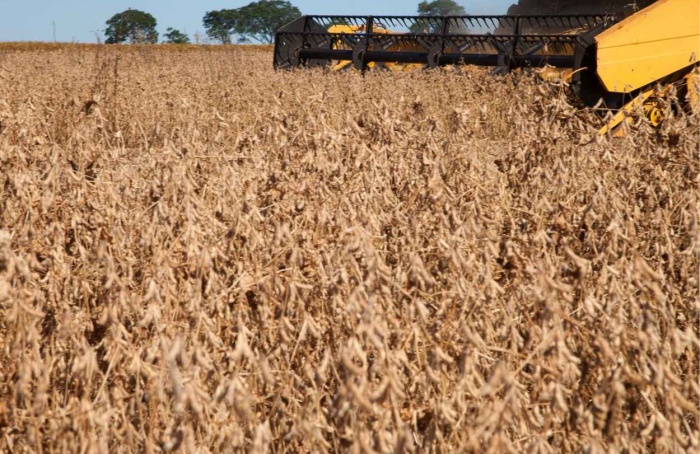
Pirated seeds cause losses of R$ 10 billion per year in Brazil.
The use of illegal materials reduces productivity and generates losses for the seed market.
27.08.2026 | 17:29 (UTC -3)
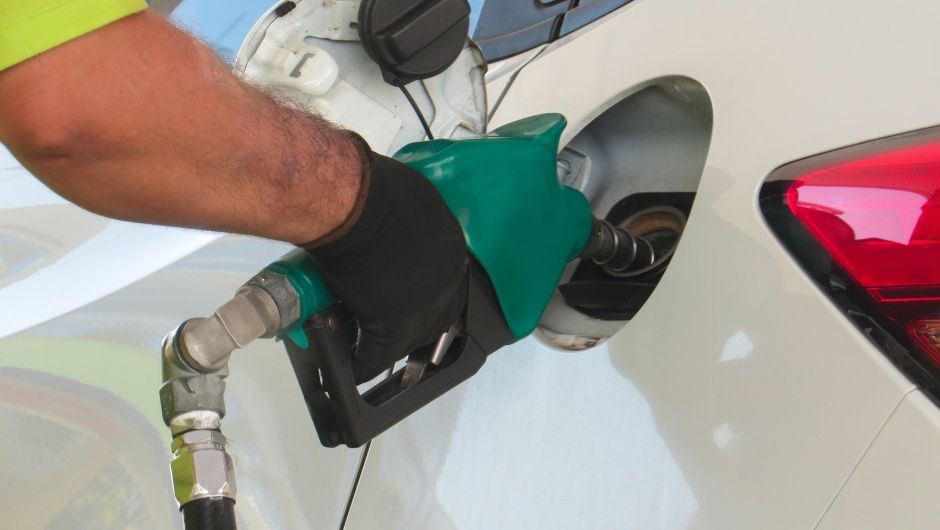
The price of hydrous ethanol rose again to around R$ 2,20 per liter for producers in the first half of August, in a movement that combines the appreciation of sugar, the rise of the real, and the expectation of increased consumption of the biofuel. This reaction occurs after a period of pressure on prices and at a time considered crucial for the market, which still needs to accelerate the absorption of a high supply.
Itaú BBA's Agro Consulting expects demand to gain strength starting in August, favored by the price advantage of ethanol compared to gasoline and the greater number of business days for sales. At gas stations in São Paulo, the average parity between the two fuels has been below 60% since the beginning of June, making ethanol more advantageous for the consumer.
Competitiveness also extends to other markets. Currently, ethanol is more economically attractive in 10 states, which together account for about two-thirds of Brazilian demand for light fuels.
Another factor that should boost demand is the increase in the mandatory blending of anhydrous ethanol in gasoline, which went from 30% to 32% on August 1st. This change expands the structural consumption of the biofuel and represents additional support for the market. The approval of Complementary Law Project No. 114/2026 by the National Congress on August 12th also brought additional protection to the sector, by providing a subsidy of up to R$ 1,2 billion for ethanol.
Despite positive signs on the demand side, the market still faces a scenario of abundant supply. The supply chain needs to absorb approximately 2 billion liters per month to avoid excessive accumulation of carryover stocks. The speed of this absorption will be crucial for price formation in the coming months, especially in an environment of high interest rates, which increases the cost of carrying inventories.
The external market, in turn, remains limited as an alternative for the outflow of production. Since July 22nd, Brazilian ethanol has been subject to a 37,5% tariff in the United States, reducing the product's competitiveness in the North American market. At the same time, the expansion of ethanol produced in the United States to other global destinations increases competition and restricts opportunities for Brazilian exports.
“The recent recovery in prices is a first sign of improvement, but it does not yet represent a consolidated change in the scenario. For the market to truly enter a new cycle of appreciation, it will be essential that the increased competitiveness of ethanol translates into greater consumption and accelerates the absorption of stocks over the coming months,” concludes Mariana Zechin, analyst at Itaú BBA's Agro Consulting firm.
Receive the latest agriculture news by email



Receive the latest agriculture news by email