Essential genes in insects vary between populations
The pangenome of Bombyx mori reveals conserved targets and functions acquired during evolution
15.09.2026 | 14:30 (UTC -3)
Cultivar Magazine
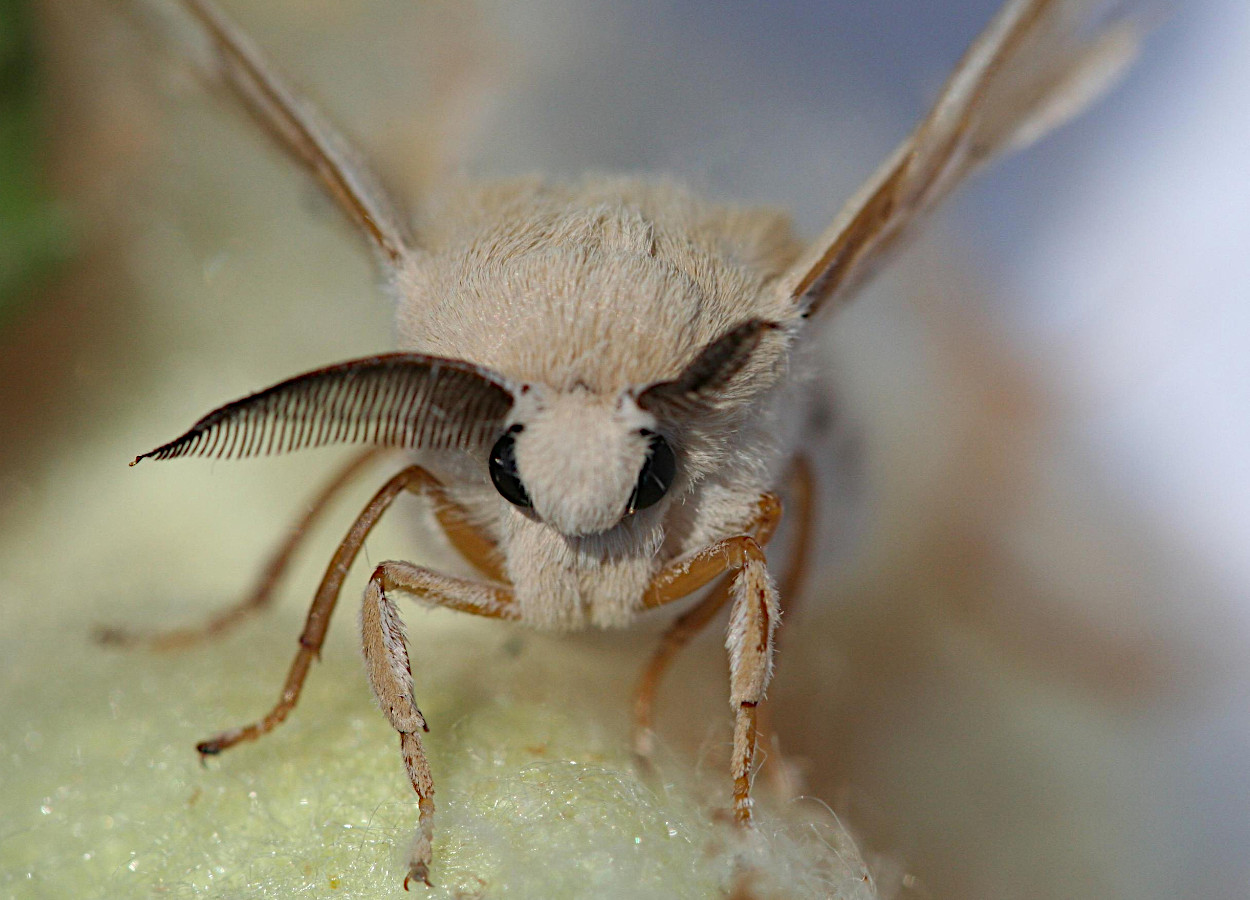
Photo: Lesley Ingram / Bugwood
A study of the Bombyx mori pangenome showed variation in the essentiality of genes from the Semaphorin and Plexin families among different lineages. Researchers identified conserved genes with essential functions in fertility and embryonic development. The work also found accessory genes with specific functions in certain lineages. The results support the search for more durable molecular targets for pest management (doi 10.1127/entomologia/4314).
The team analyzed 101 Bombyx mori genomes and compared orthologous genes from 37 insect species, distributed across five orders. The analysis identified five Semaphorin genes and three Plexin genes in the DZ lineage genome.
Preserved core
BmSema2a and BmPlexinB are part of the conserved core of the population. CRISPR/Cas9 editing showed the essential role of these genes. Loss of BmSema2a reduced female fertility. About half of the eggs remained unfertilized. Changes in the protein composition of the eggs accompanied the phenotype.
Inactivation of BmPlexinB increased embryonic mortality. Mutants exhibited low motility and failed to rupture the chorion. BmSema2b, classified as soft-core, also caused embryonic lethality after knockout.
Other genes
Genes not belonging to the conserved nucleus showed distinct responses. The loss of BmSema1b, BmSema5b, and BmPlexinC did not cause apparent alterations in development or reproduction. In contrast, BmPlexinA acquired an important function in the DZ lineage. Its inactivation impaired wings, locomotion, and the development of the female reproductive system.
The researchers concluded that genetic essentiality depends on the population context. Genes present in all lineages tend to conserve critical functions, while accessory genes can acquire essential roles after functional and regulatory divergence.