Lycorine affects detoxification in Spodoptera litura
Alkaloid represses CYP6AE genes, reduces P450 activity, and increases larval mortality
21.06.2026 | 16:27 (UTC -3)
The state of Rio Grande do Sul is expected to face a high-risk climate scenario in the next three months due to the forecast of a strong El Niño event. According to the Quarterly Bulletin of the Permanent Council of Applied Agrometeorology of the State of Rio Grande do Sul (Copaaergs), there is a 100% probability of the phenomenon occurring between July, August, and September 2026, with a 99,4% chance that it will manifest in its most intense form.
The projections are based on information from the APEC Climate Center (APCC) in South Korea and on analyses of the statistical model from the National Institute of Meteorology (Inmet). The document is coordinated by the Secretariat of Agriculture, Livestock, Sustainable Production and Irrigation (Seapi) and brings together contributions from experts from ten institutions linked to agriculture and climate.
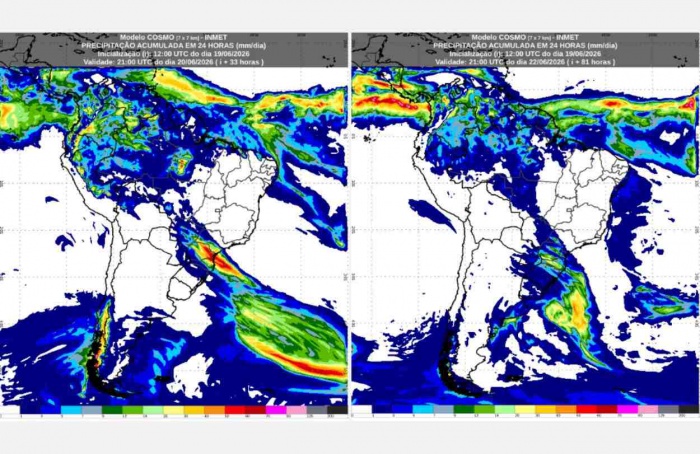
According to the report, the main characteristic of the quarter will be rainfall above the historical average, especially in the northern half of the state. This scenario increases the risk of extreme events, such as floods and waterlogging of agricultural areas.
In addition to excessive rainfall, the winter is expected to bring sporadic cold spells in the first half of the season. However, the prevailing trend is for temperatures to be slightly above average throughout the quarter, especially in the northernmost regions of Rio Grande do Sul.
The combination of high humidity and higher temperatures favors the development of fungal diseases in various crops. Therefore, Copaaergs recommends intensifying phytosanitary monitoring and adopting preventive control strategies.
On the other hand, the increased cloud cover and warming expected for the second half of the period tend to reduce the risk of late frosts, one of the main factors in losses for winter crops and temperate climate orchards.
For wheat, barley, oats, triticale, and rye, experts recommend a conservative approach to investments in the 2026 crop season. The report suggests that producers adjust their input investments to the actual productive potential of the crops, considering the limitations imposed by the environment in El Niño years.
The main recommendations include:
The document also warns of the risk of pre-harvest sprouting in rainy years and recommends harvesting the grains as soon as possible after maturity.
For rice cultivation, the bulletin recommends continuing actions related to the preparation, systematization, and drainage of cultivation areas, aiming to ensure adequate conditions for sowing within the windows recommended by Zarc.
The recommendation is to avoid high investments in areas historically prone to flooding and to pay special attention to drainage after plant emergence, reducing the risk of failures in the initial establishment of the crop.
In spring-summer crops, Copaaergs highlights the importance of maintaining cover crops and respecting the soybean sanitary break.
Also recommended are:
In vegetable crops, the recommendation is to avoid excessive irrigation and prioritize drip irrigation systems. In protected cultivation, cleaning the plastic covers and controlling ventilation are identified as important measures to reduce humidity and the incidence of diseases.
For fruit farming, the bulletin recommends reinforcing conservation practices, reviewing drainage systems, and planning phytosanitary management strategies in advance. The expectation of less cold accumulation during the winter also requires attention from producers of temperate climate fruit trees, especially in planning for dormancy breaking.
Other suggested measures include green pruning to improve orchard aeration, monitoring pollination conditions, and adopting preventive disease control programs, which tend to gain importance in a scenario of frequent rainfall and high humidity.
According to the experts who prepared the report, the quarter will be marked by challenges mainly related to excessive rainfall. Given this scenario, adopting management strategies adjusted to climatic conditions and constantly monitoring weather forecasts will be fundamental to reducing productive and economic risks in the different agricultural sectors of Rio Grande do Sul.
Receive the latest agriculture news by email



Receive the latest agriculture news by email