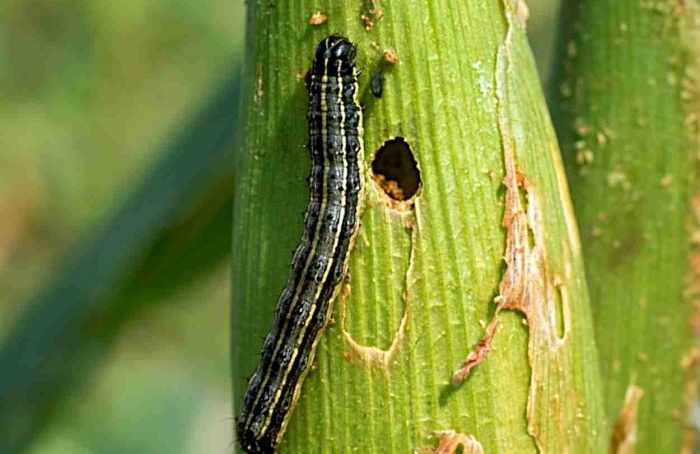
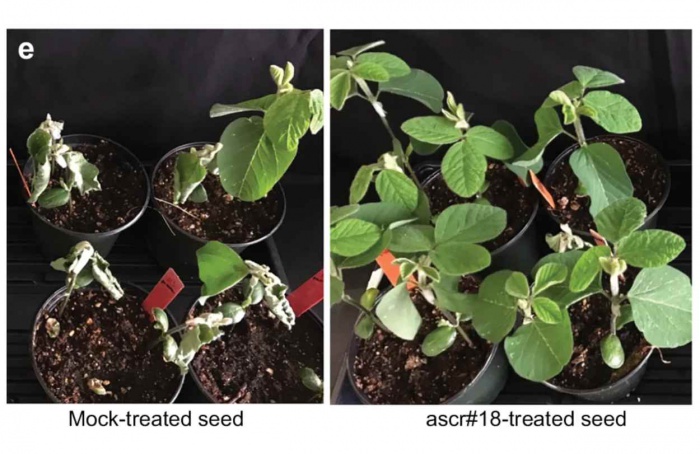
Broflanilide reduces population growth of Helicoverpa armigera, study indicates
Parental exposure affected survival, fecundity, detoxification enzymes, and gut microbiota
30.08.2026 | 11:25 (UTC -3)
The predominantly dry weather in the Midwest and Southeast favored the progress of the harvest and the quality of crops such as second-crop corn and cotton. In the South, on the other hand, excessive rain and low sunlight increased the risks for winter crops, especially wheat. The weather conditions were recorded by the National Supply Company (Conab) between August 1st and 24th.
In the main wheat-producing areas, the vegetation index for the current crop was higher than that recorded in the previous cycle and the historical average in most of the periods analyzed. However, at the beginning of development, the indicator was below that observed in the previous season in Paraná, Santa Catarina, and Rio Grande do Sul. According to Conab, this result is related to the reduction in cultivated area and the more staggered sowing.
Starting in July, the index began to surpass the previous cycle and the historical average, reflecting the good establishment and development of the crops.
In Rio Grande do Sul, heavy rains, high humidity, and periods of low sunlight can cause localized damage to winter crops. For wheat, excess moisture can also compromise plant development and increase the occurrence of phytosanitary problems.
In Paraná, wheat crops showed a slight deterioration, but remain predominantly in good condition. However, the humidity favors fungal diseases, such as powdery mildew and Fusarium head blight, requiring attention from producers.
In Mato Grosso do Sul, blast disease caused losses in the southern and border regions. Despite this, more tolerant varieties are showing yields considered satisfactory. Scattered rains also helped maintain adequate soil moisture levels during grain filling, without harming the maturation and harvesting of the more advanced areas.
In the Midwest and Southeast regions, the predominance of dry weather favored the natural drying of the second-crop corn and allowed for greater progress in operations.
In Paraná, excessive moisture had limited the pace of harvesting between the end of July and the beginning of August. With the reduction in rainfall from the middle of the month onwards, work progressed and reached 73% of the planted area.
In Mato Grosso, the second corn harvest has been completed, with high productivity, favored by weather conditions and investments made in the fields. In Mato Grosso do Sul, improved weather helped to recover some of the delays in operations, with results exceeding initial estimates.
The weather was also favorable for the quality of the cotton fiber. In Mato Grosso, the main producer of the crop, the harvest is well underway and productivity exceeds that recorded in the previous cycle.
In Piauí, yields are also above initial estimates, especially in irrigated areas. In Goiás, the quality of the cotton remains good, despite the water restrictions recorded in the southwest of the state during boll formation.
In Matopiba, which encompasses Maranhão, Tocantins, Piauí, and Bahia, weather conditions favored the quality of cotton and the completion of the second corn harvest. However, Conab confirms losses in corn production caused by lack of rain throughout the growing season.
The uneven distribution of rainfall has most significantly affected the third corn crop. In Sergipe, water scarcity has caused losses and led producers to allocate many areas to silage production.
In Bahia, the drought reduced the productive potential in the northeast of the state. In western Bahia, however, irrigated areas are showing good development. In Alagoas, irregular rainfall also harmed crops, with some areas destined for silage and cattle grazing.
In Sealba, a region encompassing Sergipe, Alagoas, and Bahia, rainfall was insufficient to maintain adequate soil moisture levels for the bean and third-crop corn during flowering and grain-filling stages. However, conditions were considered favorable for crops in the maturation and harvesting stages.
In Roraima, the dry weather reduced soil moisture and may have limited the growth of some soybean and third-crop corn areas.
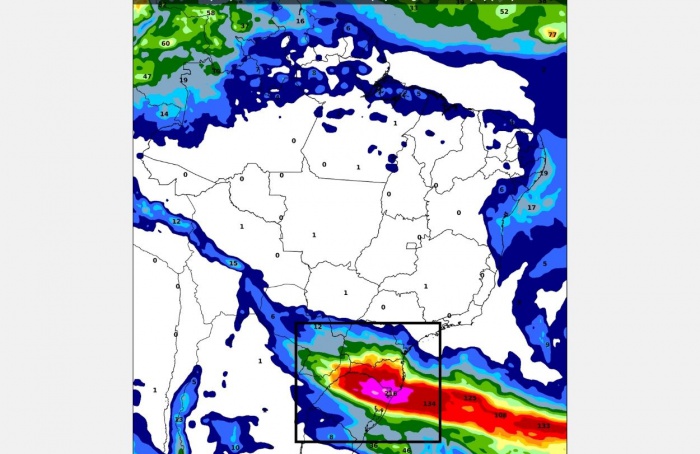
During the period analyzed, the highest rainfall volumes were recorded in the northwest of the North Region, on the east coast of the Northeast, and in the South Region. In the remaining areas of the country, the predominance of dry weather contributed to the maturation and harvesting of summer crops.
For the next stages of the growing season, rainfall distribution remains a determining factor for crop performance, especially for winter crops in the South, where the maintenance of moisture, combined with low sunlight, can increase disease pressure and compromise wheat development.
Receive the latest agriculture news by email



Receive the latest agriculture news by email