US decision changes the course of trade tariffs.
Supreme Court blocks use of emergency law, and the impact could reach billions in compensation.
20.02.2026 | 17:32 (UTC -3)
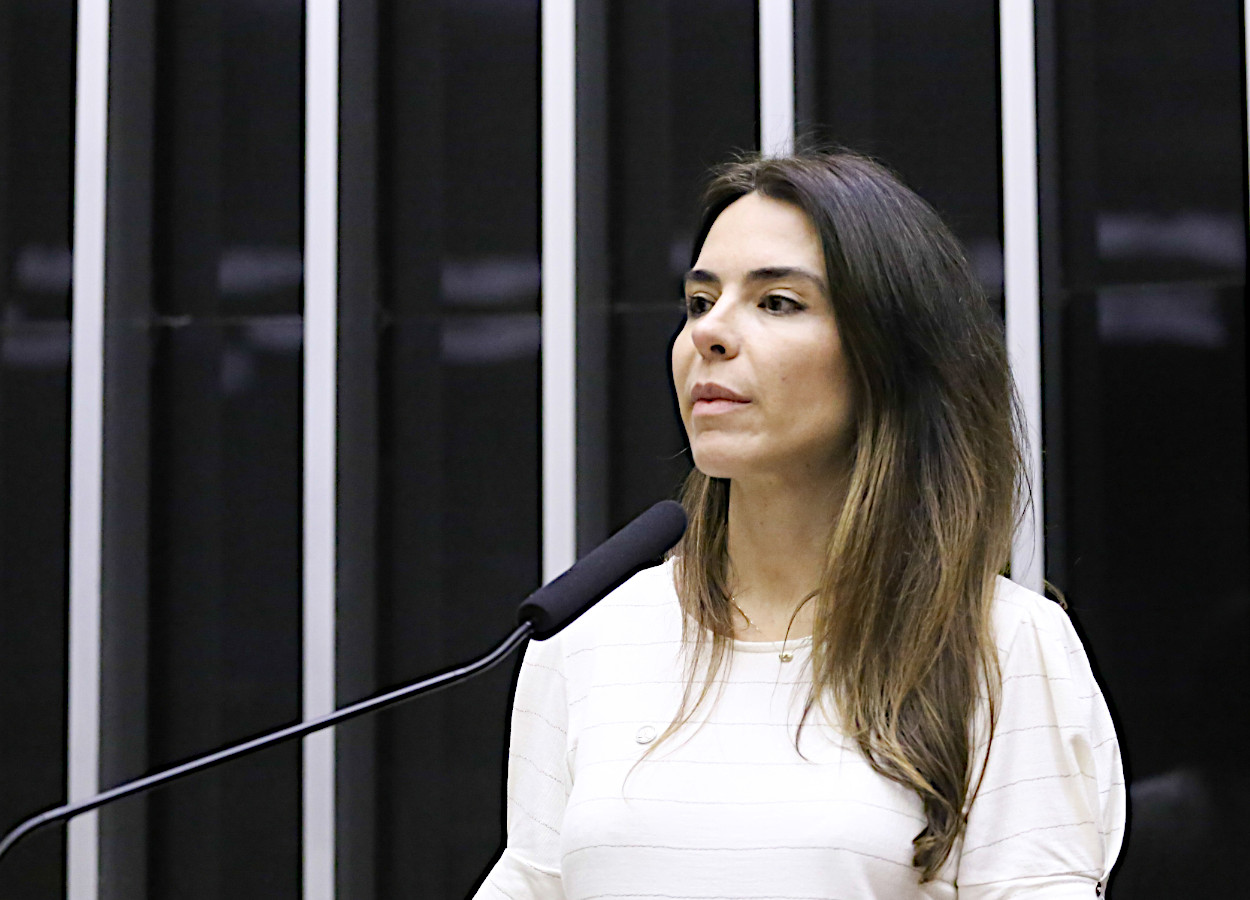
Bill 5686/25 seeks to create rules to protect rural producers in the extrajudicial enforcement of rural credit contracts. The proposal prioritizes agricultural guarantees and restricts the repossession of productive property. The text is currently being processed in the Chamber of Deputies.
The author, Representative Any Ortiz (Cidadania-RS), explains that the intention is to preserve the social function of the property and ensure the continuity of rural activity. The bill stipulates that the extrajudicial enforcement of the guarantee will only occur when provided for in special legislation for the adopted modality.
In the execution of rural credit, the text prioritizes crop liens and the Rural Product Certificate (CPR). The CPR allows the producer to deliver agricultural products or pay in cash in the future. The project ensures the producer's possession of the property during the execution linked to these guarantees.
Before foreclosure on rural property, the guarantor may refer the case to mediation or arbitration. This measure seeks an agreement between the parties. The text prohibits the sale, encumbrance, or transfer of the property during negotiation, mediation, or arbitration, except with the express consent of the producer.
The proposal guarantees the right to review the contract in case of amounts or charges considered abusive or disproportionate. The producer may pay in installments or renegotiate the debt, within legal limits and respecting the social function of the property.
In cases of climate-related losses, the bill prohibits the extrajudicial foreclosure of mortgages for producers and cooperatives that prove losses in two or more consecutive harvests. This rule applies when a state of public calamity or emergency is declared due to drought, flood, hail, frost, or strong winds. In these situations, the agent must promote mediation, renegotiation, productive recovery, or credit restructuring, according to the regulations of the National Monetary Council and the Central Bank.
Any Ortiz stated that extreme weather events impact rural income and increase indebtedness, especially in Rio Grande do Sul. According to the congresswoman, the proposal seeks to balance the right to credit with constitutional principles and prevent the immediate loss of productive properties in a calamity scenario. "The combination of these crises has jeopardized the social function of productive property and regional and national food security," she said.
The text revokes sections of the Civil Code, Decree-Law 911/69, and the Legal Framework for Guarantees. The proposal removes provisions on extrajudicial enforcement of mortgage-backed loans and reorganizes rules on guarantees. It also excludes permissions for extrajudicial search and seizure, sale of property without voluntary delivery, and judicial collection of remaining balances after extrajudicial attempts.
The matter will proceed, in a conclusive manner, to the committees on Agriculture, Livestock, Supply and Rural Development; Finance and Taxation; and Constitution, Justice and Citizenship. To become law, the text needs approval in both the Chamber of Deputies and the Senate.
Receive the latest agriculture news by email


Receive the latest agriculture news by email