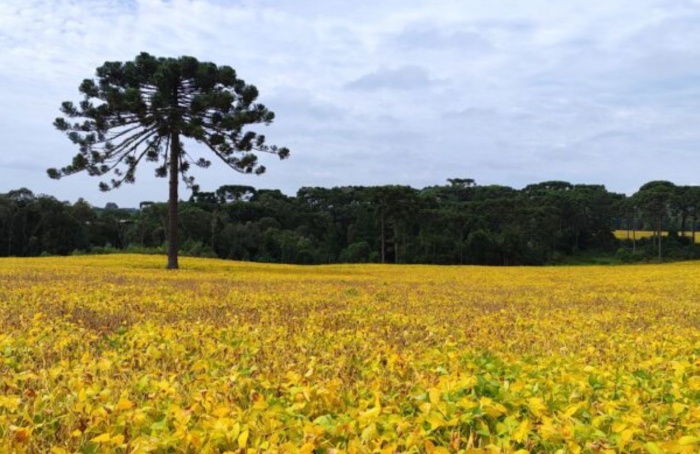
MS Harvest 2026/27: Soybean planting reaches 248,6 hectares
Planting for the 2026/27 crop has progressed to 5,1% of the estimated area, exceeding the pace recorded in the previous cycle.
29.09.2026 | 16:44 (UTC -3)
Diesel S-10 registered the highest increase among the six fuels monitored in the last 12 months: 15,1%, according to the Fuel Price Monitor, an initiative of Veloe in partnership with Fipe (Economic Research Institute Foundation).
In September 2026, the national average price of fuel reached R$ 7,097 per liter, a 2,2% increase compared to August. Regular diesel, in turn, registered increases of 1,9% in the month and 12,7% over 12 months, reaching R$ 6,877 per liter. In the accumulated figures for 2026, both also lead the increases in the national context, with rises of 14,8% and 12,3%, respectively.
September marked a shift in price behavior compared to August, when price decreases predominated. Of the six fuels monitored, four became more expensive at the pumps: hydrated ethanol (+2,4%), CNG (+2,2%), S-10 diesel (+2,2%), and regular diesel (+1,9%). Conversely, regular gasoline fell 0,2% to R$ 6,638 per liter, and premium gasoline decreased by 0,1% to R$ 6,780 per liter. Despite the monthly increase, ethanol remains the only one of the six fuels to register a decrease both in 2026 (-7,3%) and in the last 12 months (-4,1%).
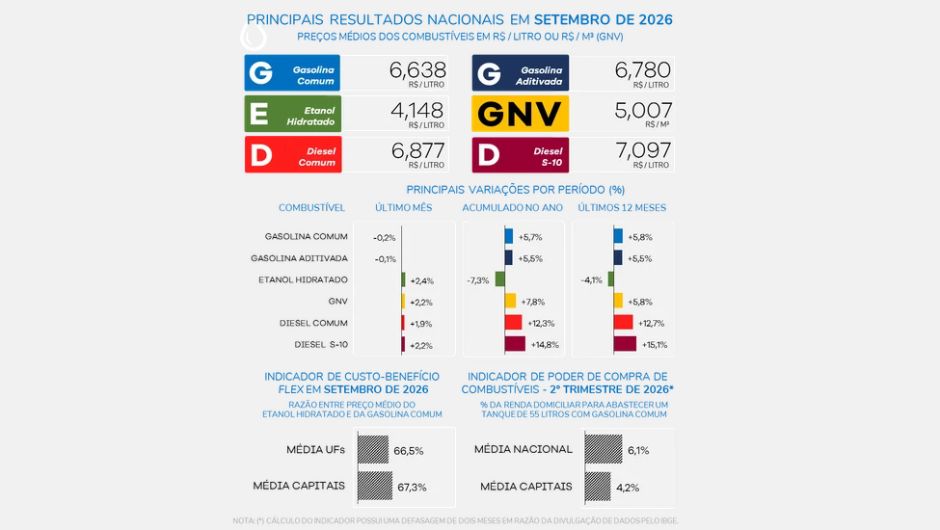
Among petroleum derivatives, diesel remains the main highlight of the price increase. In addition to the accumulated increases of 14,8% and 12,3% in 2026 for S-10 and regular diesel, respectively, regular gasoline registered an increase of 5,7% in the year and 5,8% in the last 12 months; premium gasoline accumulated increases of 5,5% in both periods.
According to Monitor results, regular gasoline saw a slight decrease of 0,2% between August and September. The highest average regional prices were observed in the North (R$ 7,140) and Northeast (R$ 6,893), and the lowest in the South (R$ 6,423) and Southeast (R$ 6,503).
The behavior of refined products occurs in an international environment still marked by high oil prices and significant differences between external benchmarks and prices practiced in the Brazilian market. For a significant part of the second half of September, oil remained above US$100 per barrel, while import parity calculations indicated a significant divergence, especially for diesel.
Tax changes and subsidy mechanisms also formed part of the domestic context of the period and may have contributed to limiting the contemporary transmission of international fluctuations to prices observed at the pumps.
Hydrated ethanol went from a decline in August to a 2,4% increase in September, reaching a national average price of R$ 4,148 per liter. The increase occurred in four of the five regions: Central-West (+3,7%), Southeast (+3,0%), North (+1,7%) and South (+0,3%).
The Northeast was the only region to register a decline in the month (-1,4%): even with the recovery, biofuel continues to be the only one of the six monitored products with a drop both in the accumulated figures for 2026 (-7,3%) and in the last 12 months (-4,1%).
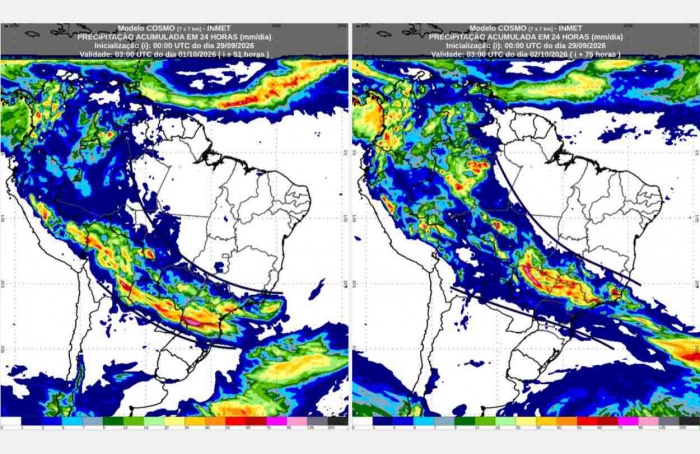
The recent reversal occurred within a context of changes in the short-term balance between supply and demand. Although the outlook for the 2026/27 crop continues to point to high sugarcane and ethanol production, episodes of rain in the Center-South region may have temporarily affected harvesting, raw material transportation, and the pace of milling. On the demand side, the increased use of anhydrous ethanol in gasoline, with the E32 blend in effect since August, also represents an additional element to be considered in market analysis.
The Flex Cost-Benefit Indicator moved away from the historical lows recorded in August. In September, the average price of ethanol corresponded to 66,5% of the price of regular gasoline on average across the states, compared to 65,6% in the previous month. In the capital cities, the ratio increased from 66,2% to 67,3%.
According to the reference classification adopted in the indicator, ethanol presented the best cost-benefit ratio in Mato Grosso (58,5%), São Paulo (59,9%), Mato Grosso do Sul (61,9%), Goiás (63,6%), Paraná (63,7%), Minas Gerais (66,4%), Distrito Federal (66,5%), Bahia (68,0%) and Acre (69,9%). Gasoline, on the other hand, presented the best ratio in Maranhão (78,4%), Rio Grande do Norte (77,7%), Sergipe (75,9%) and Alagoas (75,5%).
The Fuel Purchasing Power Indicator, which in this edition refers to the second quarter of 2026, shows that filling a 55-liter tank with regular gasoline corresponded to 6,1% of the average household income, compared to 5,5% in the previous quarter and 6,0% in the same period of 2025. In capital cities, the percentage increased from 3,7% to 4,2% in the same time frame. The Indicator is calculated quarterly by Fipe based on data from the Continuous National Household Sample Survey (IBGE) and the Fuel Price Monitor.
The result represents a partial reversal of the improvement observed at the beginning of the year, but remains below the levels recorded in the second quarter of 2021 (7,7%) and 2022 (8,8%). As the indicator uses quarterly income and price information, its evolution refers to a different time horizon than that captured by September prices.
Regionally, the portion of income needed to afford a standard tank of regular gasoline was higher in the Northeast (9,6%) and North (8,0%), compared to the Southeast (5,1%), South (5,0%), and Midwest (4,9%). Among the states, the highest percentages were recorded in Maranhão (10,6%), Alagoas (10,2%), Bahia (10,1%), Pernambuco (10,0%), and Ceará (9,8%). At the other extreme were the Federal District (3,0%), São Paulo and Santa Catarina (4,7%), Rio Grande do Sul (5,0%), and Paraná (5,1%).
Receive the latest agriculture news by email



Receive the latest agriculture news by email