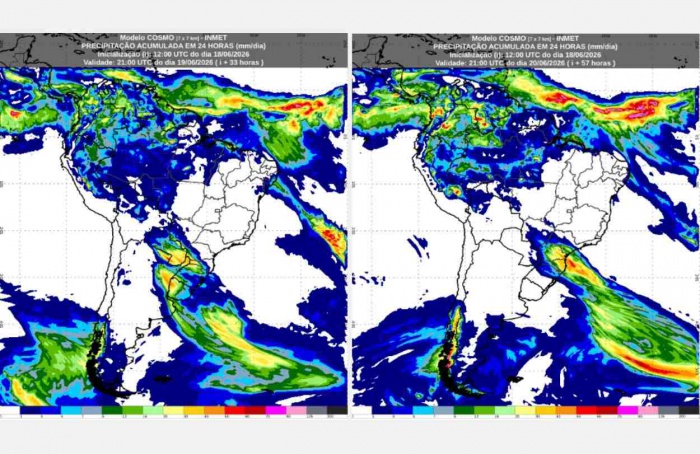
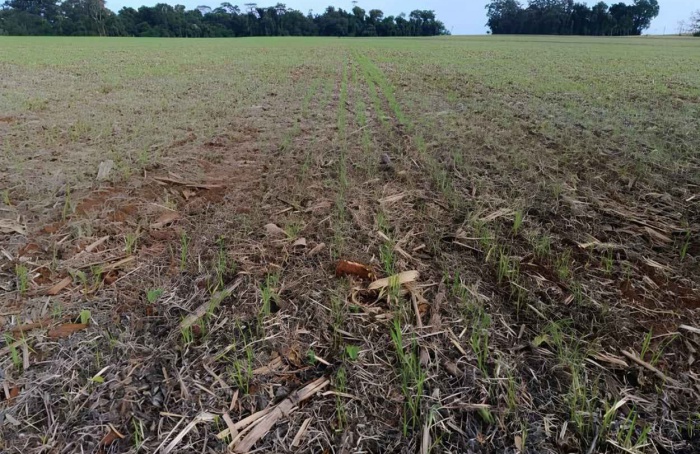
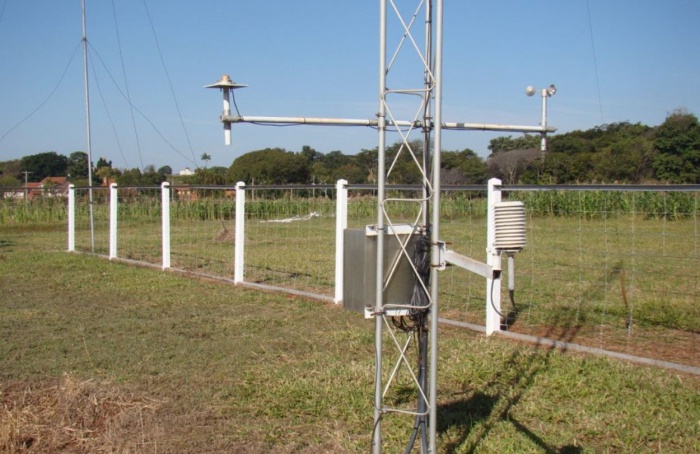
Winter will bring above-average temperatures across Brazil.
Inmet's forecast indicates frosts in the South and above-average rainfall in the region.
18.06.2026 | 17:46 (UTC -3)
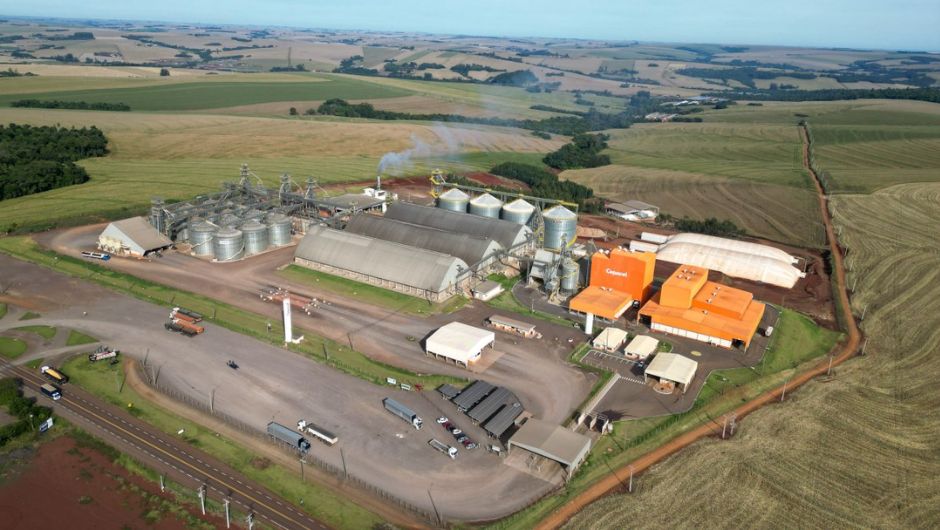
Copacol has invested R$ 1,6 billion over the past six years in expanding and modernizing its infrastructure for receiving, classifying, and storing grains in western and southwestern Paraná. The funds were allocated to improving the facilities, aiming to ensure greater logistical efficiency and storage capacity for the soybean and corn harvests.
The investment report was presented during meetings of the Educational Committees held in the municipalities of Formosa do Oeste, Jesuítas, Nova Aurora, and Cafelândia. According to the cooperative's CEO, Valter Pitol, the investments reflect the growth in agricultural production in Copacol's area of operation, which covers approximately one million hectares.
"We have many ongoing projects to advance both the productive performance of crops and the storage of grains. This investment made over the years results in greater security for receiving harvests and sustains production growth," he says.
Currently, the cooperative has 41 units for grains, inputs, and seeds. Recent investments include facilities installed in Brasilândia do Sul, Jesuítas, Corbélia, and Nova Aurora. A new unit is also in the final stages of implementation in Realeza.
In 2026 alone, Copacol has ongoing projects totaling R$ 228,3 million. These projects are part of the cooperative's plan to receive up to 22,5 million sacks of corn in the next harvest.
With the harvest progressing and increased activity at the facilities, the cooperative has also reinforced safety guidelines for producers and transporters. These recommendations include respecting traffic signs, wearing closed-toe shoes, and remaining in safe locations during cargo unloading.
Copacol also warns about preventive measures against fires, especially during the dry season. The advice includes frequent cleaning of agricultural machinery, proper maintenance of electrical installations, and correct fuel storage.
Another point of concern is the presence of venomous animals in rural areas. The firefighter leader of the cooperative, Lucas Pereira de Brito, recommends the use of personal protective equipment, such as boots, leggings, and gloves, as well as inspecting clothing, footwear, and equipment before use. In case of accidents, the advice is to seek medical attention immediately.
Receive the latest agriculture news by email



Receive the latest agriculture news by email