Inmet: weather forecast between September 21nd and 28th
The South, Southeast, and North regions will experience the highest rainfall volumes predicted for the next seven days.
21.09.2026 | 17:11 (UTC -3)
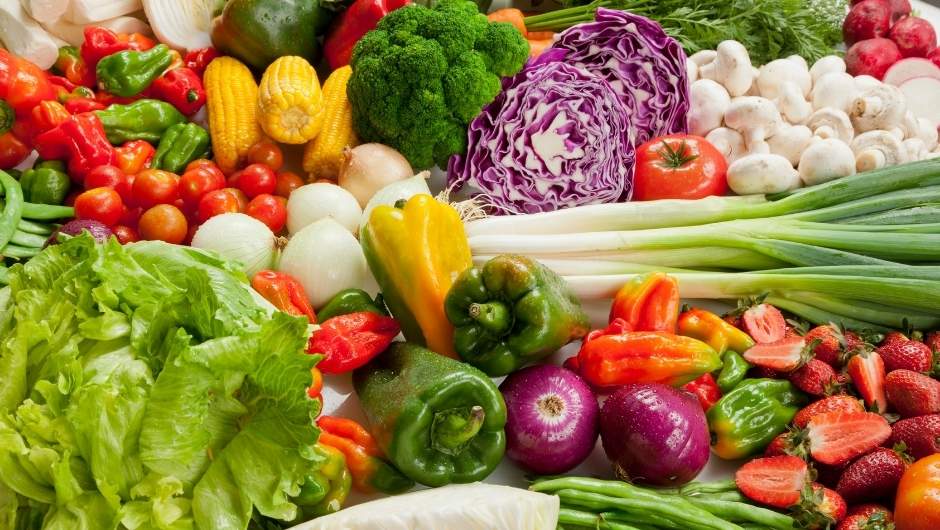
Potato prices fell in all wholesale markets (Ceasas) monitored by the National Supply Company (Conab) in August. On average, wholesale potato prices dropped 11,6% in the month, to R$ 2,63 per kilo. Among vegetables, onions and lettuce also showed a decrease in most of the evaluated markets, with declines of 13,8% and 14,8%, respectively. The data are part of the 9th Horticultural Bulletin, released today (September 22) by Conab.
The drop in potato prices comes after a series of increases recorded since February and is related to an increase in supply, although in a lower volume than observed in July. The largest reductions were recorded in Rio Branco (AC), at 46,35%; São José (SC), at 25,66%; Curitiba (PR), at 22,83%; and Rio de Janeiro (RJ), at 20,33%.
Despite the decline, potato prices remain above those recorded in the same period of 2025. Last year, the high supply of the tuber caused a reduction in prices and discouraged the maintenance of that production level for 2026.
Onions, which had been rising in price since March, became cheaper in nine of the ten wholesale markets included in the sample. The supply of the product remained practically stable compared to July, but there was an increase in shipments from the main producing states. Minas Gerais and São Paulo together accounted for 50% of the volume traded in the evaluated markets.
The largest drops in the weighted average price of onions occurred in Recife (PE), with 25,45%; Rio de Janeiro (RJ), with 18,21%; and Curitiba (PR), with 17,32%. Compared to 2025, a year marked by the recovery of production, the weighted average price remains at a higher level, reflecting the control of supply by producers, a movement also observed in the potato market.
For lettuce, Conab recorded a decrease in six of the wholesale markets considered in the survey. The variations ranged from a 31,22% drop in Rio de Janeiro (RJ) to a 15,45% increase in Recife (PE). Although the supply of the vegetable decreased by 4,3% compared to July, the volume of the winter harvest was sufficient to meet demand. The rains recorded in some producing regions also did not cause significant impacts on production or harvesting.
Carrot prices remained stable in August, with a weighted average increase of 0,88%, following a period of decline in July. The product became cheaper in six of the ten wholesale markets analyzed, with the largest reductions in São José (SC), at 29,45%; Rio de Janeiro (RJ), at 18,74%; and Vitória (ES), at 12,30%.
The largest increases were observed in Fortaleza (CE), with a rise of 21,99%, and at Ceagesp, in São Paulo (SP), with an increase of 10,92%.
Tomatoes were the only vegetable to show an increase in price in most wholesale markets, with a weighted average rise of 18,13%. Prices ranged from a 55,50% drop in São José (SC) to a 38,58% increase in São Paulo (SP).
After the peak of the winter harvest in July, the supply and volume of tomatoes sold decreased. According to Conab, weather conditions that interfered with fruit ripening contributed to this scenario.
Fruit sales at the analyzed wholesale markets grew by 4,5% in August. Among the products evaluated, papaya showed a 10,9% decrease in the weighted average of prices and became cheaper in 70% of the monitored markets.
The largest reductions were recorded in Vitória (ES), at 43,74%, and São Paulo (SP), at 23,20%. The supply of the Formosa and Papaya varieties increased during the month, expanding the availability of the fruit on the market. This movement reflected the growth in shipments from southern Bahia and northern Espírito Santo, the main producing regions.
Watermelon also showed a decrease, of 3,24% in the weighted average. Despite the increased demand caused by higher temperatures, supply grew, mainly due to the increase in volumes from Goiás and Tocantins, which are usually among the main producing states until October.
Even with rising production costs, high productivity has contributed to producers' profitability. The largest drops in the weighted average of wholesale prices occurred in São Paulo (SP), at 9%, and Vitória (ES), at 8%.
Oranges ended August with an average price decrease of 0,95%. Prices ranged from a 14,93% drop in São José (SC) to a 3,05% increase in Belo Horizonte (MG).
The supply of fruit destined for wholesale markets increased by 1,68% compared to July in the citrus belt, the main producing region in Brazil and the world. This increase raised the availability of oranges in both wholesale and retail markets.
After a period of devaluation, apples showed a 2,72% increase in the weighted average price. According to Conab, this movement is related to the gradual consumption of stocks stored in cold storage and increased sales.
The higher productivity recorded in the 2025/26 harvest contributed to expanding the supply of Fuji and Gala varieties, especially from the production of Santa Catarina and Rio Grande do Sul. Among the monitored wholesale markets, average prices ranged from a 41,39% drop in Rio Branco (AC) to a 10,54% increase in Vitória (ES).
Bananas, in turn, showed a drop in prices in six of the ten wholesale markets evaluated, but registered a 4,32% increase in the weighted monthly average. Fluctuations in supply and demand throughout August, in addition to the quality of the fruit, influenced price formation.
The largest drops were recorded in Rio Branco (AC), at 9,5%, and Fortaleza (CE), at 8,71%. Across all wholesale markets, the volume traded remained stable compared to July.
Data from the Ministry of Development, Industry, Trade and Services (MDIC) shows that Brazilian exports of fruits and vegetables totaled 789 tons in the first eight months of 2026, a volume 10,6% higher than that recorded in the same period of 2025.
Revenue reached US$1,01 billion, a 20% increase year-on-year. Among the products that showed growth in exports through August are mangoes, with an increase of 30,5%; avocados, with 102,5%; papaya, watermelon and peaches, with 83,3%; and apples, with 254%.
Receive the latest agriculture news by email



Receive the latest agriculture news by email