Terrestrial caterpillars exhibit different swimming patterns
Study identifies responses to water in 32 species of Lepidoptera and proposes a classification of movements
04.10.2026 | 16:38 (UTC -3)
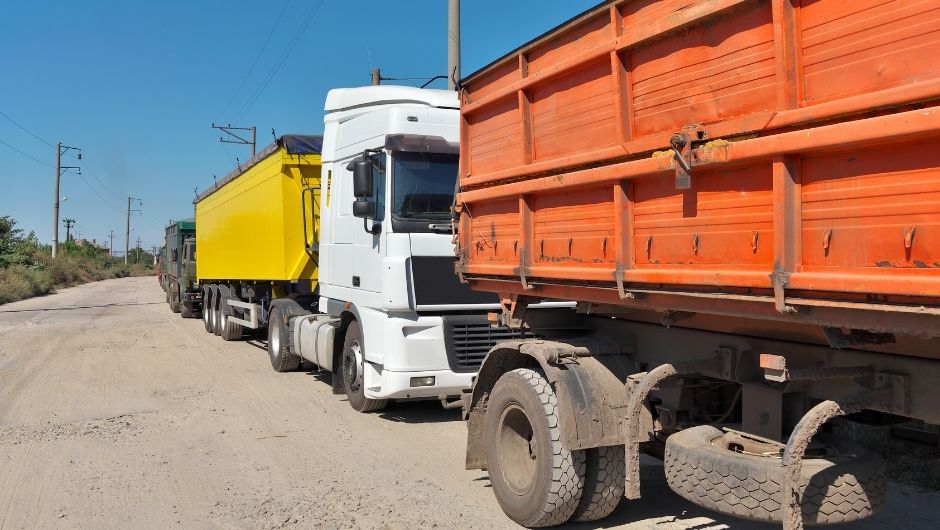
Agricultural freight rates on the main grain transport routes showed regionally distinct behaviors in August, but maintained an upward trend compared to the same period of the previous year, when analyzed as a whole. This is according to the National Supply Company (Conab) in the most recent edition of its Logistics Bulletin.
With the surge in demand for soybeans in the international market, exports of the oilseed reached 92,7 million tons from January to August, equivalent to a 7% increase compared to the first eight months of 2025. For corn, shipments reached 14,5 million tons in the same period, a 7,9% decrease year-on-year, amid rising prices for the grain both domestically and internationally.
In the state of Goiás, prices increased on most routes, with logistics boosted by internal flows destined for sorghum supply in Minas Gerais, especially at the end of the month. Demand for the cereal from feed producers favored medium and short-distance movements, leading to price increases of up to 22,9% in transportation costs.
Despite the predominance of negative percentages on the routes, in Mato Grosso freight rates remained firm in relation to the level expected for the season. The trend of values close to stability reflects the state's corn market, which has shown demand for animal feed and fuel. This dynamic was also observed in Mato Grosso do Sul, with rates leaning towards retraction and stability. In the Federal District, although there was a reduction in all monitored logistics corridors during the month, levels remain high compared to the previous year.
In Bahia, monthly variations in freight rates were positive on almost all routes, with increases of up to 4,8%. With the estimated strengthening of cotton shipments in the coming months, there may be greater pressure on road transport in producing regions and those connecting to port terminals.
Still in the Northeast region, Piauí registered an increase in logistics movements, with prices fluctuating between a 9,10% decrease and a 5,6% increase. In Maranhão, however, after the concentration of soybean production outflow in the first half of the year, the movement of agricultural cargo and freight costs decreased.
The São Paulo markets remained stable compared to July, fluctuating between a decline of up to 6,7% and an increase of up to 5,7%, a situation that reflects the relationship between the supply and demand for vehicles in the producing regions. Minas Gerais, in turn, registered a logistical upturn driven mainly by the progress in the coffee harvest.
In the state of Minas Gerais, the largest producer of the grain, freight rates saw a positive variation of up to 36,2%, with destinations concentrated in the southern region of Minas Gerais. Among the states included in the analysis, Conab also recorded a slight increase in prices for bean transportation in Paraná. For other grains, state-level trends showed variations with a downward tendency on most routes.
From January to August 2026, the ports of the Northern Arc were responsible for handling 48,98% of corn exports. Following that, the port of Santos accounted for 27,08% of cereal shipments.
As for soybeans, 38,85% of exports were carried out through the Northern Arc and 34,42% via the port of Santos. The terminal on the coast of São Paulo also accounted for 44,02% of soybean meal shipments.
Cumulative fertilizer imports through August 2026 reached 25,38 million tons. This figure is approximately 13,7% lower than that recorded in the same period of 2025.
The research analyzed the main grain transportation routes in the country, covering ten states.
Receive the latest agriculture news by email



Receive the latest agriculture news by email