Strong El Niño worries producers in Rio Grande do Sul until September.
Copaaergs bulletin predicts above-average rainfall and provides guidance on crop management to reduce risks.
22.06.2026 | 17:34 (UTC -3)
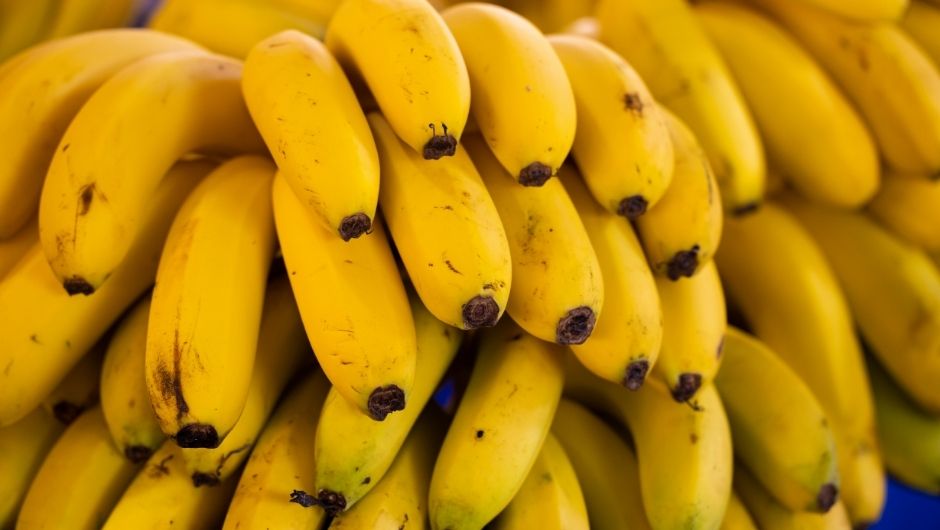
The commercialization values of bananas and lettuce showed a reduction in the weighted average for the month of May in most of the Supply Centers (Ceasas) in the country. For the fruit, the wholesale price fell by 4,89% on average; for the vegetable, the reduction was 1,94% compared to the month of April. The information was released by the National Supply Company (Conab) this Tuesday (June 23), in the 6th edition of the Horticultural Bulletin within the scope of the Brazilian Program for the Modernization of the Horticultural Market (Prohort).
Apples also maintained the trend seen in the last two months, ending the month with a 5,53% decrease in the weighted average of the monitored wholesale markets. The Central-South region registered the largest drops, with the lowest price recorded for Rio de Janeiro (-12,65%). Although they showed a slight increase in the weighted average of the monitored wholesale markets, watermelon and orange also registered a reduction in the average individual price in most of the centers that make up the sample.
The price dynamics of bananas were influenced by good production conditions, especially for the dwarf variety, which contributed to an increase in supply and product quality. At the Ceasa market in Campinas (SP), average prices fell 13,27% compared to April. Given the stable demand and good sales throughout May, only Fortaleza (CE) saw an increase of 6% in the monthly average price.
Compared to April, watermelon became cheaper in 70% of the evaluated supply units, although it showed an increase of 3,37% in the overall weighted average. The most significant growth was observed in Rio de Janeiro (72%), due to the increased sale of mini-watermelons, which have a higher commercial value. In the wholesale markets of Recife (PE) and Fortaleza (CE), prices were recorded as low as 17%. The price of the fruit is affected by the decrease in demand, resulting from the lower winter temperatures in the consumer centers of the South and Southeast.
For oranges, reasonable stock levels and decreased external demand explained the price movement, which ended the month with a weighted average 1,42% higher compared to April. With increased supply from São Paulo, Bahia, and Sergipe, the country's largest producers, the supply is expected to grow. The largest drops in wholesale prices were observed in São Paulo (-10,93%) and São José (SC) (-10,03%).
Among the fruits analyzed, papaya showed the largest percentage increase, equivalent to 7,49% on a weighted average. The most significant decrease was recorded in Rio de Janeiro (RJ) (-23,60%), while the largest increases were observed in Fortaleza (CE) (67,42%) and Vitória (ES) (51,11%). The decrease in the supply of the Formosa variety and shipments from southern Bahia and northern Espírito Santo explain this scenario.
The decline in demand, typical of reduced consumption of leafy vegetables in winter, contributed to the drop in lettuce prices in almost all wholesale markets, with the lowest prices in Belo Horizonte (MG) (-27,98%), Vitória (ES) (-25,71%) and Rio de Janeiro (RJ) (-25,20%). The supply of the vegetable was also 10,8% lower than that recorded in April.
Carrot prices, which had risen in the last two months, remained stable, with a 0,63% decrease in the weighted average of May's values. Despite increases of less than 7% in half of the monitored wholesale markets, larger reductions were recorded in Fortaleza (CE) (-33,12%) and São José (SC) (-15,54%). With the intensification of the winter harvest and recovery of supply, mainly from Minas Gerais, the coming months should see a decrease in prices.
Although lower compared to previous months, onion prices continued to rise for the third consecutive month, with a weighted average increase of 12,53%. Average prices for the vegetable ranged from a 5,09% decrease in Recife (PE) to an increase of up to 21,62% in Campinas (SP). This trend is justified by the reduction in national supply, especially shipments from Santa Catarina, which are 35% lower than in April.
For tomatoes, the increase in the weighted average was 19,85%, ranging from a decrease of 11,38% in Vitória (ES) to an increase of 42,38% in Recife (PE). This movement can be explained by greater control of supply by producers, made possible by lower temperatures in producing regions, which delay fruit ripening and allow for a reduction in the pace of harvesting.
Among vegetables, the most significant increase was for potatoes, with an average percentage price rise in all the wholesale markets analyzed. The tuber closed the month with a 57,95% increase in the weighted average of prices. The end of the rainy season harvest and the still incipient start of the winter harvest reduced supply. Minas Gerais, the country's largest producer, registered the highest increase (84,44%). Santa Catarina was the only state with a decrease, closing the period with average prices 1,66% lower compared to the previous month.
The total volume of exports through May 2026 increased by 14,1% compared to the first five months of 2025, with revenues of US$663,4 million. The country shipped 555,77 tons abroad, with fruits being the main products, especially apples, avocados, peaches, watermelons, mangoes, and melons.
Receive the latest agriculture news by email



Receive the latest agriculture news by email