Agricultural Market - 22.Sep.2026
Soybean production advances in the US, while Brazil maintains strong exports.
22.09.2026 | 19:09 (UTC -3)
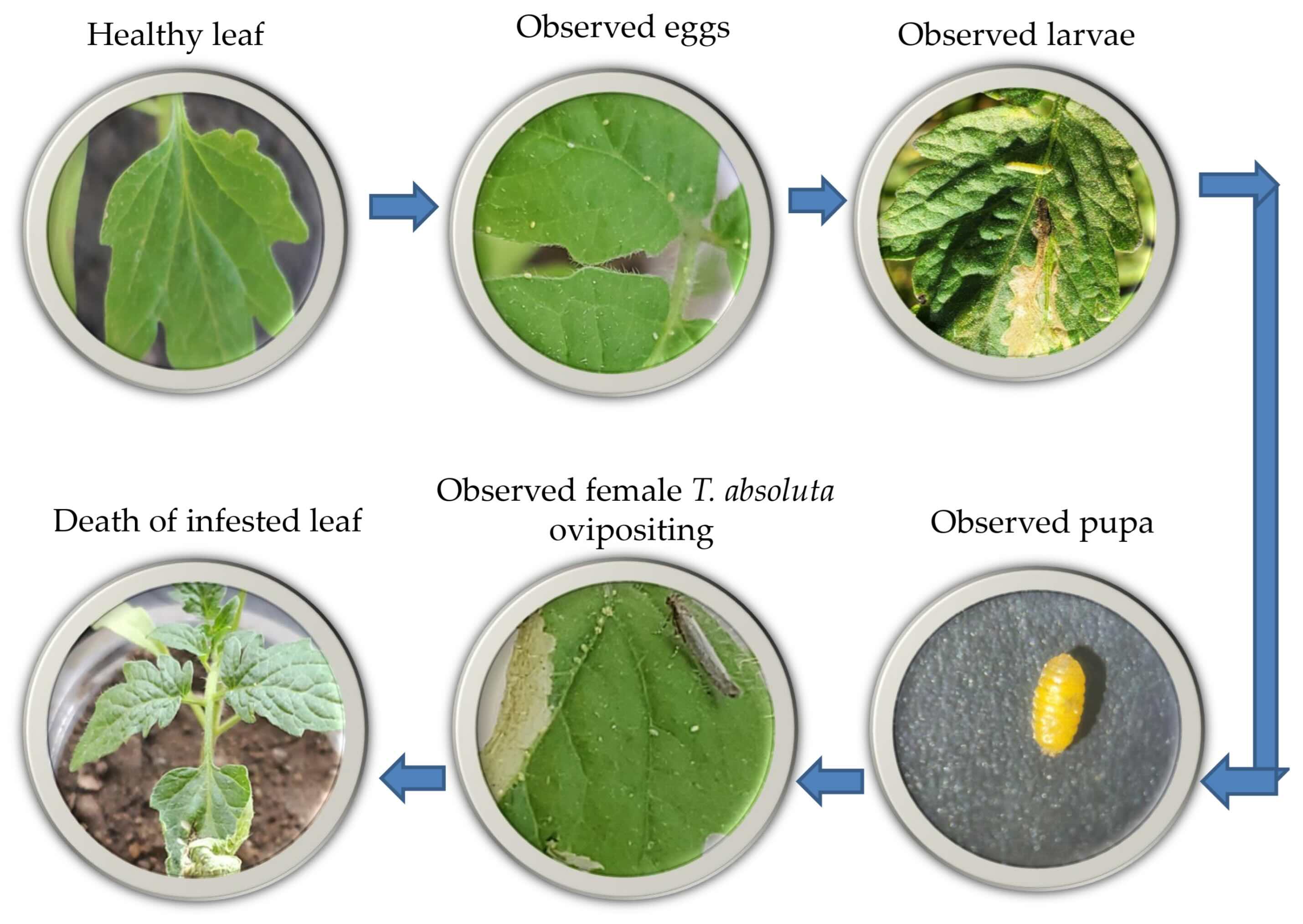
Two companion plants showed potential for the ecological management of Tuta absoluta (Phthorimaea absoluta) in tomato crops. Researchers identified a repellent effect of Allium schoenoprasum and Aeollanthus fruticosus after tests in the laboratory, cages, and a screened house in Tanzania.
The study initially evaluated 14 species using a Y-tube olfactometer. Six plants repelled adult pests (doi 10.3390/insects17090977). Allium schoenoprasum and Aeollanthus fruticosus were among the treatments with the greatest response and proceeded to the next stages.
In a double-choice cage test, tomatoes grown near Allium schoenoprasum showed 47,27% damaged leaves. The rate dropped to 33,94% with Aeollanthus fruticosus. Tomatoes grown alone registered 66,34% damage. Both treatments also reduced the number of eggs.
In the screened house, Allium schoenoprasum reduced leaf damage to 13,92%. Aeollanthus fruticosus registered 25%. The control without treatment reached 63,38%. In the treatment with synthetic insecticide, the damage was 9,62%. The difference between the insecticide and Allium schoenoprasum did not show statistical significance for this variable.
The combination of the two plants did not amplify the effect. The combined treatment resulted in 39,44% leaf damage.
Researchers point to the potential for including these species in the integrated management of Tuta absoluta. The results, however, came from controlled conditions. The work recommends evaluations in open fields, in different agroecological zones, as well as studies on compatibility with natural enemies and entomopathogens.
Receive the latest agriculture news by email



Receive the latest agriculture news by email