El Niño requires strategic management in the 2026/27 harvest
This phenomenon is expected to increase disease pressure in soybeans, corn, and wheat, and will require phytosanitary planning.
14.07.2026 | 16:49 (UTC -3)
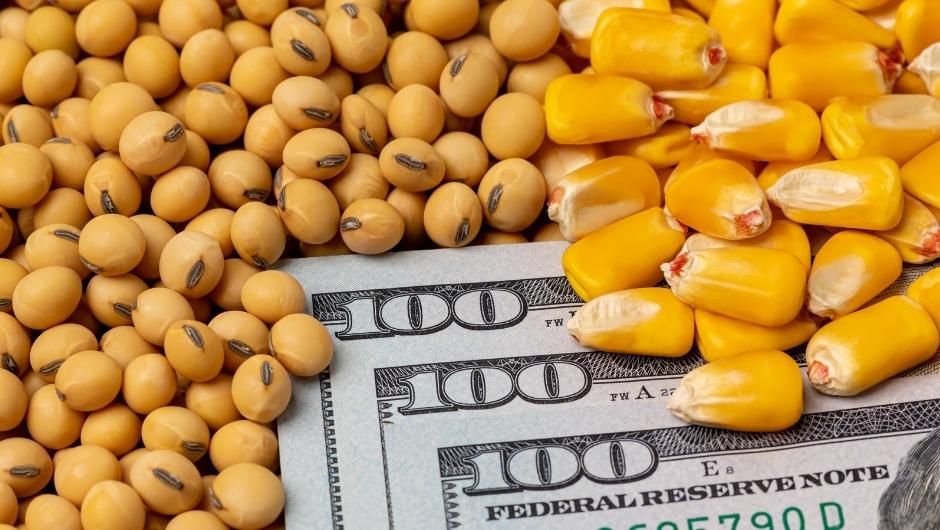
The weather has once again taken center stage in the international grain market, influencing soybean and corn prices on the Chicago Board of Trade. The combination of intense heat and irregular rainfall in important producing regions of the United States has increased uncertainty about crop performance and created an opportunity for Brazilian producers to negotiate part of their production under more favorable conditions.
According to an analysis by Biond Agro, the recommendation is to take advantage of this moment to make sales gradually, ensuring more attractive margins without compromising the entire production. The guidance considers that the recent price increase is more related to uncertainties about the weather than to an actual crop failure in the United States, reducing the risk of exposure should rains return to the Midwest.
"Today, the market is pricing in risk. There is still no consolidated crop loss in the United States. Therefore, the advice is for producers to take advantage of the opportunities that arise now, without betting that prices will continue to rise indefinitely. If the weather improves, this movement could lose momentum quickly," explains Yedda Monteiro, intelligence and strategy analyst at Biond Agro.
In the soybean market, even with confirmation of a larger planted area and high stocks in the United States, prices remain supported by expectations of increased demand and concerns about crop development during the flowering and pod formation stages.
Regarding corn, the scenario is even more concerning. US stocks came in below expectations, indicating a less comfortable supply. Therefore, any change in weather conditions during the pollination period could cause more intense price fluctuations.
According to the expert, this moment reinforces the importance of making decisions based on strategy, not expectations.
"It's natural for producers to want to seek the best possible price, but it's difficult to predict how high the market can go. Therefore, staggered sales allow them to take advantage of peak periods, preserve profitability, and reduce the risk of a sudden change in prices. It's a strategy that brings more security to crop planning, especially with the upcoming 26/27 season in mind. Now is the time to take advantage of better prices, but aim not to sell more than 40% of the future crop by the end of the year," says Yedda.
Although weather forecasts continue to be closely monitored by the market, the expert believes that caution is advised. If rains return to the North American agricultural belt in the coming weeks, the trend is that some of the risk premium incorporated into prices will tend to disappear, limiting the scope for further increases.
Receive the latest agriculture news by email



Receive the latest agriculture news by email