Lycorine affects detoxification in Spodoptera litura
Alkaloid represses CYP6AE genes, reduces P450 activity, and increases larval mortality
21.06.2026 | 16:27 (UTC -3)
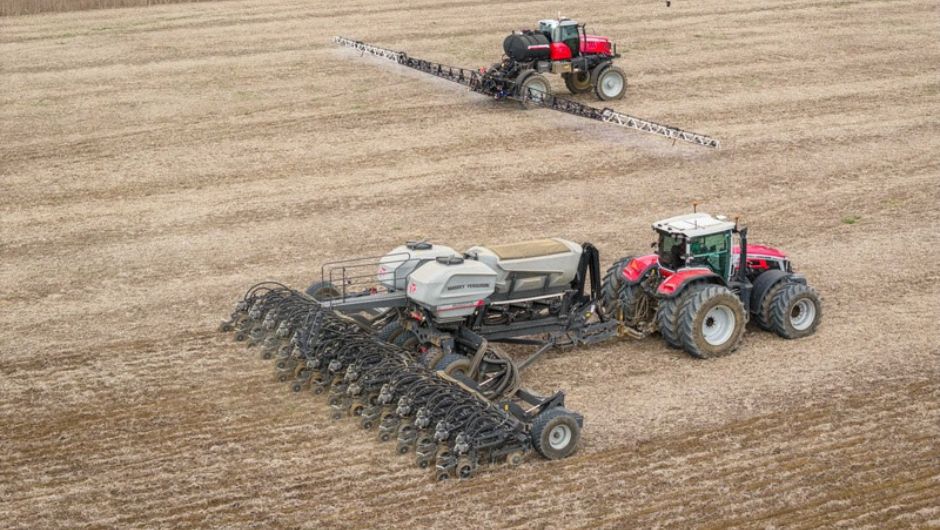
Climate change has altered the dynamics of agricultural production, imposing ever greater challenges on rural producers. Prolonged droughts, rainfall concentrated in short periods, and temperature fluctuations directly affect the planning of operations and demand greater efficiency in crop management. In this context, the technology embedded in agricultural machinery has become an important ally in increasing the resilience of the field.
Precision agriculture tools, connectivity, and automation allow producers to monitor operations in real time, use inputs more efficiently, and make more assertive decisions in the face of weather conditions. This makes it possible to reduce waste, optimize resources, and increase productivity, even in more unstable scenarios.
Among the available solutions are autopilot systems, telemetry, remote monitoring, section control, and variable rate application. These technologies allow operations to be adapted to the specific characteristics of each area of the property, reducing overlaps, minimizing failures, and ensuring greater operational efficiency.
In addition to economic gains, the adoption of these tools contributes to more sustainable agriculture. The more precise application of seeds, fertilizers, and pesticides reduces the excessive use of inputs and promotes the conservation of natural resources, an aspect that gains even more relevance in a context of extreme weather events.
Another benefit lies in data generation and analysis. Connected machines provide information that helps producers identify opportunities for improvement, anticipate decisions, and plan future harvests based on operational history. This operational intelligence has become an important differentiator in increasing the adaptability of rural properties.
According to Lucas Zanetti, Product Marketing Manager at Massey Ferguson, technology plays a fundamental role in helping farmers deal with the challenges posed by the climate. "The technologies embedded in agricultural machinery allow data to be transformed into intelligence, helping to optimize resources, increase operational efficiency, and reduce risks throughout the production cycle."
The expert emphasizes that precision agriculture is a strategic resource for the sustainability of the activity. "When we use resources such as variable rate application, autopilot, and remote monitoring, we can produce more efficiently, reducing waste and making better use of each operating window. This contributes not only to the profitability of the producer, but also to a more resilient agriculture in the face of climate change."
Massey Ferguson has been expanding its portfolio of digital and connected solutions to support farmers in managing their operations. The integration between machines, monitoring platforms, and precision agriculture tools allows producers to have a more complete view of their property and act more strategically.
"Technology is one of agriculture's main allies in facing the challenges of the present and the future. The more information the producer has about their operation, the greater their ability to adapt to climatic conditions, preserve resources, and maintain high levels of productivity," concludes Zanetti.
Receive the latest agriculture news by email


Receive the latest agriculture news by email