Elicit Plant appoints German expert to Board
Hartmut van Lengerich is the new member of the company's Strategic Advisory Board
24.01.2025 | 17:24 (UTC -3)
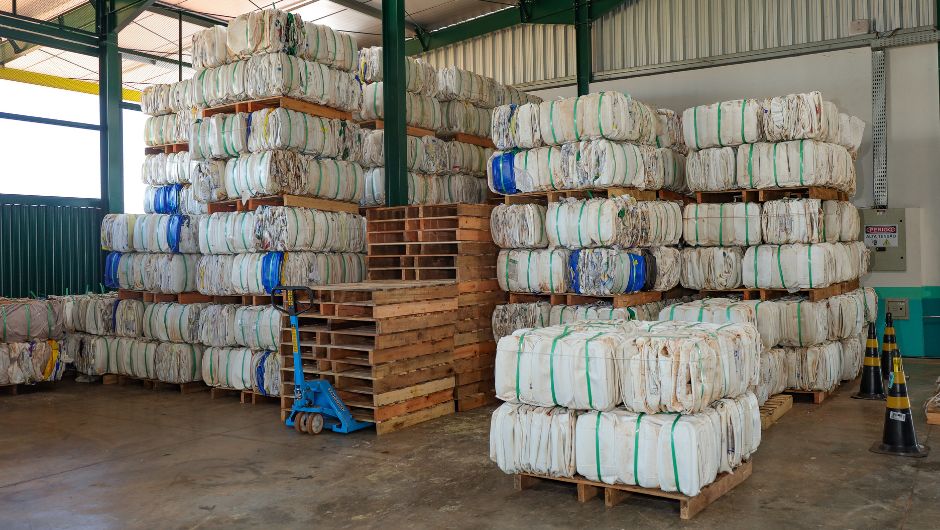
Brazil is celebrating a historic achievement in environmental preservation: the Campo Limpo System, managed by the National Institute for Processing Empty Packaging (Inpev), has surpassed the mark of 800 thousand tons of empty agricultural pesticide packaging disposed of in an environmentally correct manner since 2002. This milestone reinforces the country's leadership as a world reference in reverse logistics in this sector.
In 2024, 68,5 thousand tons of packaging were returned by farmers, sanitized, rendered unusable and disposed of in a sustainable manner, highlighting the positive impact of the System on the environment and society. This number represents a significant increase of 27% when compared to the previous year.
"The result reflects the integrated work of all links in the chain: farmers, distribution channels, cooperatives, industry and government. The Campo Limpo System is one of the greatest global examples of success in sustainability, generating significant environmental, social and economic impacts. Such a significant milestone is a source of great enthusiasm for us," says Marcelo Okamura, CEO of Inpev.
The Campo Limpo System ensures that 100% of the empty packaging received is disposed of in an environmentally correct manner. This efficiency is the result of Law No. 14.785/00, which regulates the disposal of empty pesticide packaging, and of collaboration between those involved in the agricultural chain. The current legislation, together with the actions of the links and management of Inpev, has eradicated an environmental challenge and transformed recycling into an instrument of preservation.
Inpev also reinforces its commitment to sustainability by winning the Silver Seal in the Brazilian GHG Protocol Program, from the Getúlio Vargas Foundation. The advancement from the Bronze Seal to the Silver Seal, in just two years of participation, highlights the institute's ongoing efforts in measuring and reducing greenhouse gas (GHG) emissions.
To handle all this volume, the Campo Limpo System has been improving its management model of excellence, with established processes and a focus on continuous improvement. In 2024, there were 411 active receiving units, divided between 103 central and 308 stations that receive and separate empty packaging. In addition, thousands of itinerant collections were made to locations further away from the fixed units to also serve small rural producers. Inpev continues to expand its operations with a focus on innovation and new partnerships. For 2025, the Institute plans to increase the System's coverage in new regions, increase recycling rates, drive the achievement of new sustainability certifications and consolidate Brazil as a global leader in the circular economy.
"We continue to work together, proud of each achievement, and for a more innovative and sustainable agribusiness. The partnership between the various links in the agricultural chain is the key to the success of our actions", highlights Okamura.
Since its operations began in 2002, the Campo Limpo System has already properly disposed of more than 800 tons of empty pesticide packaging. In 2024 alone, 68,5 tons were disposed of. The program is based on the principle of shared responsibilities among all links in the production chain (manufacturing/registering industry, distribution channels, and farmers), with support and oversight from the government. It brings together more than 256 reseller associations and cooperatives and serves approximately 2 million rural properties throughout the country, according to the 2017 agricultural census.
The System is present throughout Brazil and has 416 receiving units, where farmers can return empty packaging. There is also the possibility of this delivery being made at Itinerant Receiving Units, which occur in regions far from the receiving units and aim to reach small producers.
With over 20 years of experience, Inpev – representing the pesticide manufacturing industry in the System – is responsible for the environmentally correct disposal of empty packaging and post-consumer leftovers in Brazil, a process established by Federal Law No. 14.785/23 and Federal Decree 4.074/02. It is a non-profit institution formed by over 195 manufacturers and entities representing the industry, distribution channels and farmers.
Receive the latest agriculture news by email


Receive the latest agriculture news by email