Steinernema feltiae shows efficacy in biological control of the two-spotted spider mite
Study shows that Steinernema feltiae can kill up to 83% of Tetranychus urticae individuals
08.10.2025 | 17:29 (UTC -3)
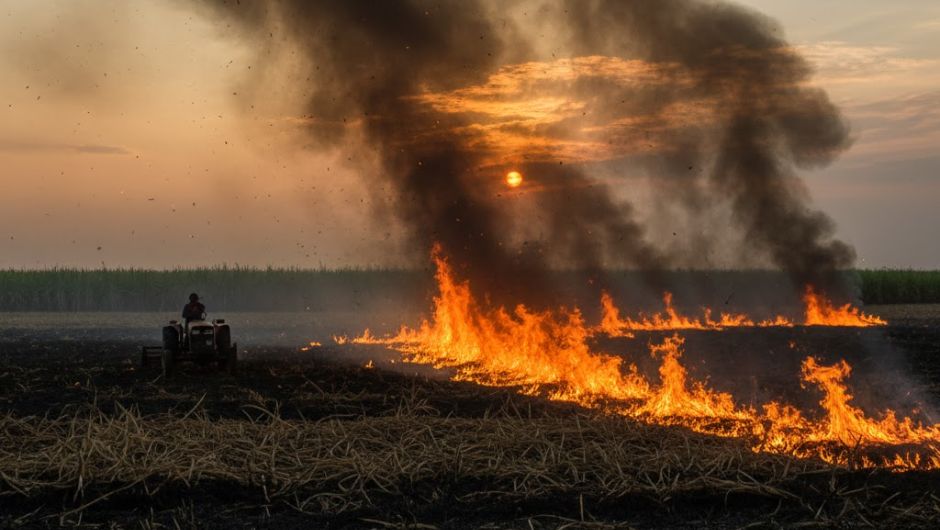
The São Paulo State Environmental Agency (Cetesb), a subsidiary of the State Department of the Environment (Semil), has extended the suspension of all controlled burn authorizations in the state until October 31. The measure applies to sugarcane straw, agricultural burns, and phytosanitary burns (for pest control) and was adopted due to the dry season and the risk of forest fires.
"Temporary fire suspensions help contain fires in agricultural and native vegetation areas, especially when dry weather and wind increase the spread of flames. It's a simple measure, but it has a significant impact on environmental protection and public health," said Adriano Queiroz, Director of Environmental Control and Licensing at CETESB.
During the suspension period, new authorization requests will not be accepted. The deadline may be extended again if the drought persists or weather conditions remain unfavorable.
The ban had been in effect since August 28th, initially for 30 days, and has now been extended for another month. Last year, the state faced a winter with dry weather, high temperatures, and an increase in the number of wildfires. The 2024 record led environmental agencies to reinforce preventive measures this year, focusing on reducing incidents and preserving air quality.
Before the suspension, sugarcane straw burning was already subject to restrictions. The practice could only be authorized on days with relative humidity above 30% and outside the hours of 6 a.m. to 20 p.m., when there is a greater risk of flame spread.
With the new ruling, even these exceptions will no longer be permitted. Although still possible in very specific situations, the use of fire in sugarcane harvesting has been declining rapidly. According to Cetesb, the practice has been reduced by 99% in the state since 2007.
Receive the latest agriculture news by email



Receive the latest agriculture news by email