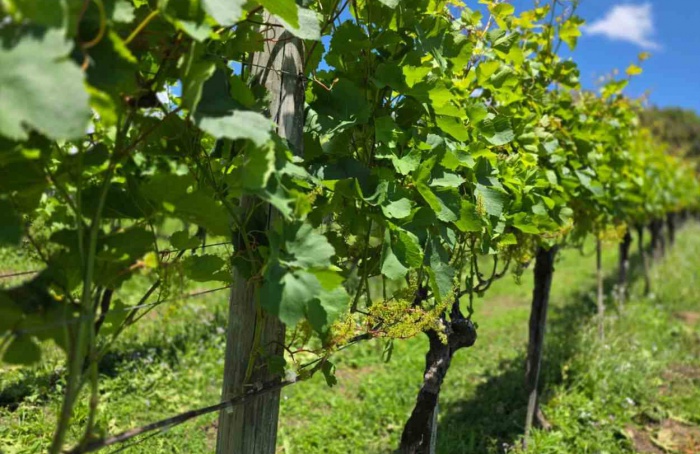
Emater postpones projection of the 2026 grape harvest in Rio Grande do Sul.
The institution considers it too early to estimate production due to weather fluctuations this spring.
04.11.2025 | 16:25 (UTC -3)
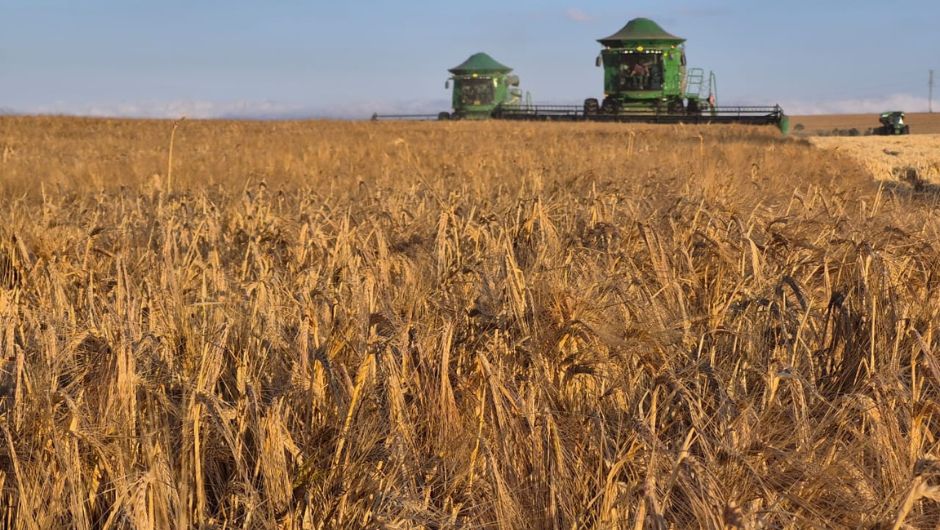
Capal Cooperativa reported that the harvest in its coverage area in Paraná, which exceeds 14 hectares, was completed last week, surpassing expectations. After passing through the grain processing system, the total reached 58,7 tons, more than 12% above the initial forecast for the 2025 harvest, which was 52 tons of net productivity.
According to the regional coordinator of Agricultural Technical Assistance (DAT) for the cooperative, Roberto Martins, the climatic conditions in the region were fundamental to the performance of the results in the field, with favorable water conditions during the winter. “Despite the lower volume, the rains were regular and well distributed, and this prevented periods of water stress that could have compromised productivity. The water distribution was adequate at critical moments in the cycle, especially for barley, which is planted earlier,” he assessed.
According to Martins, the mild temperatures and the temperature range — with cold nights and sunny afternoons — were crucial for grain filling and the formation of high-quality barley. “The lower cloud cover during winter afternoons ensured greater solar radiation, optimizing photosynthesis and contributing to the accumulation of biomass and energy in the grains. The result is a higher specific weight, a factor that directly increases the quality of the final product,” he explained.
In addition to exceeding expectations regarding harvested productivity, Capal highlighted that the quality of the grains was also superior, due to the genetics of the cultivars used and the favorable climatic conditions. "The barley classification records show that more than 90% of the received loads presented larger grains with excellent assortments, lower protein levels within the desired range, high germination power for malt production, and no presence of mycotoxins," stated Martins.
Vilmar Schüssler, manager of Maltaria Campos Gerais, where the cooperative's entire barley production is destined, stated that he has observed that the grains are above average and meet all the requirements for malting.
“In the case of receiving barley from Capal's cooperative members, we expect to classify almost 100% of the production as malting barley. We have noticed that the cultivated area has been growing and, with the expectation of an excellent 2025 harvest, we hope that more rural producers linked to the cooperatives will join the inter-cooperation project, which will bring greater liquidity to both the malt house and the producers,” he concluded.
The Campos Gerais Malt House, located in the municipality of Ponta Grossa/PR, has a production capacity of 240 tons per year. To operate at maximum capacity, the demand is 800 tons per day, which, after the malting process, results in approximately 650 tons of malt.
Receive the latest agriculture news by email



Receive the latest agriculture news by email