Lycorine affects detoxification in Spodoptera litura
Alkaloid represses CYP6AE genes, reduces P450 activity, and increases larval mortality
21.06.2026 | 16:27 (UTC -3)
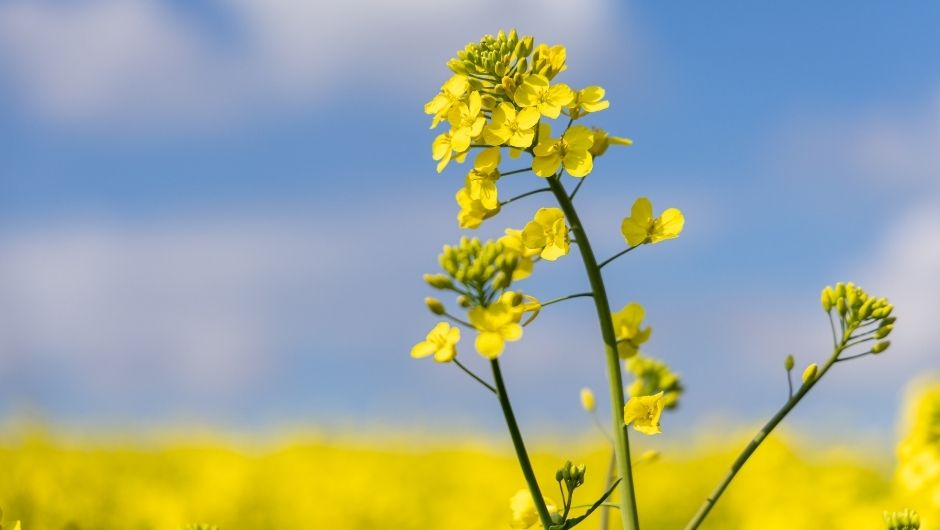
Canola is the highlight of the 2026 Winter Crop season in Rio Grande do Sul. With an expected increase in cultivated area of 102,64%, canola is expected to flower on 353.397 hectares, reaching a production of 571.975 tons, 100,35% higher than the previous harvest (2025), which was 285.481 tons. The expected average productivity of 1.619 kg/ha is 2,09% lower than the previous average, when the state recorded 1.653 kg/ha. Other winter crops are showing a decrease in cultivated area.
Initial estimates for the Winter Crop in Rio Grande do Sul were presented by Emater/RS this Monday (June 22nd) at the Central Office in Porto Alegre, with the presence of the Institution's Board of Directors and state managers, state secretaries of Rural Development (SDR) and Agriculture (Seapi), as well as the press.
The survey was conducted from May 4th to June 16th and covered 99,89% of canola-producing municipalities in Rio Grande do Sul, 99,82% of wheat-producing municipalities, 99,14% of white oat grain producers, and 94,88% of barley producers.
Overall, Rio Grande do Sul is expected to cultivate 10,76% less area compared to the previous harvest, totaling 1.575.634 hectares with all grains, and an estimated production of 3.733.118 tons, a decrease of 22,15% compared to the last harvest.
The significant reduction in cultivated area compared to the previous cycle is due to a combination of factors, such as high production costs, low economic attractiveness of cereals, and increased perception of production risk, associated with the predicted El Niño phenomenon during the winter and spring. As a strategy to position the flowering and grain-filling phases before the intensification of spring rainfall, sowing is brought forward in some areas not linked to financing or insurance coverage.
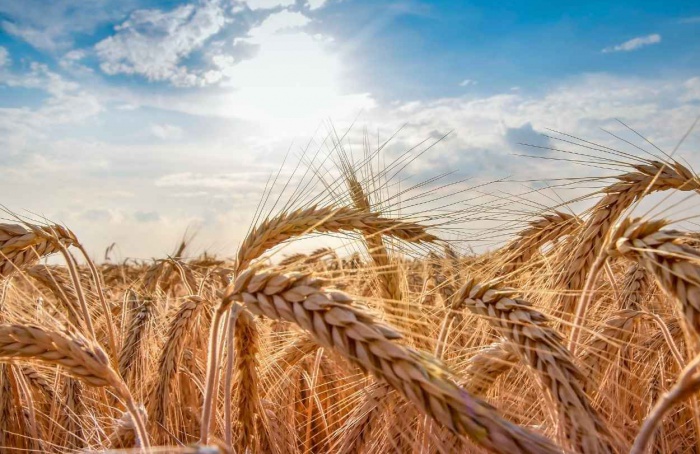
Wheat, which was once the main cereal cultivated in the winter in Rio Grande do Sul, is expected to reach an area of 814.220 hectares this season, a 30,18% decrease compared to the 1.166.163 hectares of the previous season. This decrease in area is reflected in the expected reduction in wheat production of -36,39%, from 3.458.083 tons in the 2025 season to 2.199.554 tons this year. Productivity is also expected to decrease by -8,98%, from 2.968 kg/ha in 2025 to an estimated 2.701 kg/ha this season.
Barley, the main ingredient for breweries, also shows a decrease of -36,52% in the area to be cultivated this season, which is 20.320 hectares. Last season, 32.010 hectares were cultivated, yielding 115.935 tons, -47,07% of the expected 61.369 tons for this year. Barley productivity is also estimated to decrease by -16,62%, from 3.622 kg/ha to 3.020 kg/ha this season.
White oat grains are also estimated to have reduced area, production, and productivity compared to the 2025 winter crop. 387.697 hectares will be cultivated, a 1,38% decrease compared to the previous crop's 393.135 hectares. With an expected productivity of 2.322 kg/ha, a 3,01% decrease compared to the previous 2.394 kg/ha, white oat production is expected to reach 900.221 tons, a 3,79% decrease compared to the previous crop, when 935.664 tons of white oats were produced in Rio Grande do Sul.
Black oats will be cultivated on 94.950 hectares in Rio Grande do Sul, with the regions of Ijuí, Santa Maria, and Soledade being the main producers, with 32.400 hectares, 14.880 hectares, and 10.785 hectares cultivated, respectively.
Carinata is the new addition to this initial estimate for the Winter Crop in Rio Grande do Sul. This oilseed belongs to the canola family and its production is mainly focused on the production of sustainable aviation fuel (SAF). Emater/RS monitors and supports this diversification alternative, providing guidance, grain classification training, and technical assistance to producers. For this crop, the expected cultivation area is 12.365 hectares, especially in the regions of Santa Rosa (2.679 hectares), Ijuí (2.515 hectares), and Bagé (2.500 hectares).
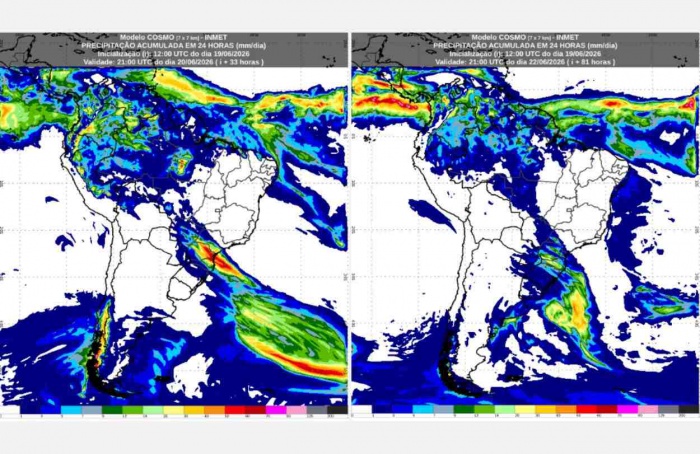
Seapi's agrometeorologist, Flávio Varone, presented the climate forecasts for the coming periods, anticipating that the winter will have above-average temperatures and rainfall, confirming the expected occurrence of El Niño, which should intensify in the spring. "This will be reflected in challenges at the end of the winter crop cycle, since excess rainfall harms grain quality and hinders harvesting," Varone points out. He also anticipates that excess soil moisture could compromise the start of the summer crop, delaying sowing.
According to the president of Emater/RS, Claudinei Baldissera, "the harvest is challenging in terms of climate, management, and price issues, due to production costs, in addition to difficulties in accessing credit." The state secretary of Seapi, Márcio Madalena, highlights the importance of debt renegotiation and considers investing in the energy transition to biofuels, "providing raw materials for the production of inputs," a challenge for the coming years.
“Emater is a repository of information,” declares the Secretary of the SDR, Gustavo Paim, emphasizing that “you can't manage agriculture or any other productive activity without information.” He believes the harvest is challenging due to the climate. “Rio Grande do Sul faces severe weather events, such as droughts and excessive rainfall, and in this sense, Emater and extension agents are even more important in prompting and assisting farmers in this change of behavior,” he assesses.
Receive the latest agriculture news by email



Receive the latest agriculture news by email