PR 2024/25 Harvest: corn should be harvested by the end of August
With 74% of the area harvested, the State projects 17 million tons and contributes to the national harvest
07.08.2025 | 17:02 (UTC -3)
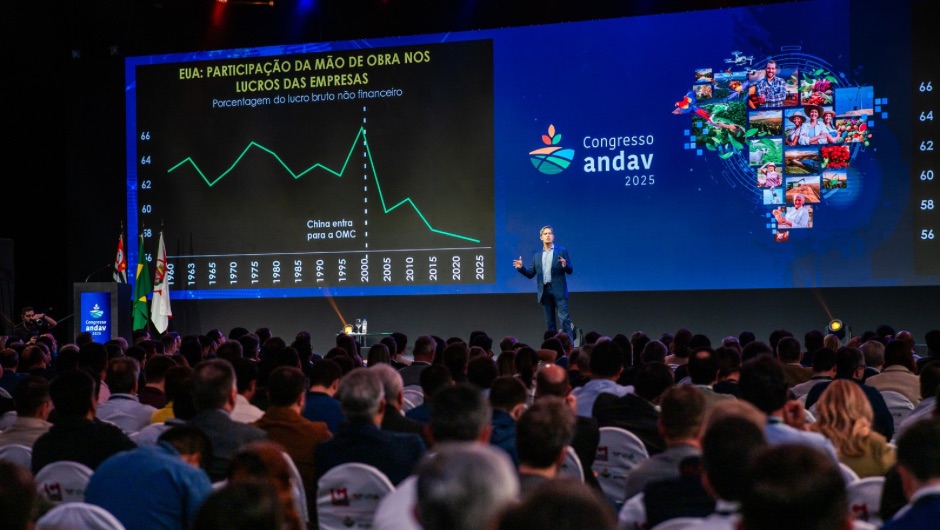
Brazilian agribusiness is expected to enter a new positive cycle, driven by external demand and productivity gains. This is the assessment made by economist Ricardo Amorim, president of Ricam Consultoria, during the Andav 2025 Congress, which concluded this Thursday (7), in São Paulo.
According to Amorim, Brazil boasts environmental, climate, and technological advantages to expand production and serve strategic markets such as China and Europe. He highlighted that the national economy is experiencing a growth cycle, with record job creation in recent years, and that the country remains attractive to foreign investment, especially after the rise in global geopolitical tensions.
“The agroeconomy is not just a pillar of the present, but the engine of Brazil’s future,” he emphasized.
Amorim warned, however, about the impacts of US trade policies, such as the new tax on imported products, which is expected to increase costs and have regional repercussions in Brazil.
Access to credit and financial management were also central topics of the event. Consultant André Pessoa highlighted the high debt burden of rural producers, high interest rates, and tight margins, especially in grain production. He advocated that farmers adopt management practices similar to those of distributors and companies in the sector.
Filipe Paiva, of Unibarter, emphasized the importance of governance, risk management, and the use of technology to facilitate capital market funding. Moacir Teixeira, of Ecoagro, emphasized that input distributors can be the bridge between small producers and new sources of financing, provided there is proper planning.
“It all depends on management, as capital market deadlines are longer than funding deadlines, requiring planning,” commented Moacir.
For Carlos Aguiar Neto of Banco Santander, longer payment terms do not solve leverage problems, but they do provide time to plan for deleveraging.

Celso Ienaga, of Dextron Consulting, argued that sustainable governance should be the central pillar of agricultural organizations. He argued that lack of planning, growth without strategy, and an inadequate capital structure can lead to bankruptcy. Companies that incorporate ESG practices and structured decisions, he emphasized, gain competitiveness and market relevance.
"Sustainable governance is not just an organizational structure, but a transformational journey that connects purpose, longevity, and value creation, strengthening the entire agribusiness chain," Ienaga concluded.
Receive the latest agriculture news by email


Receive the latest agriculture news by email