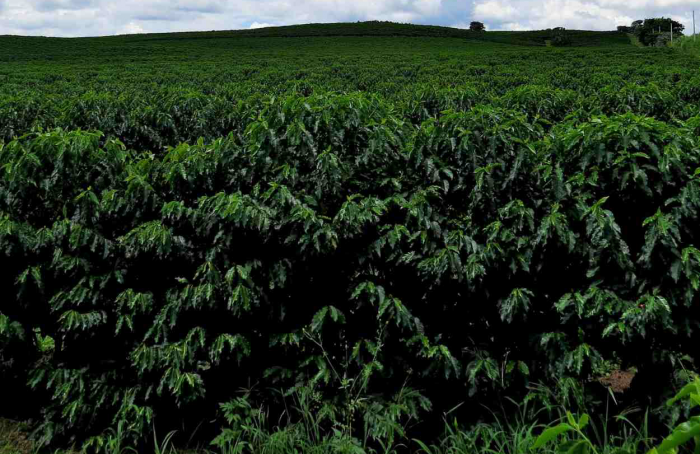
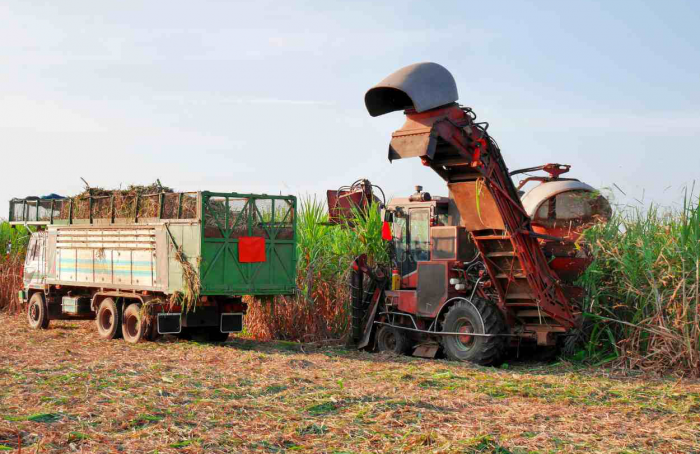
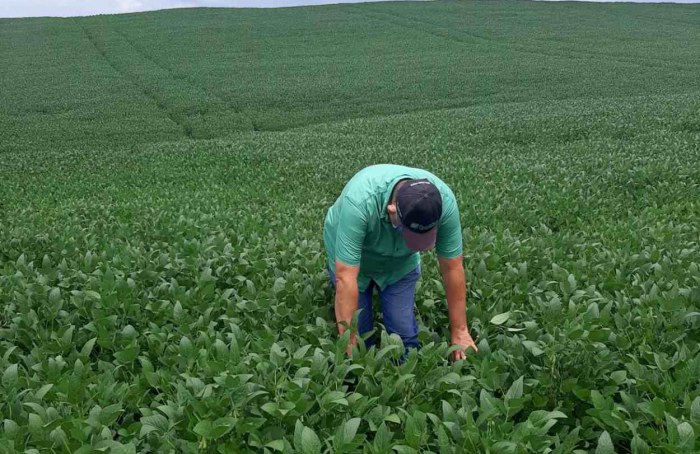
Nidera Sementes presents varieties at Dinetec 2024
The corn cultivars NS 79 (SS2315E VIP3) and NS 89 (SS2322E VIP3) were highlighted; and soy NS7676 IPRO and NS7902 (BW1955231IPRO)
12.01.2024 | 15:37 (UTC -3)
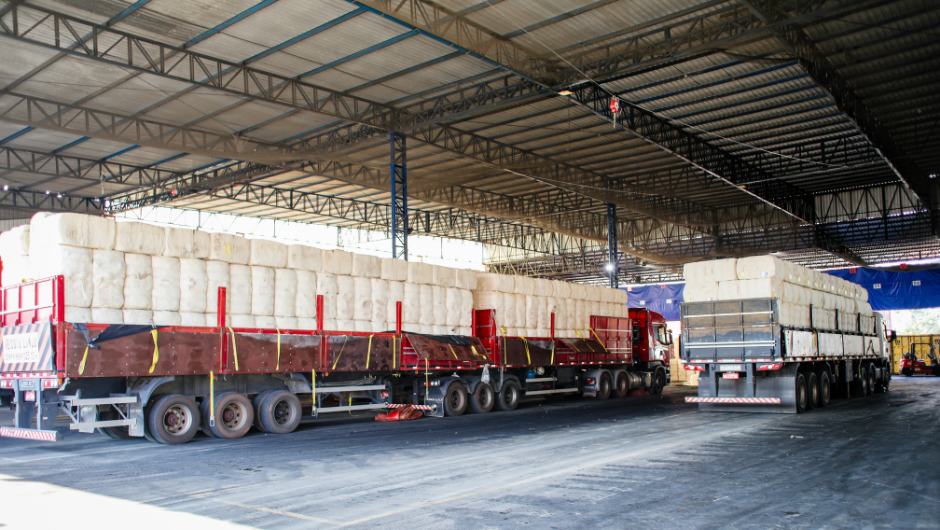
Even with an annual decline of 10%, Brazil maintained its status as the world's second largest exporter of cotton in 2023. With the shipment of 1,618 million tons abroad from January to December, the country generated revenue of US$3,07 billion per year.
The performance was already predicted by the Brazilian Association of Cotton Producers (Abrapa). “The 2022/2023 harvest was impacted by adverse weather effects, and as a result we had a smaller volume to export. The global situation was also challenging for cotton”, observes the president of Abrapa, Alexandre Schenkel.
Two armed conflicts, still ongoing, have affected the world economy: Russia/Ukraine and Israel/Palestine. With the instability in international markets, the upward trend in both inflation and interest rates continued, slowing the economy in several countries. The result was a drop in demand for cotton, with textile industries operating at a slower pace throughout 2023 and, consequently, importing less.
“It was a situational issue. So much so that in the second half of the year the pace of exports accelerated. That was when we harvested the 2022/2023 harvest, with record performance and excellent quality in the field”, explains Schenkel.
The optimism can be explained: 74% of exports in 2023 (1,194 million tons) occurred from July to December, exceeding by 24% that recorded in the same period in 2022. “From 2018 to now, this has been the second best brand”, says Marcelo Duarte, director of International Relations at Abrapa.
With revenue generated by exports in 2023, cotton has also established itself as the seventh largest Brazilian production chain. The product had a 2% share in total revenue of US$ 167,5 billion according to the agribusiness export ranking prepared by the Insper institute.
But there are other factors that justify Brazilian optimism for 2024. One of them is the growing recognition of cotton farmers' care for the responsibility of production. “One of our differences is that more than 80% of the national harvest has socio-environmental certification, meeting the end consumer’s demand for sustainable products”, points out Duarte.
Furthermore, the strategy of maintaining close contact with buyer markets has been successful. Responsible for Cotton Brazil – an initiative that represents the Brazilian cotton production chain internationally – the director of International Relations comments that in 2023 Brazil held 18 international events and five trade exchange missions between Brazilian and industrial producers, investors and importers of the main textile industries worldwide.
Receive the latest agriculture news by email


Receive the latest agriculture news by email