Influence of temperature on fuel consumption
Diesel temperature always affects specific fuel consumption, and when there is a biodiesel mixture, this behavior is even more influenced by temperature.
08.07.2020 | 20:59 (UTC -3)
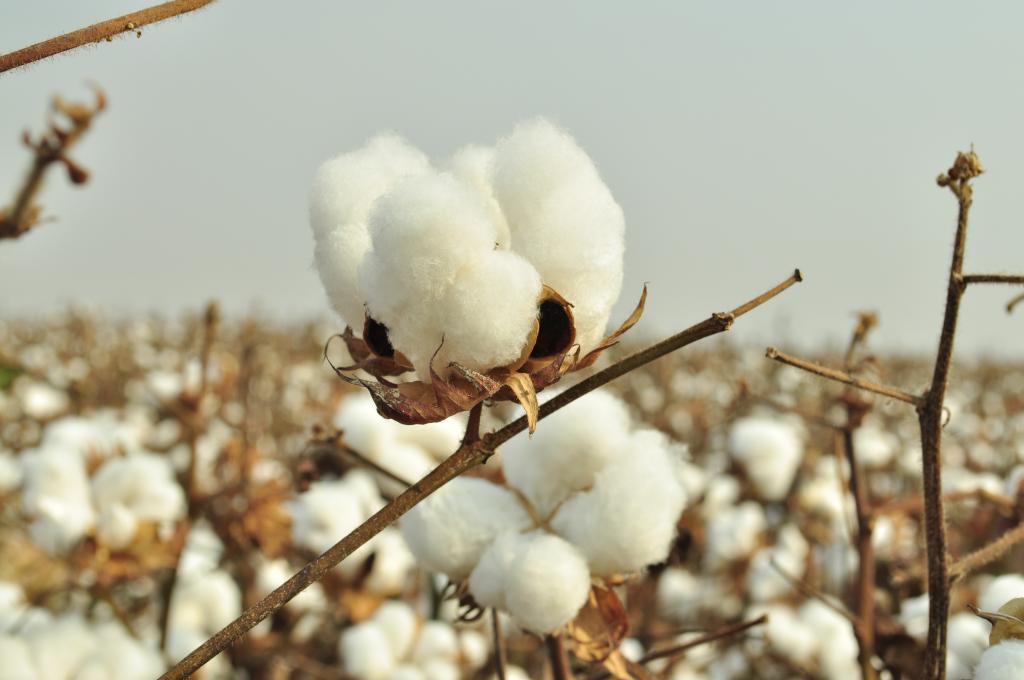
World leader in the production of sustainable cotton licensed by the Better Cotton Initiative (BCI), Brazil increased its participation in the amount of fiber approved by the Swiss NGO from 31% in 2018 to 36% in 2019. The country has been gaining positions since 2013, when the Responsible Brazilian Cotton Program (ABR), of the Brazilian Association of Cotton Producers (Abrapa), began to operate in a benchmark with the BCI, with unified protocols. Currently, 1/3 of all BCI plume circulating on the global market comes from Brazilian crops.
In second place is Pakistan, with 16,1% of global volume, followed by China, in third place, with 15,9% of global market share. The United States, Brazil's main competitor in cotton exports, is in sixth place, with just over 300 thousand tons of BCI licensed lint, corresponding to 5,5% of all sustainable cotton.
“This will certainly be a great differentiator for Brazilian cotton to access new markets and maintain the current ones, at such a challenging time as what the world is going through, especially in the cotton sector”, says the president of Abrapa, Milton Garbugio.
This union between initiatives in the country began in 2013. Since the referenced operation (benchmark), the producer who adheres to the ABR can automatically choose to also be licensed by BCI. Adherence to the programs is voluntary, and, by doing so, the cotton farmer undertakes to comply with a strict protocol.
There are 224 items to be met, just in the diagnostic verification phase that precedes certification. Then, another 178 to complete the process, which culminates in the issuance of the certificate and the consequent issuance of the stamps. This last number corresponds to the sum of the ABR program's sustainability indicators, which are 153, with the 25 BCI requirements.
There are eight criteria observed: employment contract, prohibition of child labor, prohibition of work analogous to slavery or in degrading or unworthy conditions, freedom of union association, prohibition of discrimination against people, safety, occupational health, and work environment, environmental performance and good agricultural practices
The ABR, like the BCI, is based on the progressive increase of good social, environmental and economic practices in cotton production units. They are based on the three pillars of sustainability: environmental, social and economic.
Receive the latest agriculture news by email


Receive the latest agriculture news by email