New rules expand control over biofuels
The approved bill provides for harsher sanctions and resources for sector oversight.
09.04.2026 | 17:31 (UTC -3)
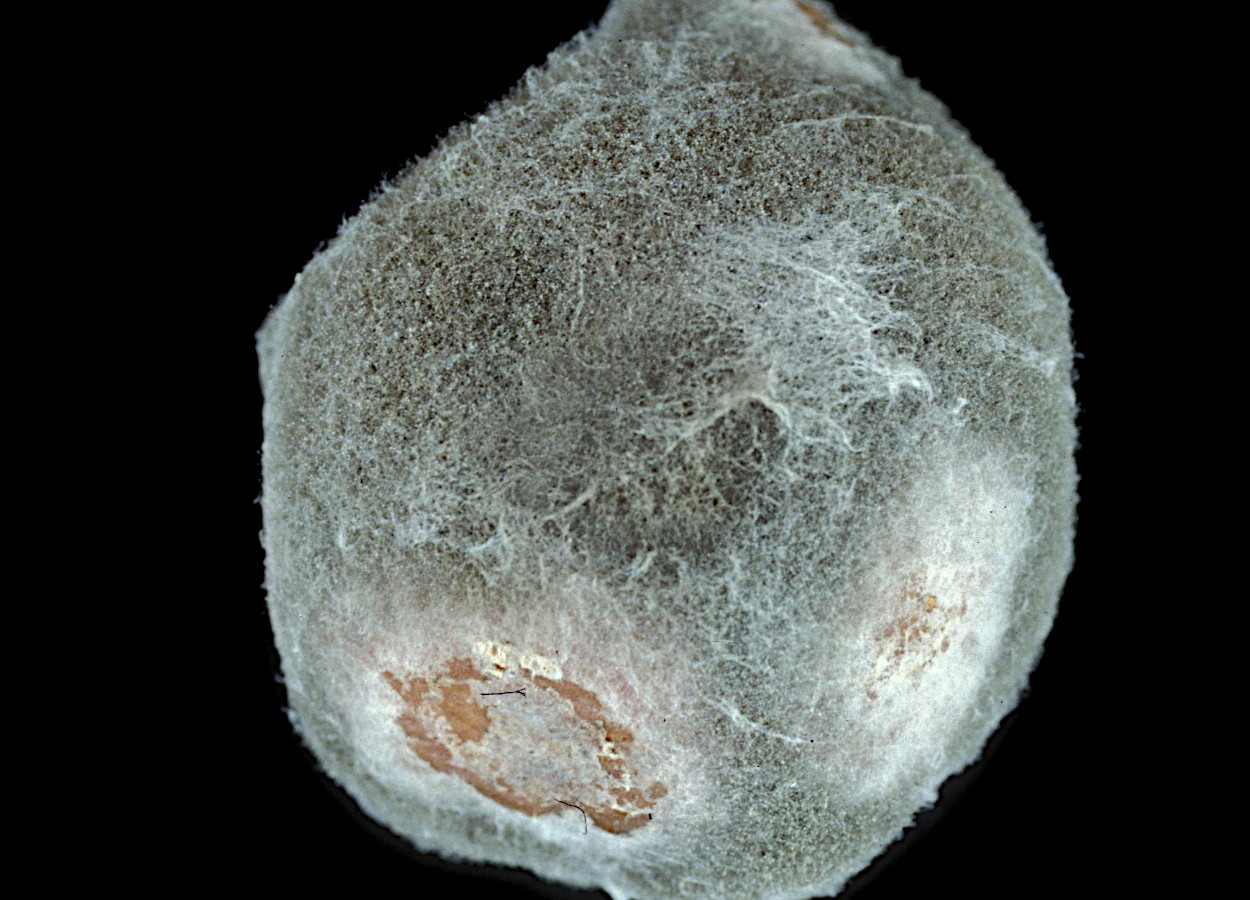
The population of Botrytis cinerea in strawberry-producing areas in China are showing increasing resistance to pyraclostrobin fungicides. A survey of 206 isolates collected between 2024 and 2025 in Xinxiang confirmed resistance in 100% of the samples. The average level of resistance increased during the period. EC50 values rose from 75,31 μg/mL to 85,08 μg/mL. The number of isolates with high resistance also increased.
Molecular analysis identified the G143A mutation in the BcCytb gene as the main mechanism. The gene lost an intron. This event led to the substitution of glycine for alanine at the site of action. The alteration reduced the fungicide's binding affinity to the mitochondrial target. Molecular modeling confirmed a decrease in binding energy.
Resistant isolates also showed increased expression of the BcCytb gene. Expression exceeded levels observed in susceptible isolates by up to 8,5 times. This increase occurred even without exposure to the fungicide. This pattern indicates an additional resistance mechanism.
Biological assays showed adaptive cost. Resistant isolates produced fewer spores. Germination decreased by about 10%. Pathogenicity decreased. Lesions on fruits were up to 50% smaller compared to susceptible isolates. Mycelial growth maintained a variable pattern. Some isolates maintained vigor.
Resistance showed genetic stability. Successive subcultures maintained the resistant phenotype. EC50 values remained high after ten generations without fungicide pressure.
The study also evaluated resistance to other fungicides. There was a positive correlation with procymidone and pyrimethanil. There was no correlation with iprodione, fluazinam, pydiflumetofen, and fludioxonil. The pattern indicates multiple resistance. It does not indicate direct cross-resistance mediated by the same target.
RNA interference showed potential for management. dsRNA targeting the BcCytb gene reduced gene expression. The treatment decreased mycelial growth and sporulation. Sensitivity to pyraclostrobin increased. The EC50 value decreased by approximately 38%. There was no effect on resistance to other fungicides.
The combined use of dsRNA and a low dose of pyraclostrobin increased control. Efficiency reached 22,07%. This value exceeded the calculated theoretical expectation. The result indicates a synergistic effect. The mechanism involves suppression of the pathogen's compensatory response to the fungicide.
Further information at doi.org/10.1016/j.pestbp.2026.107105
Receive the latest agriculture news by email


Receive the latest agriculture news by email