SC Harvest 2025/26: Drop in rice prices worries producers
Epagri's report indicates a decline in planted area and productivity, while corn advances and apples are expected to see a strong recovery.
18.11.2025 | 17:40 (UTC -3)
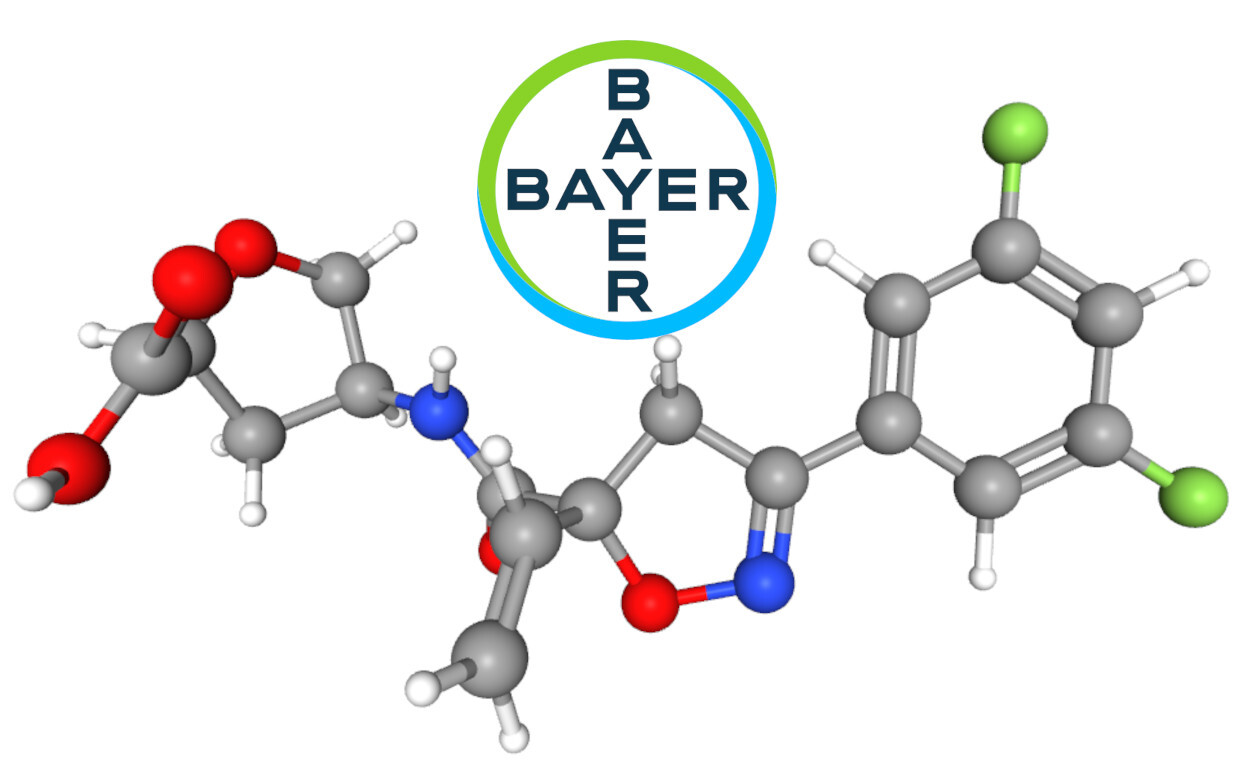
Bayer has announced plans to launch a herbicide containing the molecule. Icafolin-methyl In Brazil in 2028, the first market to receive this technology. The product represents the first active ingredient with a new mechanism of action for post-emergence weed control in over 30 years.
The formulation will initially be used on crops such as cereals, legumes, oilseeds, grapes, citrus fruits, and stone fruits. The molecule combats weeds resistant to glyphosate and other herbicides, including species with multiple resistances and that are difficult to control.
Icafolin has been reclassified to HRAC Group 23, which groups herbicides by mechanism of action. The product works by inhibiting the organization of weed microtubules, paralyzing their growth. This interruption eliminates competition with agricultural crops shortly after application.
The remains of the treated plants stay in the field, forming a cover that reduces erosion and helps retain soil moisture. The herbicide has residual action and could be a tool against resistance pressure in the field.
Bayer also highlights the benefits of Icafolin-methyl for regenerative agriculture practices. The molecule promotes no-till farming, protects the soil, contributes to carbon sequestration, and supports more sustainable production systems.
This will be the first product developed using the CropKey approach. Bayer's platform considers multiple dimensions to accelerate the creation of effective, safe, and sustainable molecules.
Receive the latest agriculture news by email


Receive the latest agriculture news by email