Research identifies genes linked to Spodoptera exigua's tolerance to insecticides
Study identifies three genes associated with reduced susceptibility to cyantraniliprole and chlorantraniliprole.
01.11.2026 | 09:36 (UTC -3)
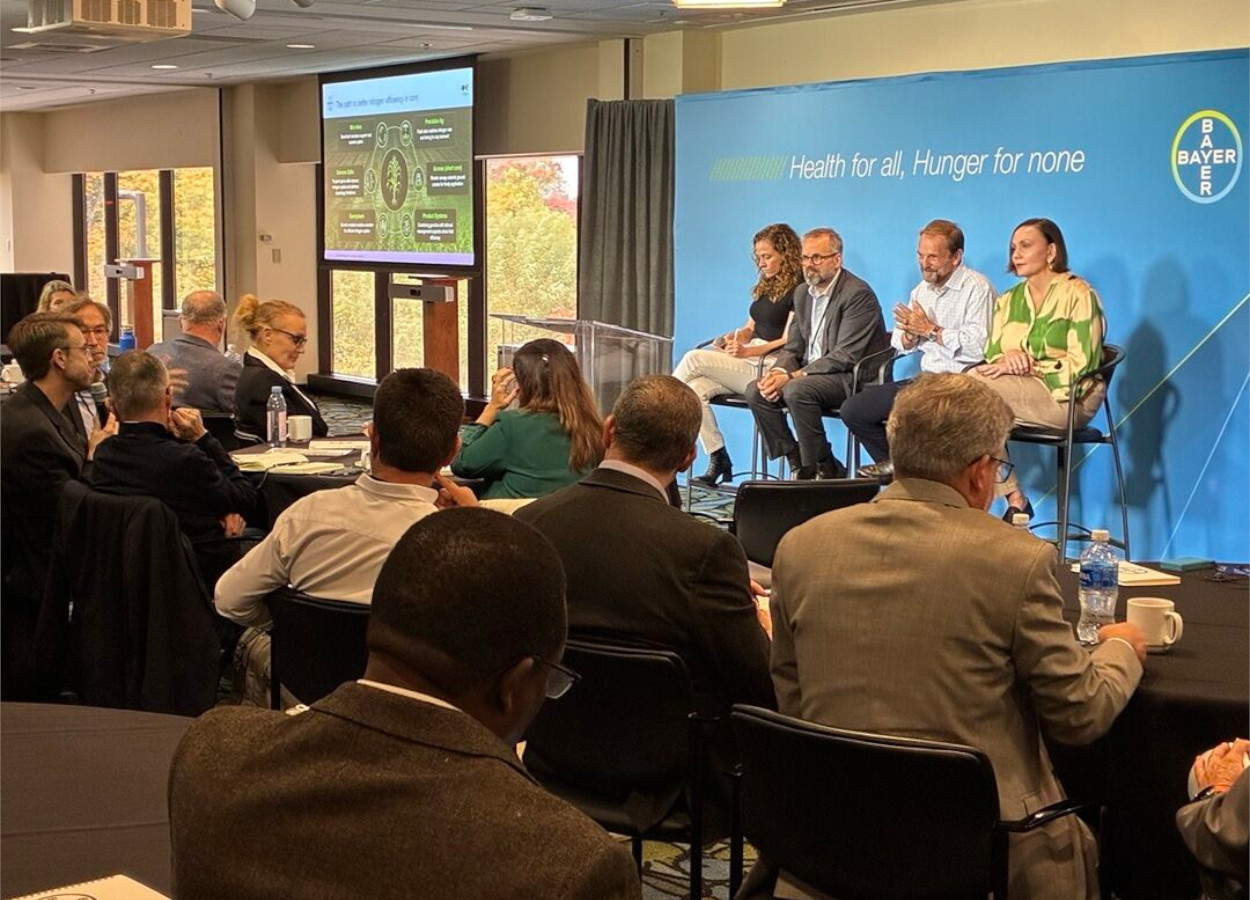
Bayer has exercised its commercial license option for a biological nitrogen fixation technology developed by the University of California, Davis (UC Davis) in the United States. The company will focus initial development on corn, rice, and wheat crops. The initiative aims to help plants make better use of nitrogen.
The technology uses gene editing in plants to stimulate nitrogen-fixing bacteria that already live naturally around the roots. Researchers at UC Davis demonstrated the approach in rice and wheat.
Mike Graham, global Research and Development leader for Bayer's Crop Science division, presented the initiative during a meeting held in Chesterfield, Missouri, in the United States. The event brought together leaders from the fields of science, agriculture, technology, development, and finance.
According to Graham, the future of nitrogen use in crops will not be defined by a single innovation, but by the integration of different technologies. He cited genome editing, biological products, plant microbiome engineering, and nutritional efficiency as areas to be connected. Biological nitrogen fixation, according to the executive, is one of the promising parts of this scenario.
Graham highlighted the economic importance of nitrogen for agriculture. The nutrient is often among the largest production costs for farmers, which generates economic pressure and uncertainty, especially where access to the input is limited.
The executive stated that he does not foresee a future without fertilizers. Crops will always need nitrogen, and almost half of the world's population now depends on food produced with synthetic fertilizers. For him, the way forward is to help plants make much more efficient use of this resource.
Licensed technology still has a long way to go before generating value in crops. According to Graham, however, the science is promising, and that is precisely why it is worth exploring this frontier. The goal is to offer farmers more options and better results, increase agricultural resilience, and contribute to global food security.
Receive the latest agriculture news by email



Receive the latest agriculture news by email