Azelaic acid reduces Meloidogyne incognita in pepper
The metabolite of Pseudomonas nicosulfuronedens MiC45 caused 84,22% mortality at 500 micrograms per milliliter
08.09.2026 | 07:16 (UTC -3)
Cultivar Magazine
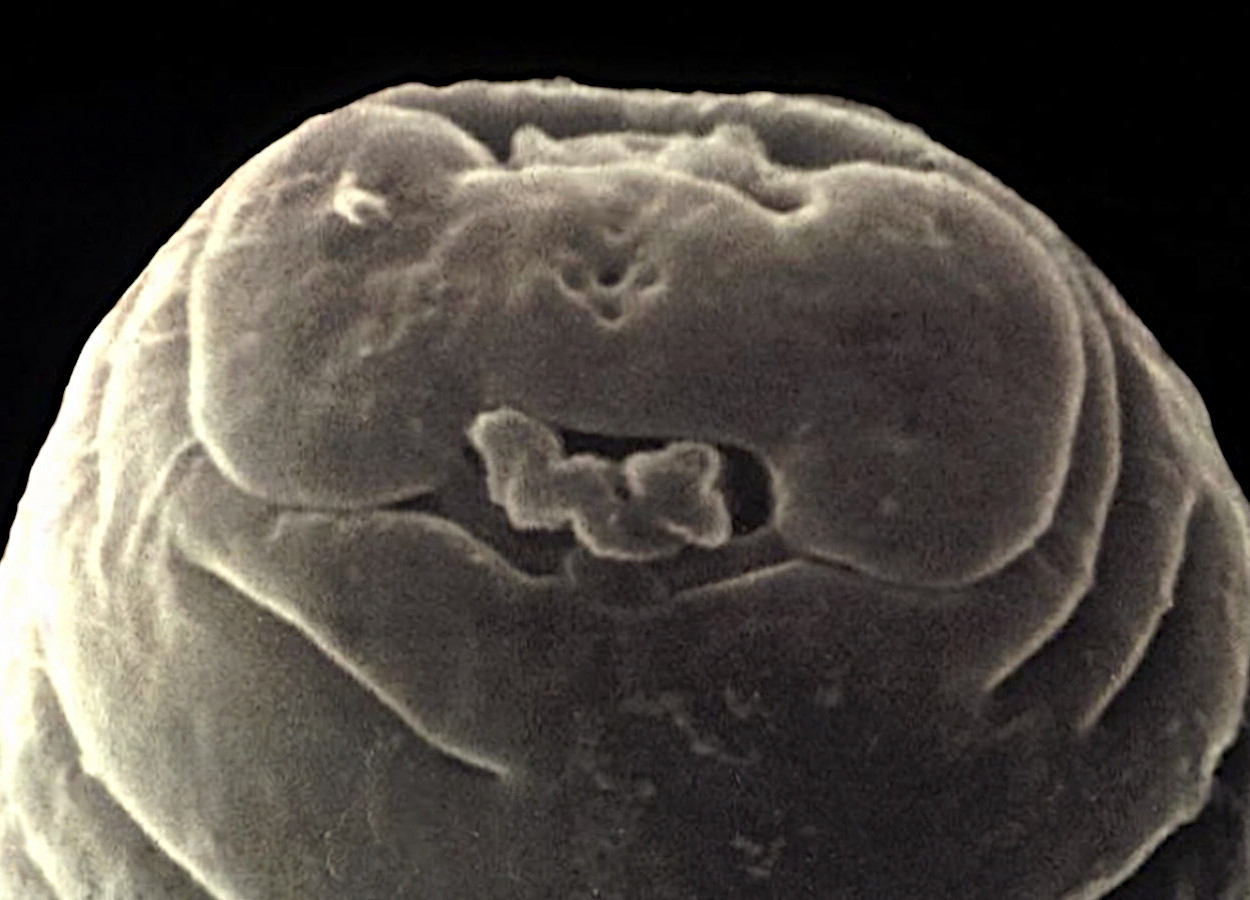
Photo: Jonathan D Eisenback / Virginia Polytechnic Institute and State University - Bugwood
Researchers have identified azelaic acid as the main nematicidal compound produced by the bacterium Pseudomonas nicosulfuronedens MiC45. The metabolite showed activity against Meloidogyne incognita and reduced galls and nematode invasion in susceptible pepper plants.
The team isolated the MiC45 strain from the rhizosphere of healthy peppers grown in nematode-infested areas. Treatment with the bacteria resulted in a corrected mortality rate of 89,54% in second-stage juveniles after 48 hours.
Chromatographic analysis
Analysis by liquid chromatography coupled with mass spectrometry identified azelaic acid in the ethyl acetate fermentation extract. The detected concentration reached 505,73 micrograms per milliliter.
In in vitro tests, azelaic acid showed a dose-dependent lethal effect. A concentration of 500 micrograms per milliliter caused a mortality rate of 84,22%. This result surpassed the positive control with abamectin, which was responsible for 76,75%.
Concentrations starting at 300 micrograms per milliliter also reduced egg hatching. The dose of 500 micrograms per milliliter achieved an inhibition rate of 98,71% after 11 days.
Microscopic analysis
Microscopic analysis showed cuticle damage and ultrastructural changes in the treated nematodes. Azelaic acid also stimulated the formation of reactive oxygen species in a dose-dependent manner.
In vessel experiments, MiC45 fermentation broth and azelaic acid reduced the number of galls and invasion of Meloidogyne incognita. The fermentation broth also increased pepper biomass. The researchers point to potential for the development of new bionematicides (doi 10.1002/ps.71284).